For Onlinecourses55
|
2026-06-03
For Onlinecourses55
|
2026-06-03
Tips for living gluten-free - nutrition celiac
If you're ready to explore tips for a gluten-free life, consider our engaging online course on gluten-free nutrition that provides a wealth of insight for your journey.
Hello everyone! If you are reading this, you are probably considering or already living a gluten-free life. Congratulations! Although it may seem challenging at first, with the right information and a few tricks, I assure you it can be a delicious and transformative experience. Get ready to discover 70 tips that will help you navigate this new world smoothly.
Understanding what gluten is and why some people need to avoid it is the crucial first step. Let's get to it!
Gluten is a protein found in grains such as wheat, barley, and rye. It is what gives dough that characteristic elasticity in bread and other baked goods. Imagine it's like the "glue" that holds everything together. The problem is that, for some people, this "glue" can cause health problems.
Celiac disease is the most widely known reason for avoiding gluten. It is an autoimmune disorder in which gluten damages the small intestine. But it is not the only reason. Many people suffer from non-celiac gluten sensitivity, which can cause symptoms like bloating, fatigue, headaches, and digestive problems, even without intestinal damage. There are even those who find that a gluten-free diet helps them have more energy and feel better overall. Who would have thought that avoiding a simple protein could bring so many benefits?
Now, let's get down to business! Here is a series of practical tips to make your gluten-free diet a complete success.
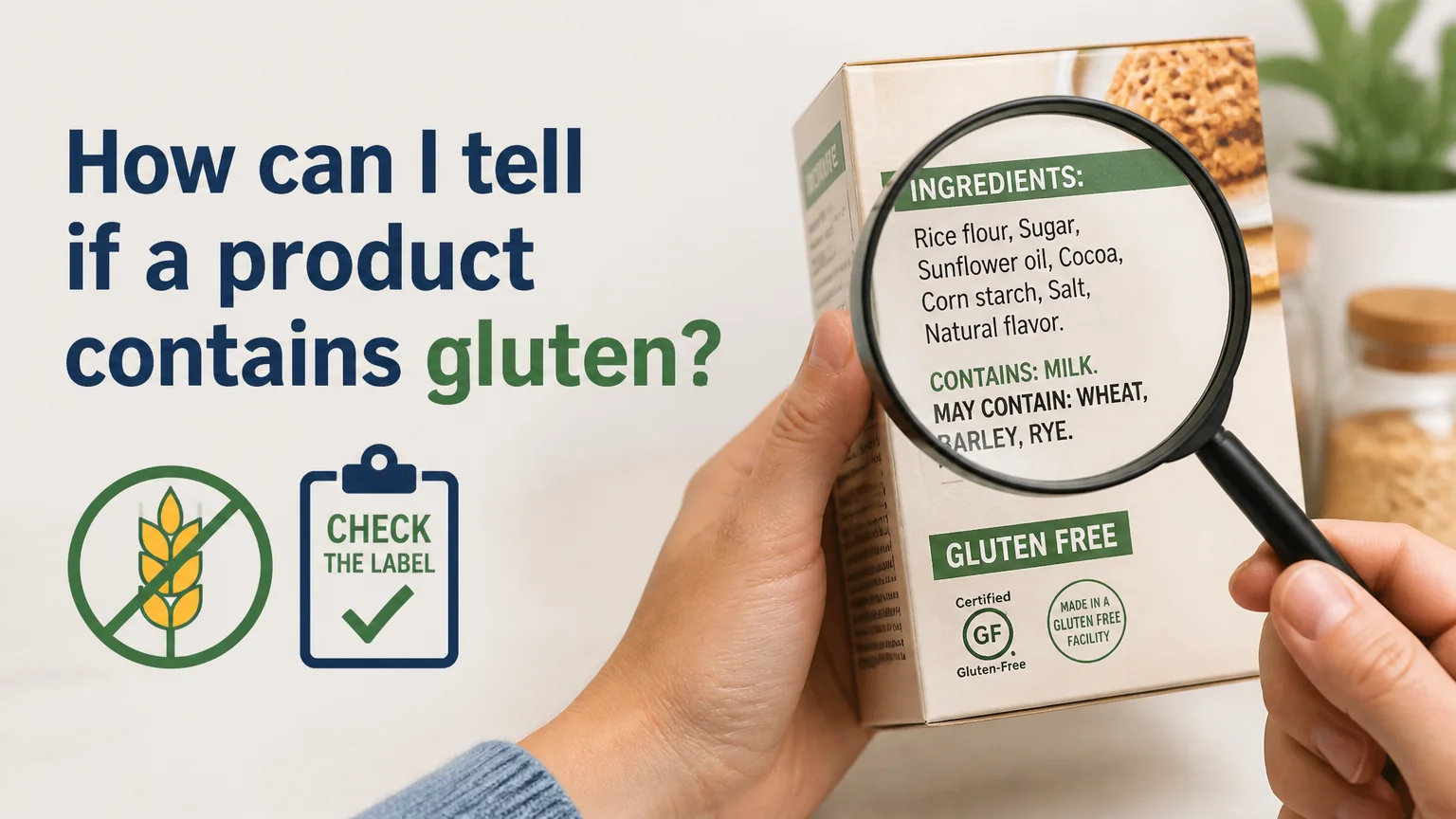
The first commandment of the gluten-free world is: READ THE LABELS! Gluten can hide in the most unexpected places, from soy sauces to canned soups. Look for labels that say "sin gluten" (gluten-free) or "libre de gluten" (free of gluten). But don't rely solely on that. Always check the ingredient list. Pay attention to terms like "wheat," "barley," "rye," "malt," or "modified starch."
Gluten-free cooking doesn't have to be boring. Quite the opposite! It can be an opportunity to explore new flavors and textures.
There are many alternatives to wheat flour: rice flour, almond flour, coconut flour, chickpea flour, tapioca starch, corn flour... The list is endless! Each one has its own characteristics and is better suited for different recipes. Experiment and find your favorites. A tip: blend different flours to get better results in your preparations.
Eating out can be a challenge, but with a little planning, it is totally possible! Call the restaurant in advance to ask if they have gluten-free options and how they prepare the dishes. Explain your needs to the waiter and make sure they understand the importance of avoiding cross-contamination. If you travel, research restaurants and supermarkets with gluten-free options at your destination. Carry some gluten-free snacks with you to avoid temptation.
Not everything is a bed of roses. There are common challenges and problems you should know about so you can handle them properly.
Cross-contamination occurs when a gluten-free food comes into contact with gluten. This can happen in the kitchen if you use the same utensils to prepare both gluten and gluten-free foods, or in a restaurant if they prepare your meal on the same surface where they have been preparing gluten-containing foods. To avoid it, use separate utensils, clean work surfaces thoroughly, and ask restaurants how they prevent cross-contamination.
If you continue to have symptoms despite following a gluten-free diet, it is important to consult your doctor: You might have another condition causing the symptoms, or you might be consuming gluten without realizing it. Carefully review food labels and ensure there is no cross-contamination in your kitchen.
A gluten-free diet can have many benefits for your long-term health.
Some people may need supplements and vitamins to compensate for nutrient deficiencies that a gluten-free diet can cause, especially at the beginning. Consult your doctor so they can recommend the right supplements for you: Iron, calcium, vitamin D, and B vitamins are some of the nutrients you might need.
In addition to improving gut health, a gluten-free diet can help you have more energy, improve your mood, reduce inflammation, and improve the health of your skin. Many people notice a big difference in their overall well-being when eliminating gluten from their diet.
Living gluten-free might seem like a challenge at first, but with these 70 tips, you will be prepared to succeed! Remember to read the labels, cook with fresh and healthy ingredients, and don't be afraid to experiment with new recipes. Enjoy your new gluten-free life and all the benefits it offers! And remember: you are not alone in this! There is a great community ready to support you every step of the way. Go ahead!
Search
Popular searches