For Onlinecourses55
|
2026-03-08
For Onlinecourses55
|
2026-03-08
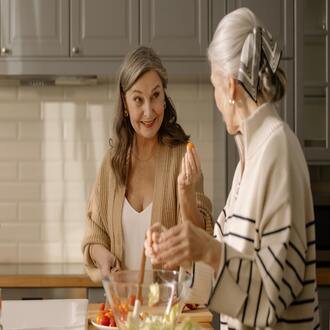
Benefits of proper geriatric nutrition - nutrition geriatrics
As we face new challenges with aging, understanding the importance of good nutrition becomes paramount. Our tailored course on nutrition for seniors offers invaluable insights into enhancing health and vitality.
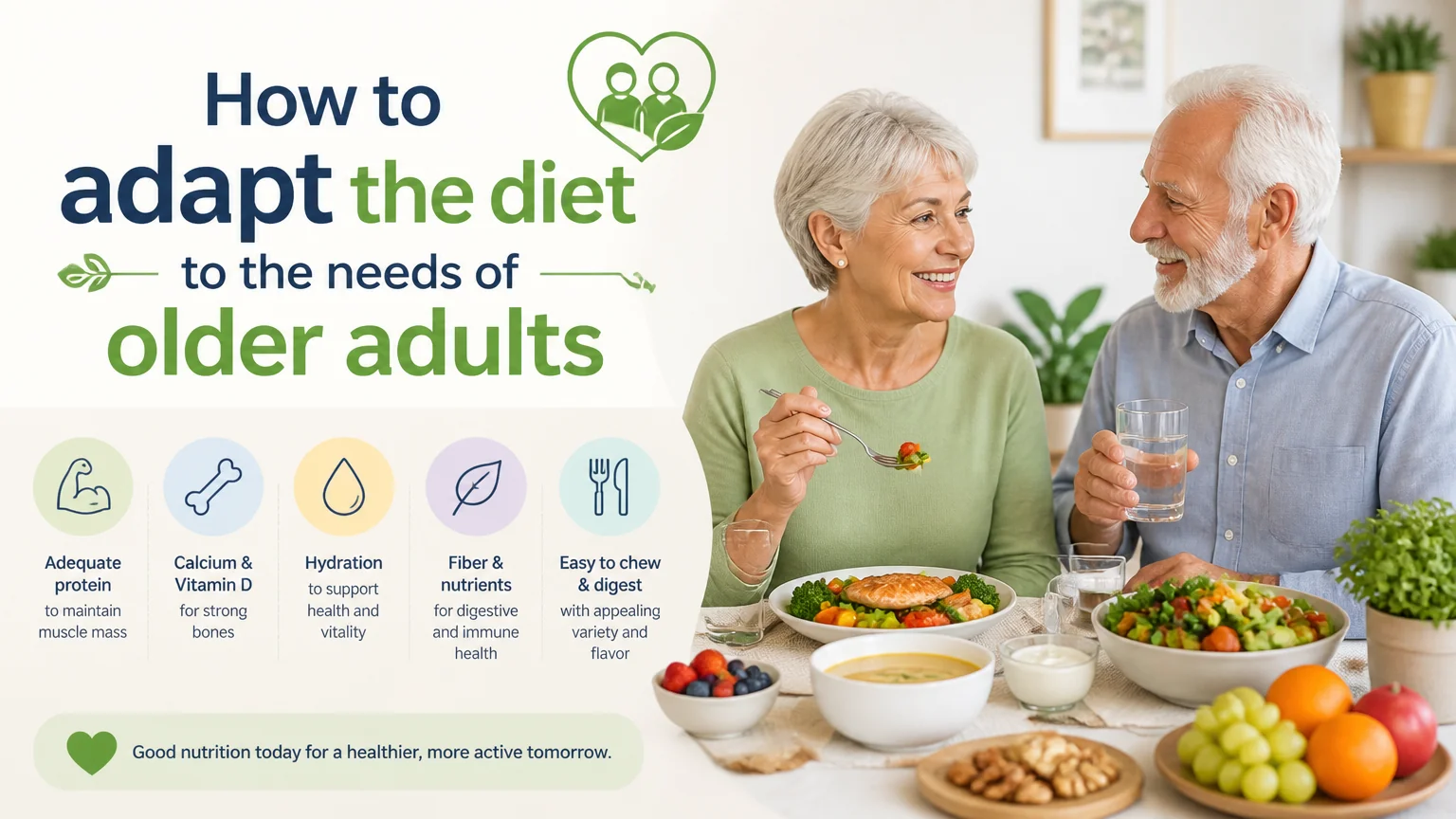
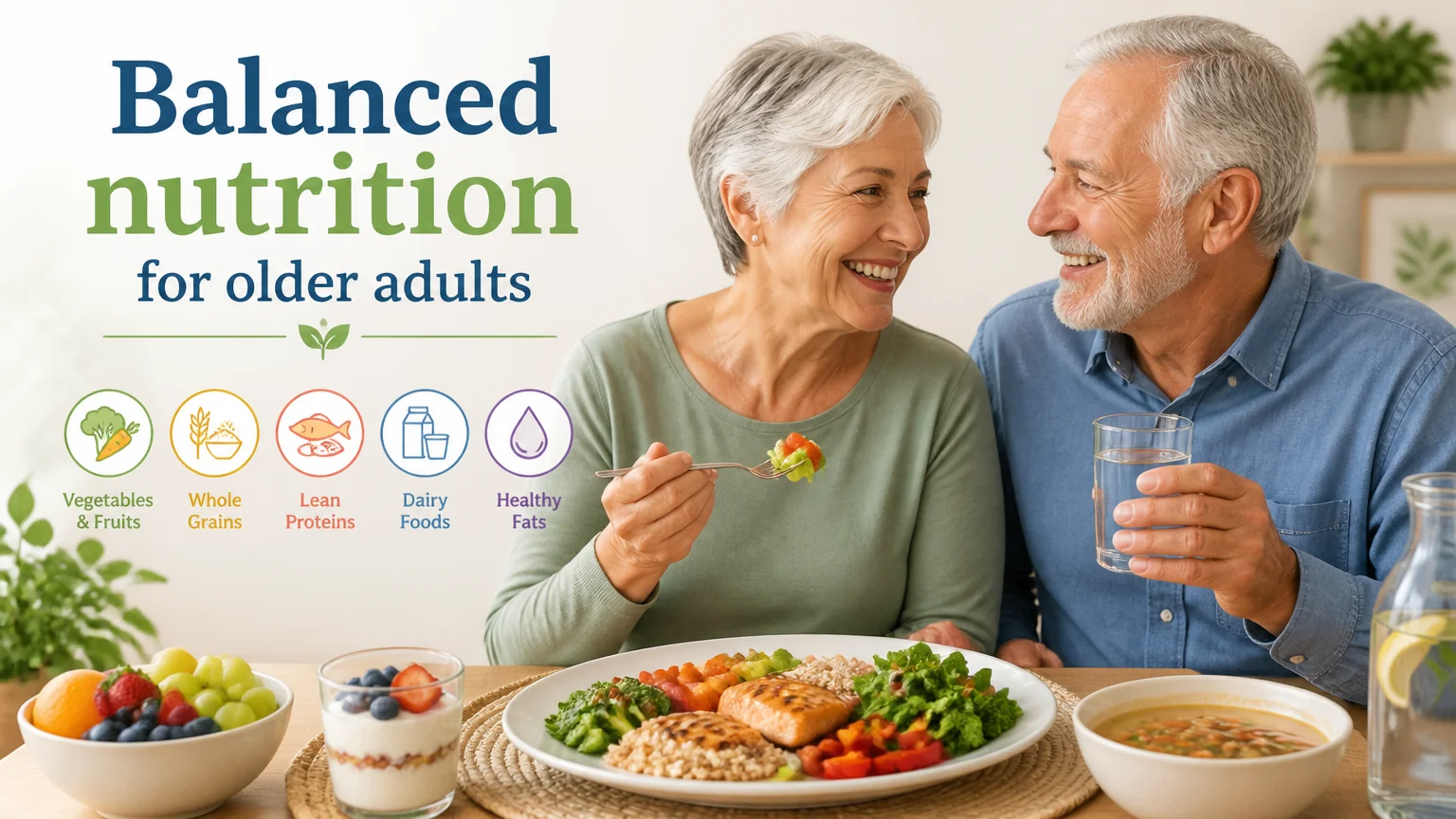
Reaching old age is an achievement, right? But with age, new challenges also arrive. One of the most important is ensuring we are getting adequate nutrition. It's not just eating, it's eating well. Geriatric nutrition, or nutrition for older adults, is not just a "good idea"; it is an absolute necessity to stay active, healthy, and enjoying life to the fullest.
Think of your body as a car. When it is new, you can put any gasoline in it and it works. But as it ages, it needs higher quality fuel and regular maintenance. The same thing happens with our bodies. Over time, our body's ability to absorb nutrients decreases, and certain health conditions may require specific dietary adjustments.
Our bodies change with age. From the decline in the sense of taste and smell, to the reduction in stomach acid production, everything impacts how we absorb and utilize nutrients. Furthermore, chronic medical conditions, medications, and reduced mobility can further complicate the situation.
This is where things get interesting. Adequate nutrition can make a huge difference. Here are 21 benefits that demonstrate why geriatric nutrition is so important:
Worried about memory? A diet rich in antioxidants, omega-3s, and B vitamins can help keep your brain in top shape. Foods like fatty fish, nuts, and leafy green vegetables are your allies.
At this stage of life, a strong immune system is essential. Vitamins C and D, zinc, and probiotics are key to defending against illness. A tip? Consume citrus fruits, yogurt, and supplements if necessary.
Feeling tired all the time? A balanced diet with protein, complex carbohydrates, and healthy fats can give you the boost you need to enjoy your favorite activities.
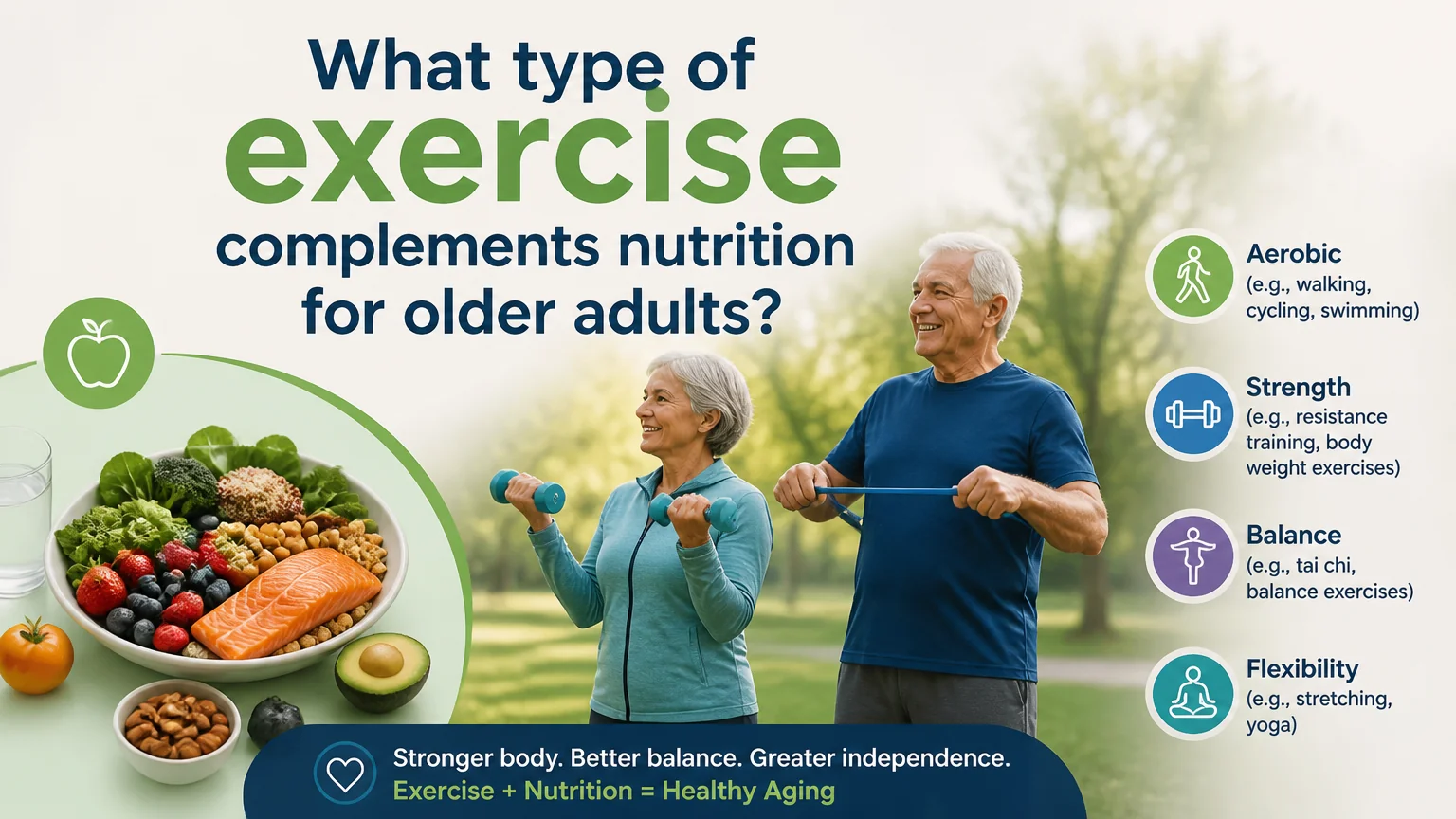
Muscle mass loss (sarcopenia) is common with age, but not inevitable. Adequate protein intake, along with exercise, can help you stay strong.
A healthy diet can significantly reduce the risk of heart disease, type 2 diabetes, and some types of cancer. Avoid processed foods, excess sugar, and saturated fats.
Calcium and vitamin D are crucial for maintaining strong bones and preventing osteoporosis. Dairy, leafy green vegetables, and sun exposure (with caution) are important.
Fiber is your best friend. It helps regulate digestion and prevent constipation. Include fruits, vegetables, and whole grains in your diet.
Maintaining a healthy weight is essential for overall health. A balanced diet and regular exercise will help you control your weight and avoid related problems.
The combination of strong muscles, healthy bones, and good coordination (thanks to good nutrition) can significantly reduce the risk of falls and injuries.
Having trouble sleeping? Certain foods, such as warm milk or cherries, can help promote restful sleep. Avoid caffeine and alcohol before bed.
Dehydration is a common problem in old age. Drink water regularly throughout the day, even if you don't feel thirsty. You can also get fluids from fruits and vegetables.
When you feel good, have more energy, and are healthier, it's easier to maintain your independence and autonomy. Good nutrition helps you keep doing the things you enjoy.
Nutrition not only affects your body but also your mind. A balanced diet can help reduce the risk of depression and anxiety.
Vitamins C and E, as well as zinc, are essential for wound healing. Make sure you get enough of these nutrients if you have an injury.
Good nutrition strengthens your immune system, making you more resistant to infectious diseases.
Healthy fats, antioxidants, and fiber can help keep your heart healthy and prevent cardiovascular diseases.
Adequate hydration and a balanced diet can help maintain kidney function and prevent related problems.
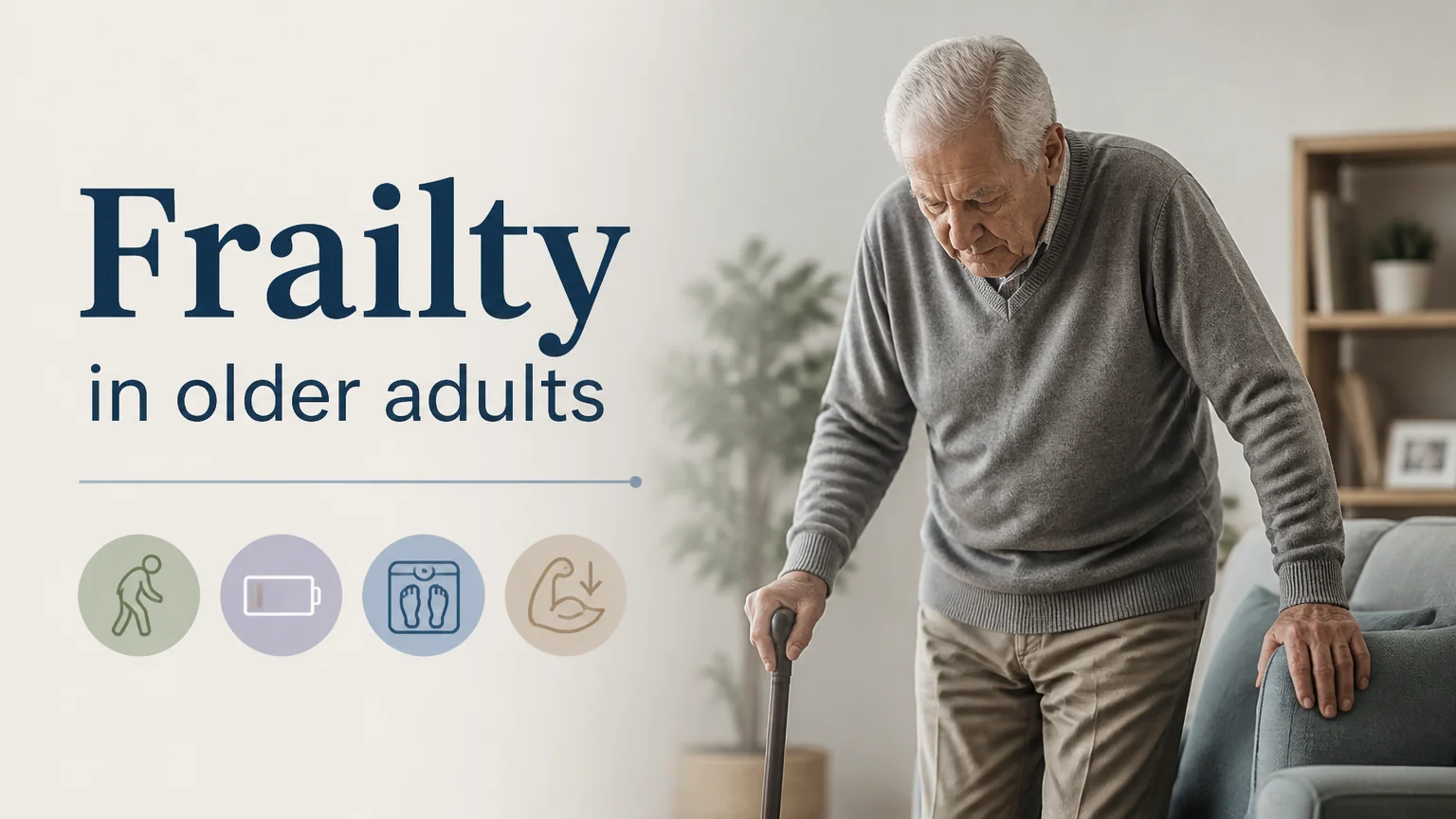
Malnutrition is a serious problem in old age. Ensuring you get enough calories and essential nutrients can prevent it.
In short, good nutrition makes you feel better in every way. You have more energy, you are healthier, and you can enjoy life more.
In some cases, a healthy diet can reduce the need for medications for certain conditions, such as high blood pressure or high cholesterol. Always consult with your doctor before making changes to your medication.
At the end of the day, good nutrition helps you age healthily and enjoy a full and active life.
How can you put all this into practice? Here are some tips:
Plan your meals in advance to ensure you are getting all the nutrients you need. Consider cooking in large quantities and freezing portions to make things easier.
If you have difficulty getting all the nutrients you need from food, consider taking nutritional supplements. Talk to your doctor or dietitian to determine which ones are right for you.
Stay hydrated by drinking water regularly throughout the day. Keep a water bottle handy and take frequent sips.
There are many myths about nutrition in old age. One of the most common is that older adults do not need to eat as much. False! While they may need fewer calories, they still need an adequate amount of nutrients. Another myth is that supplements can replace a healthy diet. That is also not true! Supplements are just that: supplements. They cannot replace the benefits of a balanced diet.
Adequate geriatric nutrition is an investment in your health and well-being. It's not just a matter of eating, but of eating smart. By ensuring you are getting the nutrients you need, you can improve your cognitive function, strengthen your immune system, increase your energy and vitality, and enjoy a full and active life. What are you waiting for to start taking care of yourself? Your body will thank you. Start building a healthier and happier future today!
Search
Popular searches