ForOnlinecourses55
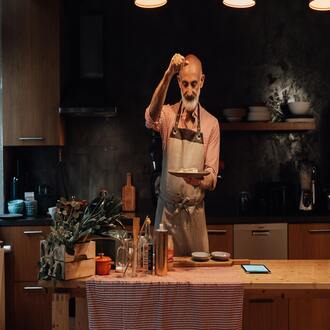
How can i help an older adult enjoy food despite limitations? - nutrition geriatrics
As we age, our relationship with food changes. Have you stopped to think about it? What was once a simple pleasure can become a complex challenge. Older adults often face limitations that make it difficult to enjoy a good meal. From health problems to a diminished sense of taste, the obstacles are numerous. But don't despair! There are practical and loving strategies that can turn mealtimes into a pleasant and nutritious experience. Join me on this journey to discover how we can improve the quality of life of our loved ones through nutrition.
Before looking for solutions, it is essential to understand what is happening in the body of an older adult. It is not simply that “they no longer like to eat.” There are real and significant changes that influence their appetite and ability to enjoy food.
Have you ever eaten something with a stuffy nose? It's incredible how the sense of smell enhances flavor! With age, taste buds diminish and the sense of smell deteriorates. This means that flavors become less intense, and food can seem bland. Imagine always eating with a cold; this is often how it feels.
Dental issues, such as tooth loss, poorly fitted dentures, or dental sensitivity, can make chewing painful and difficult. Who would want to eat if every bite is torture? This affects not only food intake but also food choices. Goodbye to fibrous meats and raw vegetables, hello to soft foods!
Metabolism slows down with age, and so does digestion. This can lead to feelings of heaviness, bloating, and lack of appetite. Furthermore, the body needs fewer calories, which can result in the older adult feeling less hungry. It's as if their body is telling them: “I don't need that much fuel anymore!”
Every person is unique, and the limitations of an older adult can vary enormously. It is crucial to be observant and empathetic to identify the specific problems they face.
Illnesses such as diabetes, Parkinson’s disease, Alzheimer’s, cancer, and heart disease can affect appetite and the ability to eat. Some diseases interfere directly with the digestive system, while others can cause fatigue and depression, decreasing interest in food.
Many common medications for older adults have side effects that impact nutrition. Some can cause dry mouth, alter taste, provoke nausea, or decrease appetite. It is important to review the list of medications with a doctor to identify possible culprits.
Difficulty going to the supermarket, cooking, or even holding utensils can be a significant barrier to good nutrition. Loneliness also plays a crucial role; cooking for oneself can seem like an overwhelming task.
Now we get to the fun part! There are many things we can do to help older adults enjoy food, despite the limitations.
Sometimes, the key is texture. Adapting the consistency of foods can make them easier to eat and digest.
Vegetable purees, legume creams, and creamy soups are excellent options for those who have difficulty chewing. They are nutritious, easy to swallow, and can be delicious. Don't think of baby food! With the right ingredients, they can be gourmet dishes.
Opt for soft foods such as steamed fish, shredded chicken, scrambled eggs, avocado, and soft fruits like banana or melon. Make sure the food is well cooked so it is easier to chew.
If taste and smell are diminished, we need to give them a boost! Use herbs, spices, and other ingredients to intensify the flavor and aroma of the foods.
Fresh herbs like parsley, cilantro, and basil can add a touch of freshness to dishes. Spices like cumin, paprika, and curry can awaken the palate. Experiment and discover which flavors the older adult likes best!
A good homemade broth can work wonders. It provides flavor, moisture, and nutrients. Homemade sauces, such as a natural tomato sauce or a yogurt sauce with herbs, can add a special touch to the dishes.
Food is not just about what we eat, but also how we eat it. Creating a pleasant environment can make a huge difference.
Play soft music that the older adult likes. Music can relax and stimulate the appetite. And, most importantly, eat with them! Company can make mealtime more social and less lonely.
We eat with our eyes! Present the dishes attractively, with varied colors and textures. A well-presented dish can awaken the appetite and make the food more appealing.
Meal preparation can be a challenge, but with some practical tips, you can simplify the process and make it more efficient.
You don't need complicated recipes. Opt for simple recipes with few ingredients and steps. The easier the recipe, the more likely you are to prepare it.
Preparing large quantities of food can be overwhelming. Cook only what you need for one or two meals. If there are leftovers, freeze individual portions to have them ready for another day.
If the older adult has difficulty holding utensils, consider using adapted utensils with larger, ergonomic handles. You can also use plates with raised edges to facilitate feeding.
Dehydration is a common problem in older adults. Make sure they are drinking enough fluids throughout the day.
Don't limit yourself to water. Offer nutritious and flavorful drinks like natural fruit juices, vegetable smoothies, herbal teas, and light broths.
Sometimes, thirst is not a reliable signal in older adults. Offer fluids regularly, even if they are not thirsty. Always keep a water bottle handy and encourage the older adult to drink often.
Involving the older adult in the eating process can increase their interest and appetite.
If possible, invite the older adult to participate in food preparation. They can help wash vegetables, mix ingredients, or set the table.
Give the older adult the opportunity to choose what they want to eat. Offer options and allow them to decide. Feeling in control can increase their motivation to eat.
Do not hesitate to seek professional help if you have difficulty improving the nutrition of the older adult.
A dietitian or nutritionist can evaluate the nutritional needs of the older adult and design a personalized meal plan.
A doctor can identify underlying health problems that affect eating. an occupational therapist can help adapt the environment and utensils to facilitate feeding.
Food not only nourishes the body but also the soul. For many older adults, food is linked to memories, emotions, and traditions.
Loneliness can diminish appetite and interest in food. Encourage the older adult to eat with other people, whether family, friends, or fellow residents.
Family meals are an opportunity to celebrate traditions and create memories. Prepare dishes that hold special meaning for the older adult and share stories while eating.
Helping an older adult enjoy food despite limitations requires a comprehensive approach. It’s not just about adapting textures and enhancing flavor, but also about creating a pleasant environment, encouraging active participation, and addressing emotional needs. Remember that every small gesture counts. With patience, empathy, and love, we can make mealtime a pleasant and nutritious experience for our loved ones.
Try offering small, frequent meals instead of three large ones. Make sure the environment is pleasant and relaxed. Consider speaking with a doctor to rule out underlying health problems or medication side effects.
Opt for soft foods, purees, and creams. Avoid dry, sticky, or fibrous foods. Consider adding thickeners to liquids to facilitate swallowing. Consult a speech therapist for specific recommendations.
Spices: such as cumin, paprika, curry, ginger, and garlic can stimulate appetite and add flavor to food. Use fresh herbs like parsley, cilantro, and basil to give a touch of freshness.
Absolutely! We eat with our eyes. Present the dishes attractively, with varied colors and textures. A well-presented dish can awaken the appetite and make the food more appealing.
Consult with a dietitian or nutritionist to evaluate the older adult's nutritional needs and design a personalized meal plan. Be sure to offer a variety of nutritious foods and consider vitamin supplements if necessary.