For Onlinecourses55
|
2026-01-18
For Onlinecourses55
|
2026-01-18

What warning signs indicate that an older adult needs nutritional support? - nutrition geriatrics
Maintaining health in later life is paramount, and taking a closer look at how to enhance your dietary habits can be enlightening. Discover more by joining an insightful program dedicated to the dietary requirements of older adults that ensures you enjoy your golden years to the fullest.
Reaching the third age is a privilege—a true celebration of life! But, like everything in life, it comes with its own challenges. One of the most important, and often underestimated, is nutrition. It is crucial to understand that good eating habits are not a luxury, but a fundamental necessity for maintaining health, energy, and quality of life in the golden years. Have you ever wondered why your grandparent doesn't seem to have the same energy as before? It might be a nutrition issue.
As we age, our bodies change. They no longer function exactly as they did at 20 or 30. Nutritional needs also evolve. What was once sufficient may no longer be enough. Proper nutrition plays a vital role in many aspects of older adults' health:
Think of nutrition as the fuel that powers your car. If you don't put in the right gasoline, it won't function properly. The same goes for our body. A balanced diet provides the necessary energy to perform daily activities, from walking to reading a good book.
Osteoporosis and sarcopenia (loss of muscle mass) are common problems in the third age. Good nutrition, rich in calcium, Vitamin D, and protein, can help prevent or delay these issues, keeping bones strong and muscles fit.
As we age, our immune system weakens, making us more susceptible to infections. A diet rich in vitamins, minerals, and antioxidants can strengthen the immune system and protect us from illnesses.
Now, how do you know if an older adult needs nutritional support? Here are some warning signs you should look out for:
If an older adult loses weight without making any changes to their diet or lifestyle, it is a warning sign. This could indicate an underlying health issue or a nutritional deficiency. Imagine if your favorite plant suddenly started losing leaves for no apparent reason. You would definitely pay attention!
Was your grandmother always a hearty eater, and now she barely touches her food? Lack of appetite can be a symptom of depression, medication side effects, or simply a decrease in the sense of taste and smell.
If an older adult feels tired and weak all the time, even after rest, it could be a sign of iron, Vitamin B12, or protein deficiency.
Dental issues, such as tooth loss or ill-fitting dentures, can make chewing food difficult, leading to lower nutritional intake. If you can't chew well, it's like trying to run with your shoelaces tied together!
Malnutrition can affect the brain and cause mood changes, such as irritability, depression, and confusion. A well-nourished brain is a happy brain.
A low-fiber diet, lack of hydration, or medication side effects can cause digestive issues. A happy digestive system is key for good nutrient absorption.
If wounds take a long time to heal, it could be a sign of protein, Vitamin C, or zinc deficiency. Wound healing requires essential nutrients.
A diet deficient in vitamins and minerals can affect skin and hair health. Radiant skin and strong hair are a reflection of good internal nutrition.
It is important to understand what factors can contribute to malnutrition in older adults.
Loneliness can lead to depression and a lack of motivation to cook and eat properly. Sharing a meal with someone is much more appealing than eating alone.
Chronic illnesses, such as diabetes, heart disease, and cancer, can affect appetite and the body's ability to absorb nutrients.
Many medications have side effects that can affect appetite, taste, or digestion.
Older adults with low incomes may struggle to afford nutritious food.
If you have spotted any of these signs in an older adult you know, don't stand idly by! Here are some steps you can take:
The first thing you should do is consult a doctor or a nutritionist. They can assess the older adult's nutritional status and recommend an appropriate treatment plan.
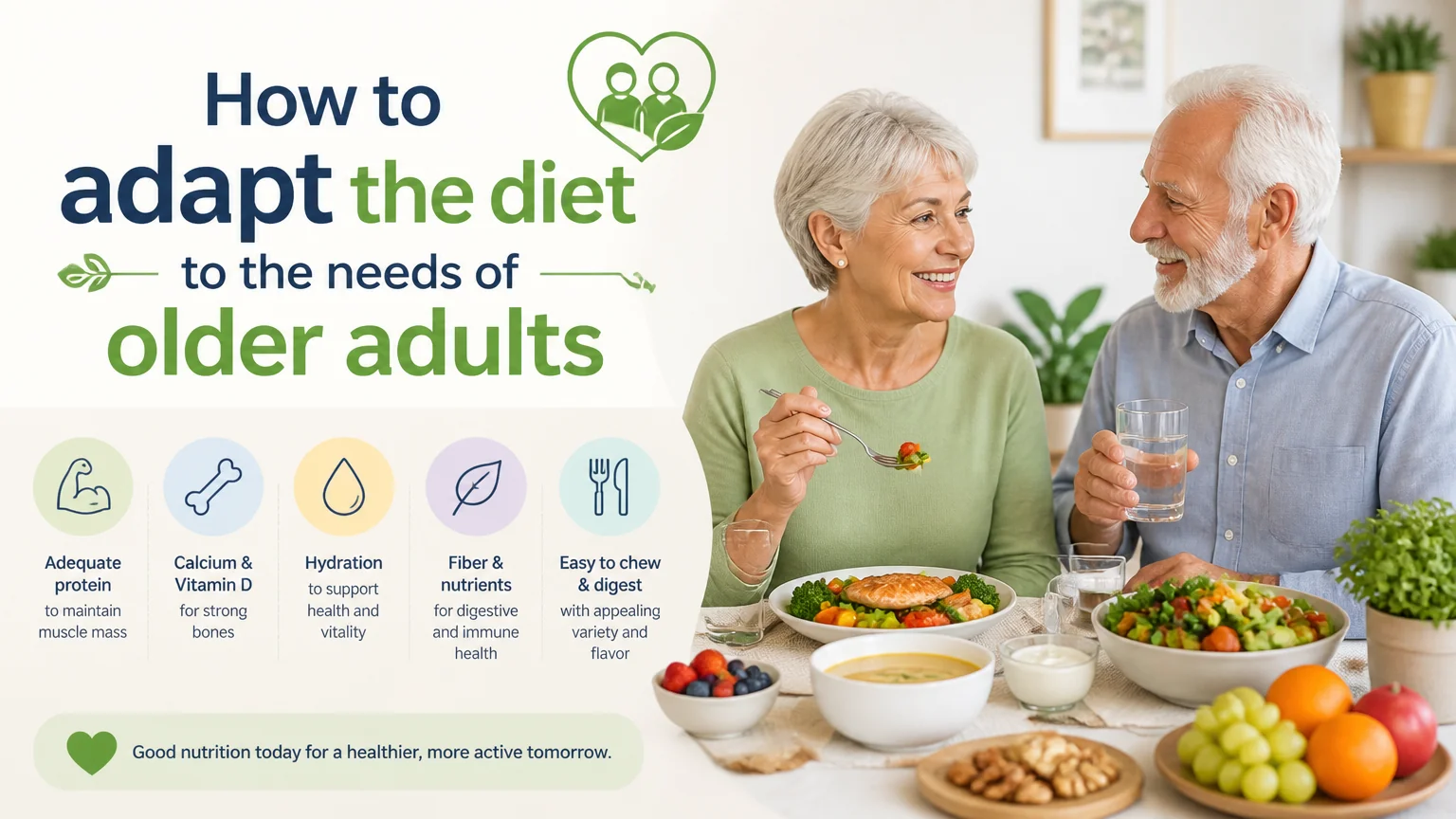
Work with a nutritionist to adapt the older adult's diet to their specific needs. This may include increasing the intake of protein, fiber, vitamins, and minerals. Make it easy to follow and appealing.
In some cases, nutritional supplements may be necessary to correct deficiencies. However, it is important to consult a doctor before taking any supplement, as some may interact with medications. Think of supplements as a complement, not a substitute for a balanced diet.
Encourage the older adult to socialize and participate in activities they enjoy. Emotional support can make a big difference in their appetite and overall well-being.
Nutrition is a fundamental pillar for healthy and happy aging. Paying attention to warning signs, addressing factors that contribute to malnutrition, and seeking professional help when necessary can make a huge difference in the quality of life of older adults. Remember, investing in the nutrition of our elders is investing in their well-being and happiness! It's not just about adding years to life, but life to the years!
Foods rich in protein (lean meat, fish, eggs, legumes), calcium (dairy, leafy green vegetables), Vitamin D (fatty fish, eggs), fiber (fruits, vegetables, whole grains), and antioxidants (colorful fruits and vegetables) are especially important.
Offer small, frequent meals instead of three large ones. Make the food attractive and flavorful. Consider adding spices and aromatic herbs to stimulate the appetite. Ask what foods they like and prepare them in a way they find enjoyable.
Consider options such as home meal delivery services, food assistance programs for older adults, or hiring a caregiver who can prepare meals.
In general, nutritional supplements are safe if taken under the supervision of a doctor or nutritionist. It is important to avoid taking excessive doses, as some supplements can be toxic.
You can find resources at your local health center, organizations for older adults, government agencies, and online through reliable health websites. Ask your doctor or nutritionist for specific recommendations.
Search
Popular searches