ForOnlinecourses55

How to choose the best personal trainer for your goals? - personal trainer
Choosing the right person to guide you through your training can make the difference between hitting a plateau and consistently and confidently reaching your goals. There are many trainers with great marketing, but the key is to find someone who understands your real needs, knows how to adapt methods, and motivates you in the long term. Below are practical criteria and concrete steps to evaluate your options and make an informed decision.
Before looking for options, take the time to specify what you want to achieve: lose fat, gain muscle mass, improve endurance, regain mobility after an injury, or prepare for a competition. A clear goal guides your choice of trainer, because not all trainers have the same specialization or use the same methods. Also consider the timeframe (short, medium, long) and how you’ll measure progress (measurements, photos, performance tests, overall feeling).
A good certification doesn’t guarantee results, but it does indicate that the trainer understands the fundamentals of anatomy, physiology, and training programming. In addition to credentials, consider practical experience: Have they worked with people who had goals similar to yours? Do they have verifiable testimonials or success stories? If your goal is to rehabilitate an injury or manage a medical condition, prioritize someone with training in that field or who collaborates with healthcare professionals.
Some trainers prioritize weightlifting and progressive loading; others incorporate mobility, metabolic work, and nutritional habits. Ask about their approach and why they recommend it. A good professional explains the logic behind their methods and tailors the plan to the individual rather than applying generic templates. They also value evidence: a solid trainer can justify why a specific strategy works for certain goals.
The first session should include an assessment: history, mobility, strength, simple tests, and goal setting. If the trainer skips this phase and starts with random routines, that’s a red flag. A serious plan includes regular follow-ups, progress reviews, and adjustments when there’s no progress or when unforeseen issues arise. Ask how often they’ll review your plan and how results will be tracked.
The relationship with the trainer is interpersonal: clear communication and the ability to motivate you are key. Some clients need tougher, more direct support; others, an empathetic and patient approach. Look for someone whose communication style suits you. Additionally, availability and responsiveness to questions between sessions influence adherence. An effective trainer answers your questions and gives you constructive feedback.
An excellent plan fails if it doesn’t fit your life. Consider the trainer’s location, schedule flexibility, equipment availability, and whether they offer online or in-person options. Also evaluate whether the trainer works at a gym with many clients or provides one-on-one attention. Consistency is easier when sessions are easy to schedule and resources (programs, apps, routines) are easy to follow from home if necessary.
Prices vary widely depending on experience, location, and included services. More expensive isn’t always better, but be wary of extremely low prices. Consider what’s included: number of sessions, weekly planning, nutrition consultations, follow-up between sessions, and access to materials. Compare based on specific services and ask about mid-term packages, which are often more effective for seeing results.
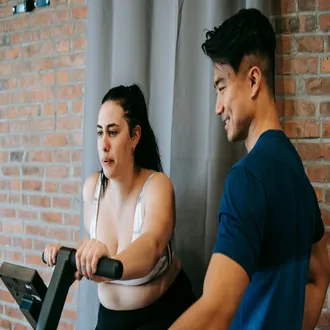
Request a trial session or a short initial plan. During that first interaction, you’ll observe how they work, their level of attention, and whether they adapt the exercises to your level. Take the opportunity to evaluate their technique, safety, and whether they care about your well-being during the session. A trial also helps you gauge personal compatibility: if there’s no chemistry, it’s better to look for another option before investing time and money.
Choosing the right trainer takes time and clear criteria: define your goals, verify their training and experience, assess their philosophy and communication style, review the logistics and cost, and try it out before committing. With patience and an honest evaluation, you’ll be able to find someone who not only guides you technically but also motivates you and supports you throughout the process until you reach your goals.