For Onlinecourses55
|
2026-10-12
For Onlinecourses55
|
2026-10-12
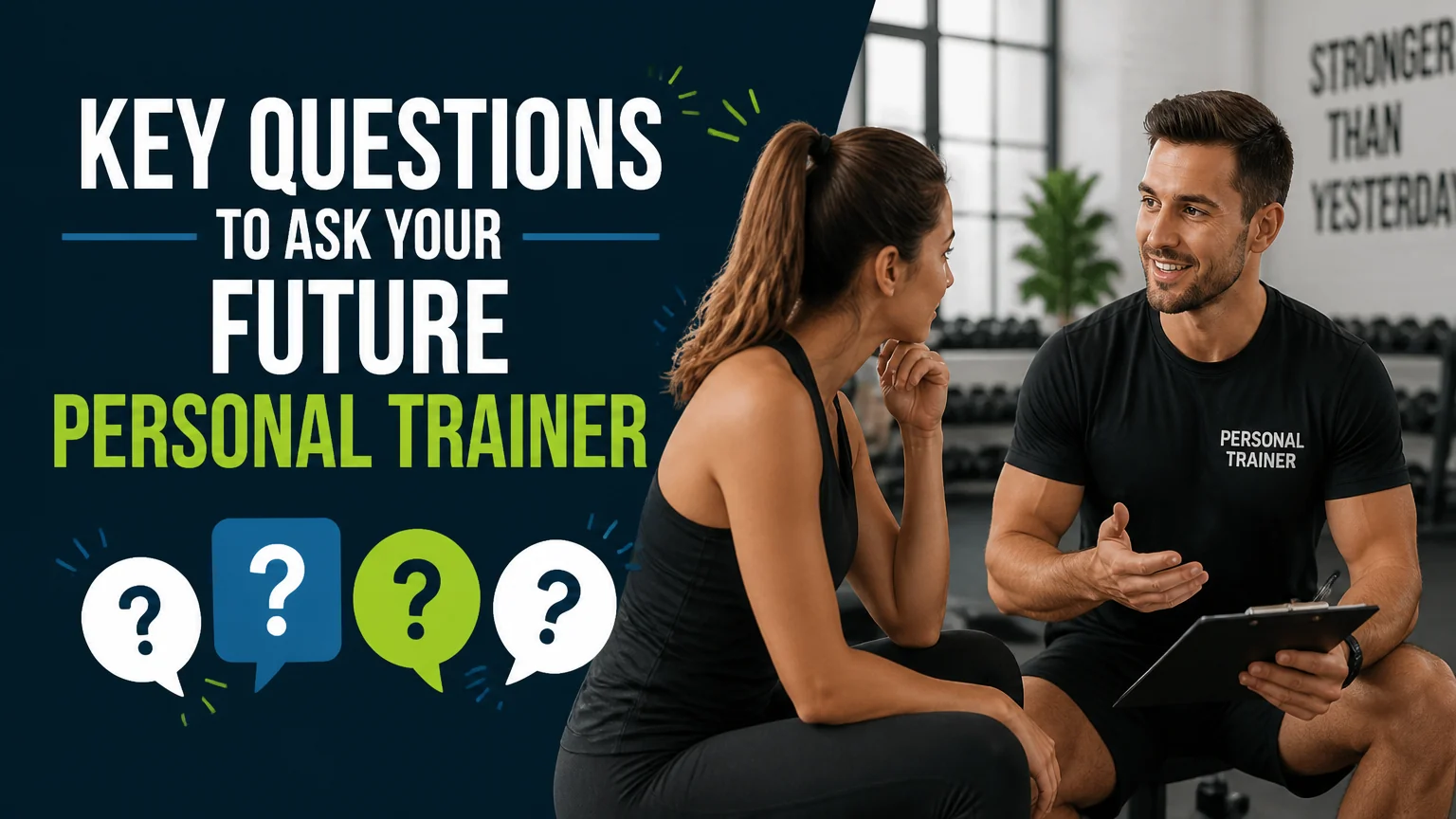
Key questions to ask your future personal trainer - personal trainer
Before finalizing your commitment with a fitness coach, equip yourself with valuable insights from a comprehensive training course for aspiring coaches that empowers your decision-making.
Hiring someone to guide you through your physical improvement journey is a major decision. Before signing a contract or making a payment, it’s wise to ask a series of questions that will help you assess whether that person understands your goals, has the right training, and can adapt to your needs. Below, you’ll find sections with key questions and explanations to help you make an informed decision, communicate your expectations, and avoid misunderstandings from the start.
Asking questions isn’t just a formality—it’s a tool to protect your time, your health, and your investment. A good professional will appreciate your inquiries, respond clearly, and propose a realistic plan. Conversely, someone who answers vaguely or evasively may not offer the quality you’re looking for. Additionally, asking questions allows you to gauge the professional’s empathy, teaching approach, and ability to adapt to your situation.
Knowing the professional’s background and credentials gives you peace of mind. It’s not just about diplomas, but also about practical experience with cases similar to yours.
In addition to their answers, see if they can provide references, testimonials, or case studies. Practical experience and ongoing training are usually indicators of a serious professional.
Understanding how they work helps you avoid surprises. Some professionals prioritize gym-based training, others combine strength and mobility, and some emphasize the psychological aspect or nutrition. It’s key that their approach aligns with what you’re looking for.
Look for specific answers: examples of periodization, criteria for increasing the load, or indicators used to decide on changes. Clarity in methodology is often synonymous with professionalism.
A good process begins with an assessment and ends with consistent follow-up. It’s important to know how they’ll define your goals and how they’ll measure progress.
Planning should be flexible and data-driven. Ask for examples of monthly or quarterly plans and how they document progress. Also, establish upfront the frequency of communication and which channels you’ll use to address questions.
Your well-being comes first. Make sure the professional prioritizes injury prevention and has clear protocols in place in case of health issues.
A responsible professional will not downplay your discomfort and will have a plan to work safely with any limitations. If you have a chronic condition, expect a conservative and communicative approach.
Logistical aspects are also important. Clarifying rates, payment methods, and cancellation policies helps avoid misunderstandings.
Asking these questions demonstrates professionalism on your part and allows you to compare offers objectively. Also consider availability and punctuality as indicators of professional respect.
There are answers that should set off alarm bells: promises of guaranteed results within unrealistic timeframes, lack of interest in your prior health history, evasiveness regarding training, or the absence of an initial assessment.
A good answer will combine honesty, realistic expectations, and a concrete plan. Avoid those who promise miracles or downplay the importance of personal commitment.
Evaluate the clarity, evidence, and empathy in each response. A competent professional will explain why they recommend certain strategies and how they will measure progress. They should also show an interest in getting to know you in depth before proposing a set plan.
Finally, trust your instincts: smooth communication, transparency regarding costs, and consistency between what they say and what they do are usually the best indicators for making a confident choice.
Search
Popular searches