For Onlinecourses55
|
2026-06-02
For Onlinecourses55
|
2026-06-02

Beyond scrum: when to use kanban or scrumban in your teams - professional agile coach
As you delve into the differences in methodologies, don’t miss the opportunity to learn more about the strategies and insights from advanced agile coaching courses that can help your team thrive.
In the world of agile software development, Scrum has long been the dominant methodology. However, it is not the only option. Kanban and Scrumban, often overshadowed by Scrum, offer valuable alternatives that may be better suited for certain teams and projects. This article explores the key differences between Scrum, Kanban and Scrumban, and will help you determine which is the best choice to optimize your team's productivity and workflow.
Although Scrum provides a solid structure with sprints, defined roles and specific ceremonies, its rigidity may not be ideal for all environments. Some companies find the fixed timeboxes of sprints restrictive, or that the constant need for planning and retrospectives is too resource-intensive. Others simply prefer a more flexible and adaptable approach. This is where Kanban and Scrumban come into play.
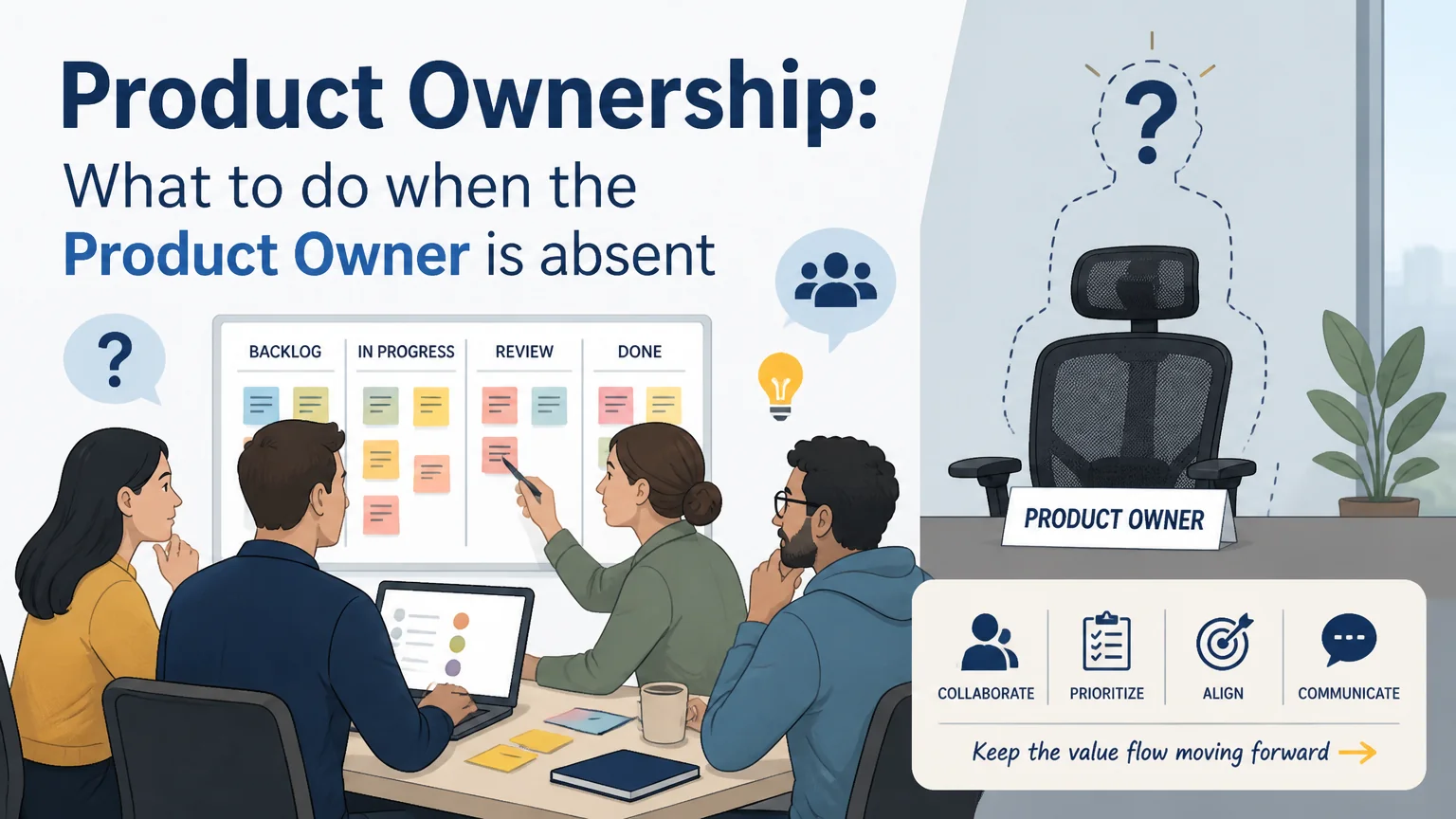
Kanban is an agile methodology that focuses on visualizing the workflow, limiting work in progress (WIP, *Work In Progress*), and continuous improvement. Unlike Scrum, Kanban does not use sprints. Instead, tasks move across a Kanban board, representing the different stages of the work process (for example, "To Do", "In Progress", "In Review", "Done").
Scrumban is a hybrid methodology that combines elements of Scrum and Kanban. It seeks the flexibility of Kanban with the structure of Scrum, offering an approach that is more adaptable than pure Scrum. Generally, Scrumban teams retain some of Scrum's ceremonies (such as daily meetings), but remove fixed sprints and adopt Kanban's continuous flow system.
To help you decide which is best for your team, here is a comparative table:
| Characteristic | Scrum | Kanban | Scrumban |
|---|---|---|---|
| Sprints | Fixed and defined | Does not use sprints | Does not use fixed sprints |
| Roles | Defined (Product Owner, Scrum Master, Development Team) | Not explicitly defined | Can adopt Scrum roles or be more flexible |
| Planning | At the start of each sprint | Continuous, as needed | On demand |
| Meetings | Daily, sprint planning, sprint review, sprint retrospective | Optional, focused on the workflow | Daily mandatory, optional retrospectives |
| Change of Requirements | Generally limited to the start of the sprint | Flexible and adaptable to changes | Flexible and adaptable to changes |
| Metrics | Velocity, Burndown charts | Cycle time, throughput | Combines Scrum and Kanban metrics |
The choice between Scrum, Kanban and Scrumban depends on several factors:
Search
Popular searches