For Onlinecourses55
|
2026-07-17
For Onlinecourses55
|
2026-07-17

Lean startup for coaches: the build-measure-learn cycle explained - professional agile coach
For those coach building their business model on innovative methodologies, adopting the principles outlined in the focused agile coaching course will be crucial.
In the competitive world of coaching, differentiating yourself and offering high-value services is crucial for success. The Lean Startup methodology, originating from the development of tech startups, offers a flexible and powerful framework for coaches to innovate, test ideas, and optimize their businesses efficiently. In this article, we'll explore how coaches can adopt the Build-Measure-Learn (BML) cycle to create more effective programs, attract their ideal client, and build a sustainable coaching business.
Originally popularized by Eric Ries in his book "The Lean Startup", this methodology focuses on developing products and services through an iterative cycle. Instead of spending months (or years) planning and building a perfect product, Lean Startup advocates launching a minimum viable product (MVP) quickly, getting customer feedback, and then iterating and improving based on real data.
For coaches, this means that instead of spending months designing an extensive coaching program without knowing if it will resonate with their audience, they can create a small pilot program, get feedback, and adjust it to better fit their clients' needs.
The heart of the Lean Startup methodology is the Build-Measure-Learn (BML) cycle. Let's see how coaches can apply each stage in their own business:
The MVP is not an unfinished or low-quality product. It is the simplest version of your coaching service that allows you to test your core hypothesis. For example:
The goal is to gain the maximum amount of validated learning with the least possible effort. Clearly define what you want to learn with your MVP. For example: "Is there demand for a productivity coaching program for entrepreneurs?"
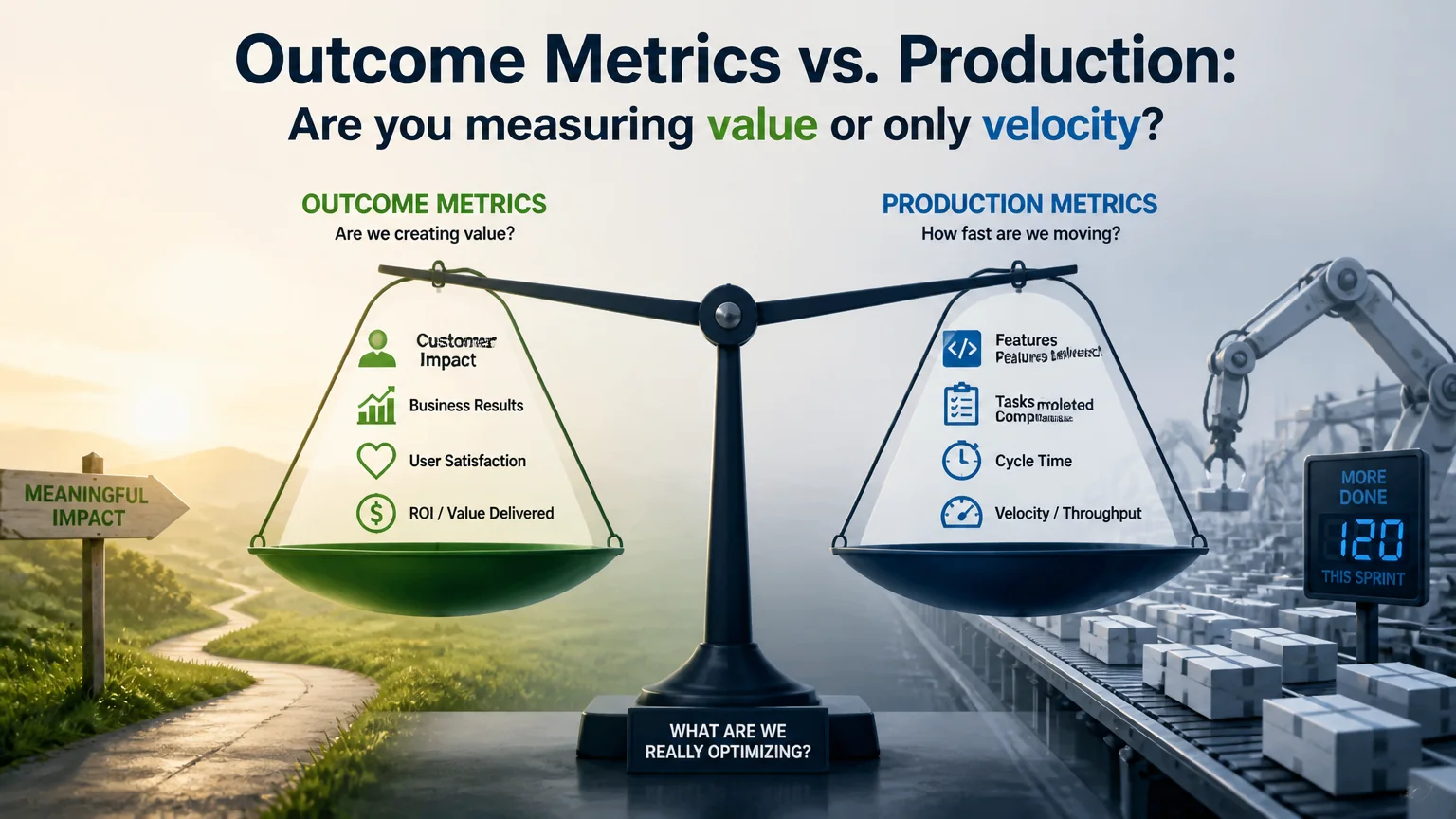
Once you have launched your MVP, it's crucial to measure its performance. It's not just about knowing how many people signed up, but about collecting meaningful data that helps you understand whether your hypothesis is valid. Consider the following metrics:
Use web analytics tools, online surveys, and individual interviews to collect this data. Analyze the results carefully to identify patterns and trends.
The learning stage is where the real value of the BML cycle lies. Based on the data you have collected, you must answer the following questions:
If the results are positive, you can continue iterating and improving your MVP. If the results are negative, you may need to pivot your idea or try a different approach. Don't be afraid to fail. Failure is an opportunity to learn and grow.
Here are some specific examples of how coaches can apply the BML cycle in their businesses:
Search
Popular searches