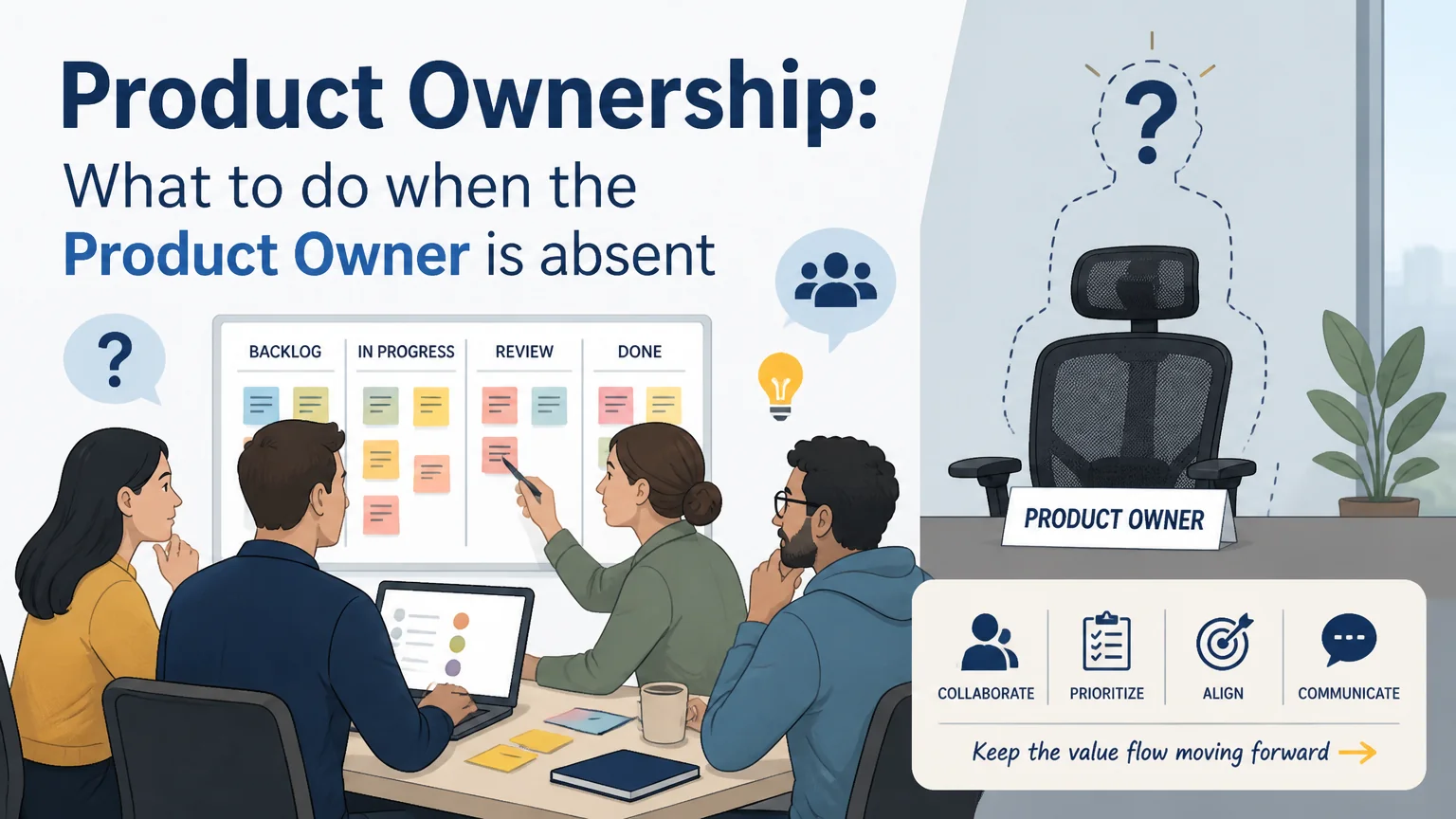
If you're facing challenges with meeting overload, exploring the strategies covered in the transformative agile coaching course could help optimize your productivity.
Do you constantly feel trapped in a whirlwind of meetings that consume your time and energy, leaving you little room for real work? Meeting overload is a common problem in many organizations, and it can have a devastating impact on productivity, morale, and the ability to innovate. Fortunately, an Agile Coach can offer valuable strategies to reverse this situation and regain control of your schedule.
The Negative Impact of Meeting Overload
Before we dive into solutions, it's crucial to understand why meeting overload is so harmful:
- Decrease in productivity: Spending hours in meetings drastically reduces the time available for crucial tasks.
- Increase in stress: The pressure of attending multiple meetings, often without a clear agenda, creates stress and anxiety.
- Loss of focus: Constant interruptions make it difficult to concentrate and immerse oneself in work.
- Deterioration of creativity: The lack of time for reflection and exploration limits innovation.
- Disconnection from real work: Employees feel disconnected from their core responsibilities and the company's goals.
In essence, meeting overload creates a vicious circle of inefficiency that harms both individuals and the organization as a whole. An Agile Coach can help you break this cycle.
Strategies an Agile Coach Can Use to Combat Meeting Overload
An Agile Coach, expert in agile methodologies such as Scrum and Kanban, can offer a structured approach to addressing the problem of meeting overload. Here are some key strategies you can implement:
1. Deep Diagnosis and Analysis
The first step is to carry out a thorough analysis of existing meetings. This involves:
- Identify all meetings: Create a complete list of all meetings that are held regularly.
- Evaluate purpose and necessity: Ask yourself if each meeting is really necessary and if it serves a clear purpose. Could the same objective be achieved in another way?
- Analyze attendance: Are the right people attending? Are there participants who do not contribute actively?
- Measure duration: Is too much time being allocated to meetings? Are the assigned times being respected?
- Collect feedback: Ask participants for feedback on the usefulness and efficiency of the meetings.
An Agile Coach can facilitate this process through surveys, interviews, and data analysis.
2. Defining a Clear Purpose and Specific Goals
Each meeting should have a defined purpose and specific objectives. Before scheduling a meeting, ask yourself the following questions:
- What is the main objective of this meeting?
- What concrete results do we expect to obtain?
- What decisions need to be made?
- What information needs to be shared?
Define these elements clearly and communicate them to all participants in advance. This will help keep the meeting focused and productive.
3. Creating Structured and Effective Agendas
A well-structured agenda is essential for a successful meeting. The agenda should include:
- Topics to be addressed: List the specific topics that will be discussed in the meeting.
- Time allocated to each topic: Set a time limit for each topic to avoid deviations.
- Owners: Indicate who is responsible for presenting or leading each topic.
- Supporting materials: Include links to relevant documents, presentations, or reports.
Share the agenda with participants at least 24 hours before the meeting so they can prepare adequately.
4. Optimizing Meeting Duration
Meeting duration should be as short as possible. Consider the following strategies:
- Reduce the default duration: Experiment with shorter meetings, such as 15- or 30-minute meetings instead of 60-minute ones.
- Set a maximum time: Strictly adhere to the time allocated to each topic.
- Use time-management techniques: Employ techniques such as timeboxing to ensure all topics are covered within the allotted time.
Remember that concentration decreases over time, so shorter meetings are usually more productive.
5. Encouraging Active Participation and Effective Communication
A productive meeting requires the active participation of all attendees. Encourage participation through:
- Open questions: Encourage participants to share their ideas and perspectives.
- Brainstorming: Use brainstorming techniques to generate new ideas and solutions.
- Constructive debates: Facilitate respectful debates focused on finding solutions.
- Constructive feedback: Promote honest and useful feedback.
An Agile Coach can teach facilitation techniques to improve communication and collaboration in meetings.
6. Use of Online Collaboration Tools
Online collaboration tools can improve meeting efficiency, especially for distributed teams. Consider using:
- Video conferencing platforms: Use tools like Zoom, Google Meet, or Microsoft Teams for virtual meetings.
- Project management tools: Use tools like Asana, Trello, or Jira to manage tasks and projects.
- Virtual whiteboards: Use virtual whiteboards like Miro or Mural to facilitate visual collaboration.
These tools can help keep the meeting focused, encourage participation and facilitate tracking of agreed actions.
7. Continuous Follow-up and Evaluation
It is crucial to continuously monitor the effectiveness of meetings and make adjustments as necessary. This involves:
- Review progress: Evaluate whether meetings are meeting their objectives.
- Request feedback: Ask participants to evaluate the usefulness and efficiency of the meetings.
- Make adjustments: Modify the agenda, duration, or frequency of meetings as needed.
An Agile Coach can help establish a continuous improvement process to optimize meetings in the long term.
 For Onlinecourses55
|
2026-08-16
For Onlinecourses55
|
2026-08-16