For Onlinecourses55
|
2026-03-06
For Onlinecourses55
|
2026-03-06

Personal brand and style: how to align your appearance with your professional message - professional personal image coach
If you’re ready to align your presence with your expertise, consider enrolling in a course focused on creating authenticity in your professional image that resonates with your audience.
Your image speaks before you open your mouth. The way you dress, move, and mind the details sends clear signals about your reliability, your level of professionalism, and your value proposition. When those signals align with what you say and do, opportunities multiply: you build trust, you’re remembered easily, and your message gains strength. If you’ve ever felt that your achievements aren’t reflected in your presence, it’s time to consciously work on that outer-inner coherence.
Before choosing garments or colors, you need precision about what you want to communicate. Presence is an amplifier: if there isn’t a clear message, it will only amplify noise. Start with your value proposition, your audience, and the outcome you promise.
Choose three to five attributes you want to define you (for example: strategic, human, bold, methodical, creative). These words will be the compass for your aesthetic and communication decisions.
Your exterior communicates with universal codes: color, shape, texture, contrast, and order. Use them to your advantage to reinforce your anchor words.
Define a base palette (2–3 neutrals) and accents (1–2 colors) that align with your attributes.
Straight lines and pronounced structures reinforce precision and leadership; soft silhouettes communicate accessibility. Choose cuts that flatter your body and the message: structured blazers for direction; fluid fabrics if your role requires support and listening.
Smooth, high-twist fabrics convey neatness; worsted wools, cotton poplin, and polished leather suggest rigor. Fine knits, linen, and soft blends project approachability or creativity. Avoid excessive shine in formal contexts.
Think of a scale from 1 to 5: 1 is completely casual; 5 is strict formal attire. Place your industry on the scale and move half a point up or down based on objective and audience. The rule: better one point up than down when trust hasn’t yet been built.
Structures, cool neutrals, and moderate contrasts predominate. Key pieces: a well-fitted blazer, impeccable shirts, polished classic shoes. Minimal, functional accents (understated watch, discreet pocket square).
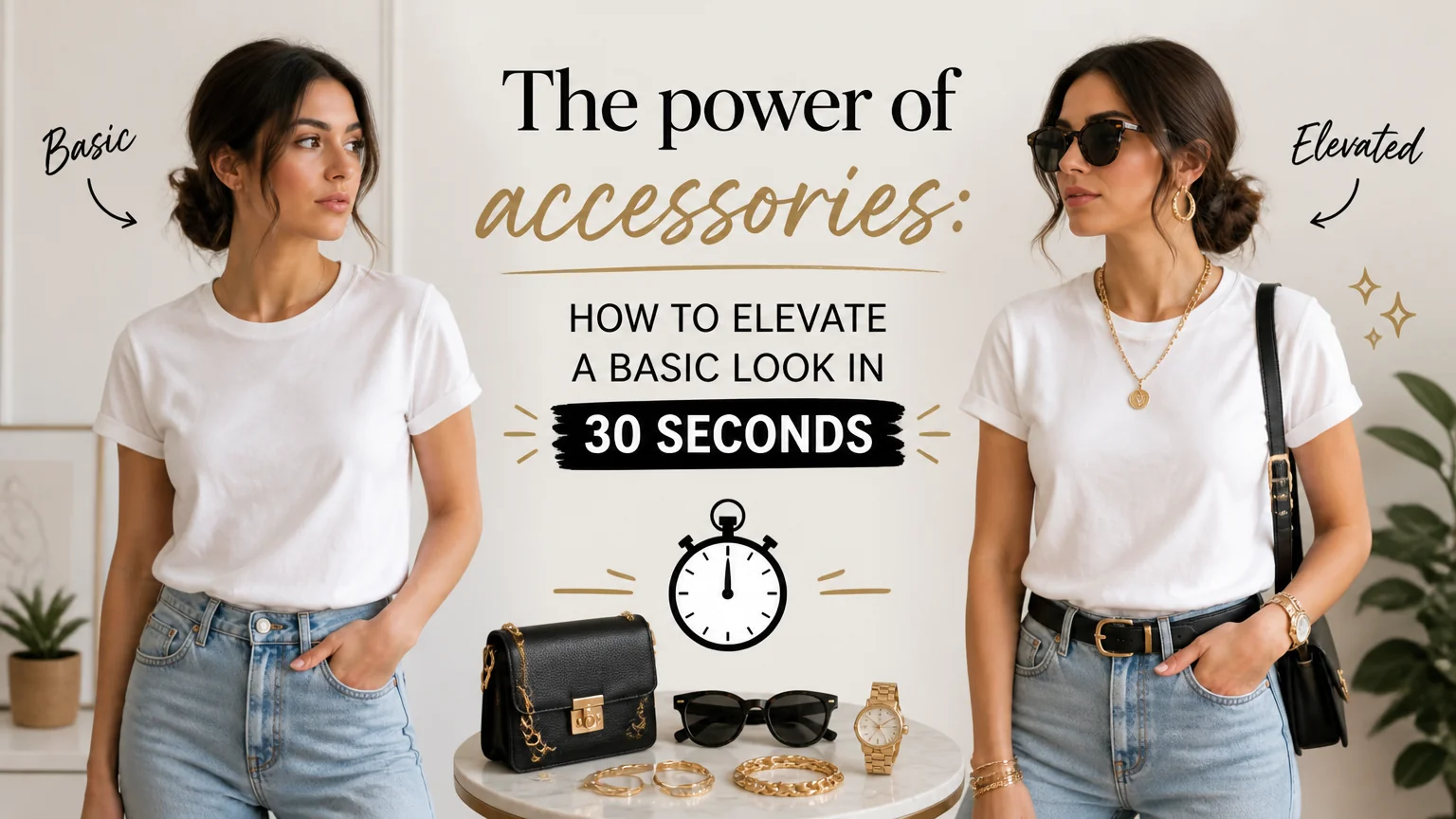
More freedom for color, textures, and statement pieces. Keep intention: mix quality basics with one distinctive element (clean designer sneakers, a garment with a controlled pattern). Avoid trend saturation.
Polished comfort. Upper half optimized for camera: defined collar, colors that flatter your skin, uncluttered backgrounds. Technical fabrics and minimalism. In hybrid offices, add a third piece (structured cardigan or overshirt).
Serene authority. Sober palettes, clean lines, impeccable hygiene and upkeep. Avoid intrusive perfumes; prioritize functionality and order.
Build a core of compatible pieces that support your day-to-day without friction. Coherence is born from intelligent repetition, not quantity.
Do photo tests under the light and in the environment where you work. The camera reads differently than the mirror.
Personal care is part of the message. It’s not about standardizing, but about being intentional.
Your voice and rhythm also dress you: pause, diction, and volume consistent with the intention.
Online, the first impression is pixels. Maintain consistency between in-person and virtual.
Coherence also respects cultural context, climate, gender, and size. Professional doesn’t mean a single uniform: integrate personal elements (local fabrics, identity-driven accessories) with the codes of the environment. Research customs, tacit norms, and audience expectations. Prioritize genuine comfort: nothing communicates confidence like feeling good in your own skin.
What isn’t measured isn’t managed. Define simple indicators: email response rates, meeting invitations, quality of interactions, referrals received, subjective sense of confidence. Review monthly. If an aesthetic change doesn’t improve communication or performance, it doesn’t add up.
When your exterior and your message pull in the same direction, you reduce mental friction and increase focus. Fewer trivial decisions, more energy for what matters. The key is sustained intention: choose with purpose, repeat what works, and evolve without losing essence. Your presence is a strategic tool; use it to open doors, back up your words, and turn your work into visible impact.
Search
Popular searches


![Body type without hang-ups: tips to highlight your best features [no matter your shape]](/images/postDuplicados/onlinecourses55-body-type-without-hang-ups-tips-to-highlight-your-best-features-no-matter-your-shape.webp)