By mastering the art of clothing choices, you can transform your presence; consider exploring a program that can help enhance your skills as an expert in personal image coaching to ensure you always project confidence and professionalism.
Your clothes speak before you say a word. In an interview, that first impression can amplify your message or distract from it. Choosing what to wear is not just a matter of style: it’s strategy, consistency, and respect for the time of the person meeting you. Below you’ll find a practical, human guide to choosing an outfit that works in different contexts, projects professionalism, and, above all, lets you focus on what matters: conveying your value.
Understand the company’s context and culture
Before you open your closet, do your research. Look at team photos on social media, the tone of their posts, and the industry. The goal is to align with the organization’s average level of formality while still being yourself.
Traditional formal environments
Finance, legal, and strategy consulting tend to favor restraint. A well-fitted suit, plain shirt, and polished leather shoes are the foundation. Avoid flashy prints and large accessories.
Professional business casual
Technology, education, and general administration adopt a neat look without so much rigidity. Tailored trousers or a midi skirt, a structured blouse or shirt, a fine sweater or blazer. Closed-toe shoes or clean loafers.
Creative and startups
Design, marketing, media, and startups allow more expression. Even so, mind the finish: garments with good drape, one statement piece (color, texture, or silhouette), and the rest neutral for balance.
Customer service and sales
Professional approachability takes priority. Clothes that are easy to move in, approachable colors (blues, grays, ivory), and a crisp appearance. Avoid anything that could distract or create discomfort in direct interactions.
Universal principles of a strong first impression
- Impeccable fit: nothing too tight or too loose; seams should rest without tension.
- Clean and pressed: wrinkles, pilling, or stains erode your credibility instantly.
- Intentional restraint: if in doubt, choose simple. If you take a risk, let it be in a single garment or color.
- Head-to-toe coherence: clothing, footwear, hair, and accessories should tell the same story.
- Real comfort: if something bothers you, it will show in your body language. Choose mobility and breathable fabrics.
Safe outfit options by level of formality
Classic formal (safe for demanding environments)
- Suit in navy, mid gray, or charcoal. Straight cut or subtly tailored.
- Plain shirt in white or light blue; structured blouse in neutral tones.
- Closed leather shoes (oxfords, derbies, mid-height block heels, or structured flats) well polished.
- Minimal accessories: understated watch, belt that matches your footwear.
Polished business casual
- Tailored trousers or dark, well-draping chinos; midi skirt or shirt dress.
- Blazer or fine cardigan that adds structure without stiffness.
- Shirt, quality-knit polo, or non-sheer blouse.
- Loafers, plain ankle boots, very clean white sneakers if the sector allows.
Creative with intention
- Neutral base (black, gray, sand) and one accent of color or texture (an olive-green blazer, a blouse with a soft pattern).
- Modern yet functional silhouettes: well-pressed wide-leg trousers, a minimalist midi dress, a controlled oversized shirt.
- Single statement accessory: a geometric bag or a designer watch.
Video-call interviews
- Upper-frame pieces with texture and structure: blazers, defined collars, matte fabrics (avoid shine and pure white).
- Colors that contrast with your background and skin tone for visual definition.
- Bottom half appropriate as well: it will help you maintain posture and avoid surprises if you need to stand up.
Colors, fabrics, and the psychology of impact
Recommended palette
- Navy: confidence and approachability.
- Mid gray: analytical and neutral.
- Off-white or ivory: neatness without dazzling.
- Olive green or soft burgundy: touches of understated personality.
What to avoid
- Neons or jarring contrasts in formal settings.
- Very large prints or visible messages.
- Fabrics that are overly shiny or wrinkle easily.
Choose breathable fabrics (cool wool, cotton, blends with elastane) that hold their shape for hours. If the weather is warm, look for lightweight fibers and mid tones; in cold weather, thin layers are better than a single thick garment.
Footwear and accessories that enhance
Footwear
- Always clean and in good condition: spotless soles and no excessive wear.
- Moderate height if you wear heels; prioritize stability and quiet steps.
- Avoid very bulky sneakers unless the culture is clearly casual.
Accessories
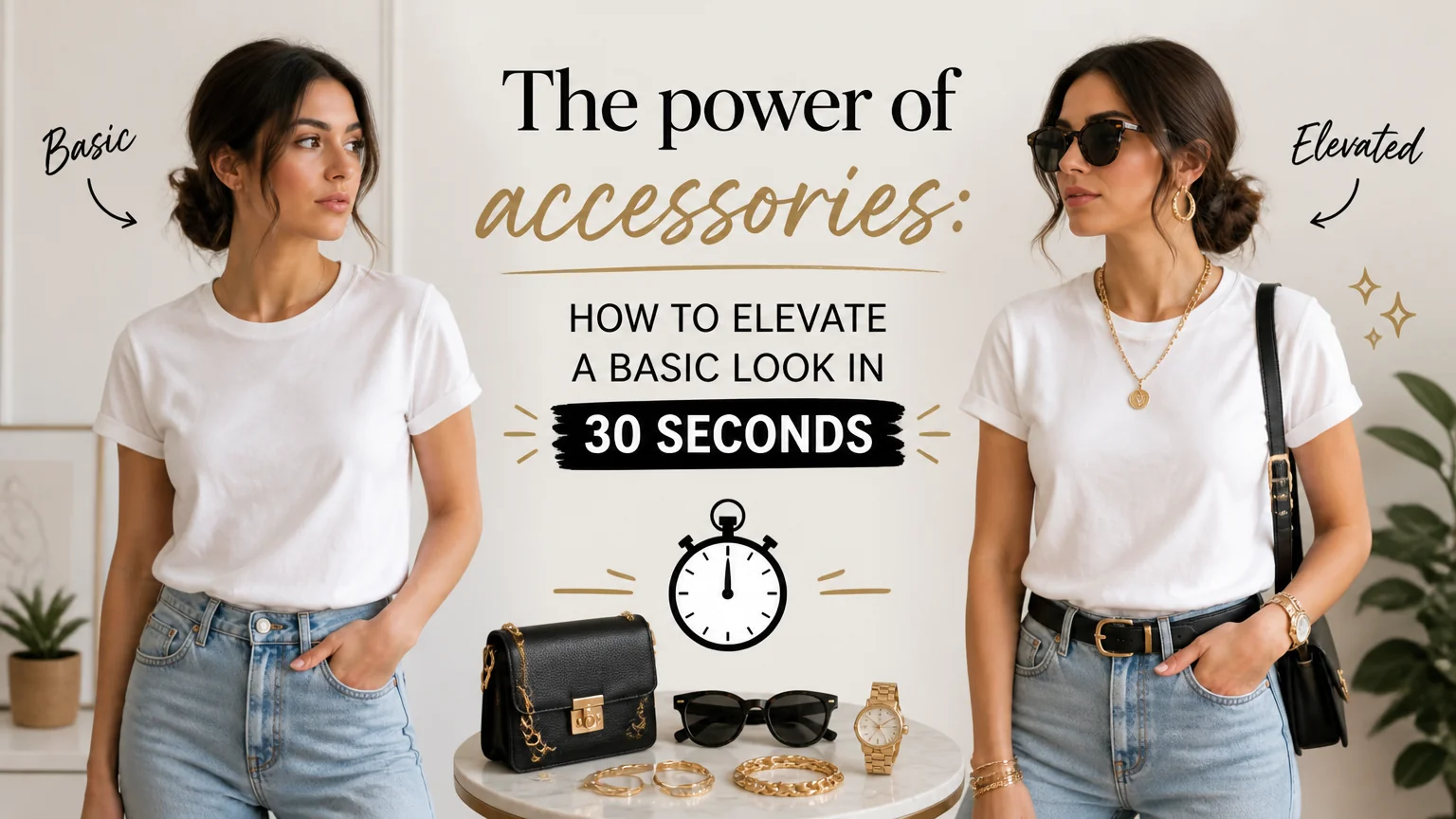
- Simple watch, coordinating belt, structured bag/briefcase that fits documents.
- Minimal jewelry: small or medium pieces that don’t jingle or catch too much light.
- Hosiery or socks without loud patterns when they’re visible as you sit.
Grooming and care
Hair, beard, and skin
- Controlled hairstyle that suits your look; avoid products that leave shiny residue.
- Beard neatly trimmed or freshly shaved; hydrated lips, clean skin.
Makeup and nails
- Natural makeup that evens and enhances without stealing attention.
- Clean, well-groomed nails; neutral or discreet solid colors.
Fragrance
- If you wear one, keep it subtle. A single spritz or a light aftershave.
Adapt your outfit to the weather
Heat
- Cool wool, blended linen, technical cotton; mid tones that disguise sweat.
- Wipes and a handkerchief in your bag for touch-ups.
Cold and rain
- Clean, understated overcoat or trench; plain, functional umbrella.
- Mid layer (thin vest, merino sweater) so you don’t arrive sweaty indoors.
Common mistakes to avoid
- New clothes untested: wear them in advance to ensure fit and comfort.
- Excess perfume or noisy accessories.
- Very wrinkled clothing, visible stains or lint.
- Messages, large logos, or controversial garments.
- Neglected or dirty shoes.
Final checklist
The night before
- Try on the full outfit and sit, walk, go up stairs.
- Iron and prepare an alternative in case the weather changes.
- Organize your bag: printed résumé, notebook, pen, ID, tissues.
The same day
- Check for lint and hems; clean glasses and shoes.
- Moisturize hands, control facial shine, and ensure fresh breath.
- Arrive with a 10–15 minute buffer to collect yourself.
Budget and sustainability
You don’t need to overspend to look professional. Prioritize a few quality, timeless-cut pieces that mix and match. If your budget is tight, explore renting interview pieces, alteration tailoring to refine what you already own, and secondhand shops in business districts, where you can often find near-new suits. Caring for and repairing your clothes extends their life and reduces environmental impact.
Authenticity and confidence
Dressing well for an interview doesn’t mean putting on a costume. It’s about removing noise so your message comes through clearly. Choose an outfit that represents you within the norms of the sector, walk with confidence, and let your preparation speak. When your clothes feel like an ally — not the main character — your voice has more room. That’s the goal.
 For Onlinecourses55
|
2026-02-19
For Onlinecourses55
|
2026-02-19