For Onlinecourses55
|
2026-09-03
For Onlinecourses55
|
2026-09-03

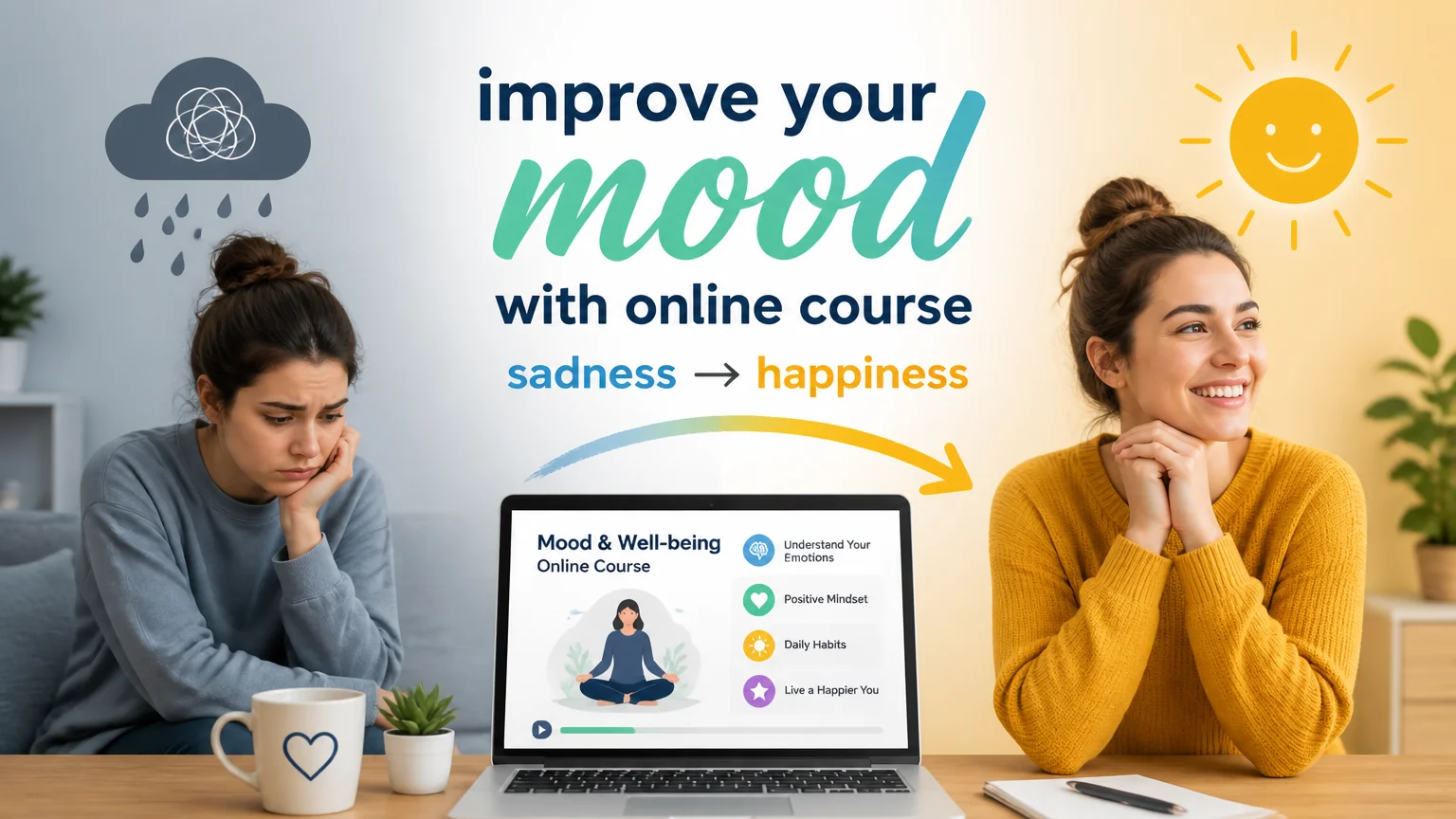
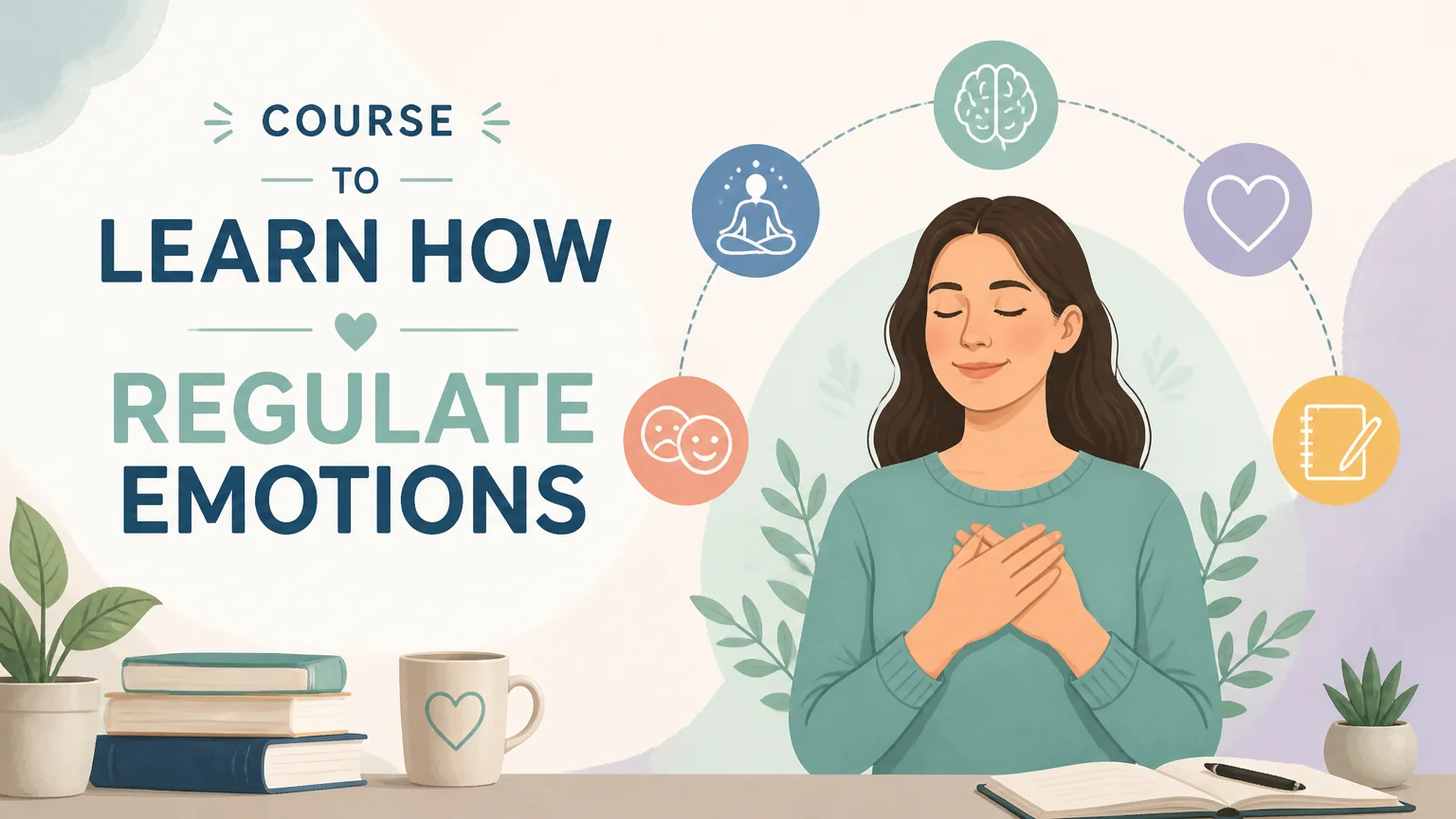
Emotional intelligence techniques online course - sadness happiness
If you're eager to improve your emotional well-being, consider an enlightening course that reveals the secrets of emotional intelligence for transformative personal growth.
Do you often feel overwhelmed by your emotions? Would you like to understand yourself better and manage your reactions to life's challenges? Emotional intelligence is the key to unlocking your potential and building stronger, more meaningful relationships. In this article, we will explore emotional intelligence techniques and how an online course can transform your life.
Emotional intelligence (EI) is the ability to recognize, understand, and manage our own emotions, as well as those of others. It is not about suppressing emotions, but about understanding and using them constructively.
Why is EI crucial?
Better relationships: It facilitates communication, empathy, and conflict resolution.
Greater professional success: It helps in leading teams, making sound decisions, and managing stress.
Personal well-being: It promotes self-esteem, resilience, and life satisfaction.
According to Daniel Goleman, one of the leading experts in EI, there are five key components:
Self-awareness: The ability to recognize your own emotions and how they affect you.
Self-regulation: The ability to control your impulses and manage your emotions in a healthy way.
Motivation: The passion to achieve your goals and the ability to stay focused in the face of obstacles.
Empathy: The ability to understand and share the feelings of others.
Social skills: The ability to build and maintain positive relationships, communicate effectively, and resolve conflicts.
Fortunately, EI is not an innate skill; it can be learned and developed! Here are some practical techniques:
Keep an emotion journal: Write down your daily emotions, the situations that triggered them, and how you reacted. This will help you identify patterns and understand your emotional triggers.
Practice mindfulness: Dedicate a few minutes each day to meditating or simply observing your thoughts and emotions without judging them. This will help you be more present and aware of your reactions.
Put yourself in someone else's shoes: Try to understand the perspectives and feelings of others, even if you don't agree with them.
Develop your emotional vocabulary: Learn to identify and name a wide range of emotions. This will allow you to communicate more accurately and better understand your own feelings.
Practice assertive communication: Express your needs and opinions clearly and respectfully, without being aggressive or passive.
If you want to accelerate your learning and get structured guidance, an online emotional intelligence course can be an excellent option. These courses usually offer:
Theoretical content: Lessons on the fundamentals of EI, its benefits, and its applications in different areas of life.
Practical exercises: Activities and exercises to help you develop your skills in self-awareness, self-regulation, empathy, and social skills.
Tools and resources: Templates, guides, and other materials to facilitate your learning process.
Personalized support: Some courses offer individual or group tutoring to answer your questions and help you overcome your challenges.
Flexibility: You can study at your own pace and from anywhere with internet access.
Not all online courses are the same. When choosing a course, consider the following factors:
Instructor's credibility: Research the instructor's experience and reputation. Do they have certifications or degrees in psychology, coaching, or related areas?
Course content: Make sure the course covers the five pillars of EI and offers practical exercises to develop your skills.
Teaching methodology: Does the course use videos, readings, interactive exercises, discussion forums? Choose a course that suits your learning style.
Reviews from other students: Read reviews and testimonials from other students to get an idea of the course's quality.
Price and satisfaction guarantee: Compare the prices of different courses and look for those that offer a satisfaction guarantee.
Once you master the fundamentals, you can explore more advanced techniques:
Cognitive restructuring: Learn to identify and challenge your negative or distorted thoughts.
Visualization: Use your imagination to create positive mental images that help you achieve your goals and overcome your fears.
Relaxation techniques: Practice techniques like deep breathing, progressive muscle relaxation, or yoga to reduce stress and anxiety.
Advanced mindfulness: Explore deeper mindfulness practices, such as Vipassana meditation or walking meditation.
Emotional coaching: Consider working with a certified emotional coach to receive personalized support and accelerate your progress.
EI is increasingly valued in the workplace. Companies look for leaders and employees who are able to:
Work in a team: Collaborate effectively with others, resolve conflicts, and build strong relationships.
Communicate effectively: Express ideas clearly and persuasively, listen actively, and give constructive feedback.
Adapt to change: Handle uncertainty, be flexible, and learn new skills.
Lead with empathy: Inspire and motivate others, understand their needs, and create a positive work environment.
Manage stress: Stay calm under pressure, make sound decisions, and avoid burnout.
EI is fundamental for building healthy and satisfying personal relationships. It helps you to:
Understand your partner: Understand their needs, feelings, and perspectives.
Communicate effectively: Express your feelings clearly and respectfully, listen actively, and resolve conflicts constructively.
Create intimacy: Share your deepest thoughts and feelings, be vulnerable, and build a strong emotional connection.
Forgive: Let go of resentment and anger, accept your partner as they are, and move forward together.
Support your loved ones: Be there for them in difficult times, offering comfort and encouragement.
Developing EI is not always easy. You may face obstacles such as:
Resistance to change: It can be difficult to step out of your comfort zone and adopt new ways of thinking and feeling.
Fear of vulnerability: It can be scary to show your true feelings and be authentic with others.
Limiting beliefs: You may have negative beliefs about yourself or your emotional capabilities.
Lack of time: It can be difficult to find time to practice EI techniques in your daily life.
Lack of support: It can be helpful to have the support of a coach, therapist, or support group to overcome these obstacles.
Developing emotional intelligence is not a destination, but a continuous journey. It requires constant practice, patience, and self-compassion. Don't be discouraged if you make mistakes or have setbacks. The important thing is to keep learning and growing.
Emotional intelligence is an essential skill for personal and professional success. An online emotional intelligence course can be a valuable investment in your well-being and your future. Start developing your EI today and transform your life! Don't wait any longer; mastering your emotions will open the doors to a world of possibilities.
Search
Popular searches