For Onlinecourses55
|
2026-10-08
For Onlinecourses55
|
2026-10-08
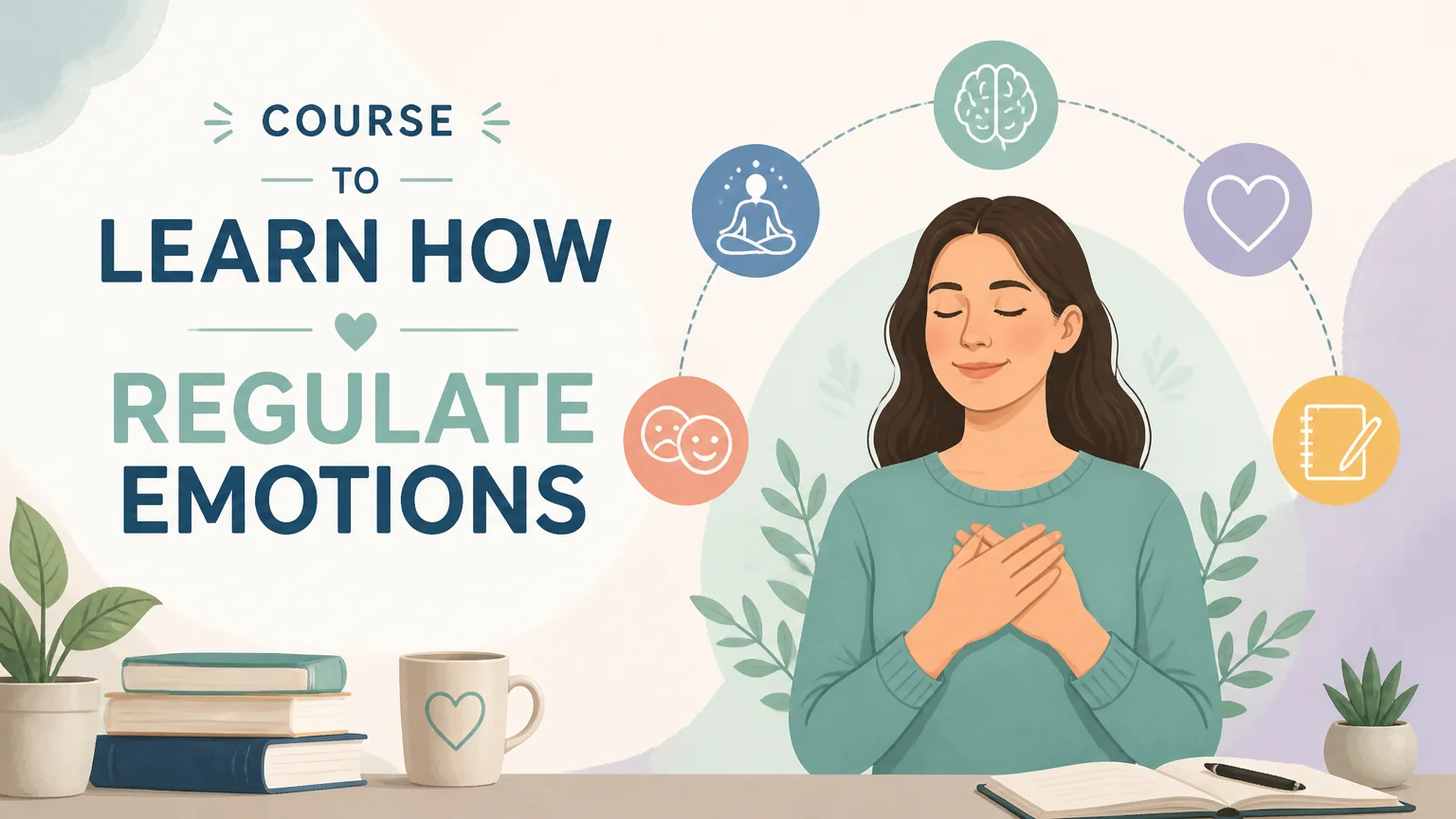
Course to learn how to regulate emotions - sadness happiness
Emotional management is essential for living well. Consider enrolling in a structured course that provides tools to regulate your emotions and enhances your well-being.
In today's fast-paced world, understanding and managing our emotions is more crucial than ever. Feeling overwhelmed, anxious, or easily frustrated can significantly impact our relationships, work, and overall well-being. But what if you could learn to navigate these emotional storms with greater ease and resilience? This article explores the path to emotional regulation, focusing on the benefits of taking a course to learn how to regulate emotions and providing practical steps to start your journey today.
We often hear about emotional intelligence and its importance, but how do we actually develop it? Although some people seem to have a natural gift for managing their feelings, the truth is that emotional regulation is a skill that can be learned and perfected. A dedicated course offers several key advantages:
Structure and Guidance: A well-designed course provides a structured framework for understanding emotions, their origins, and how they manifest in our lives. It avoids the overload of scattered information you might find online, offering a clear roadmap.
Tools and Techniques: You will learn specific, evidence-based techniques for managing difficult emotions like anger, anxiety, sadness, and fear. These might include mindfulness exercises, cognitive restructuring, and relaxation techniques.
Support and Community: Many courses offer a supportive community where you can connect with other students, share experiences, and receive encouragement. This can be incredibly valuable when facing emotional challenges.
In-depth Exploration: A course allows you to delve deeper into the specific emotional challenges you may face, offering personalized solutions and strategies. Think of it as tailored training, rather than generic advice.
Accountability: The commitment of enrolling in and paying for a course often increases your motivation to learn and apply the techniques.
It is crucial to understand what emotional regulation is not. It is not about suppressing your emotions or pretending they don't exist. Trying to repress your feelings can lead to a series of problems, including increased stress, anxiety, and even physical health issues.
Instead, emotional regulation consists of:
Recognizing: Acknowledging and identifying your emotions as they arise, without judgment.
Understanding: Understanding the triggers and underlying causes of your emotions. Why do you feel this way? What thoughts or situations are contributing?
Modulating: Learning to adjust the intensity and duration of your emotional responses in a healthy and adaptive way. This means managing the behavior driven by your emotion.
Expressing: Communicating your emotions effectively and assertively, without resorting to aggression or passivity.
Accepting: Sometimes, you have to accept that you feel a certain way and not fight against your emotions. Acceptance doesn't mean you have to like it, but it can help you move through it.
The benefits of mastering emotional regulation extend far beyond simply feeling calmer. They impact virtually every aspect of your life:
Better Relationships: When you can manage your emotions effectively, you are better able to communicate with empathy, resolve conflicts constructively, and build stronger, more fulfilling relationships. Imagine handling a disagreement with your partner calmly instead of it escalating into a shouting match.
Greater Resilience: Emotional regulation helps you bounce back more quickly from setbacks and adversity. You develop the internal resources to cope with stress, handle disappointments, and maintain a positive outlook even in difficult times.
Improved Work Performance: Regulating your emotions can enhance your focus, productivity, and decision-making at work. You are less likely to be distracted by anxiety, frustration, or anger, and more likely to collaborate effectively with colleagues.
Lower Stress and Anxiety: Learning to manage your emotional responses can significantly reduce stress and anxiety levels. You gain a sense of control over your emotional state, rather than feeling like a victim of your feelings.
Better Physical Health: Chronic stress and negative emotions can take a toll on your physical health. Emotional regulation can help lower blood pressure, improve sleep quality, and strengthen your immune system.
Higher Self-Esteem: Understanding your emotions and controlling reactions to situations can provide a sense of empowerment and a boost in self-esteem.
Not all courses are created equal. When choosing a course, consider the following factors:
Instructor Credentials: Look for instructors with relevant qualifications and experience in psychology, therapy, or emotional intelligence. Do they have a proven track record of helping people?
Methodology: Does the course offer a mix of theory and practical exercises? Does it incorporate mindfulness techniques, cognitive restructuring, or other evidence-based approaches?
Course Format: Is the course online, in-person, or a hybrid? Consider your learning style and schedule when choosing a format. Online courses offer flexibility, while in-person ones provide more direct interaction.
Testimonials and Reviews: Read reviews and testimonials from past students to get an idea of the course's effectiveness. What did other people find helpful or challenging?
Course Content: Examine the curriculum carefully to ensure it covers the topics most relevant to your needs. Does it address the specific emotional challenges you are facing?
Price: Compare the cost of different courses and consider the value you get for your money. Remember that investing in your emotional well-being is an investment in your overall well-being.
Although specific course content may vary, here are some fundamental techniques you can expect to learn:
Mindfulness: Practicing mindfulness involves paying attention to the present moment without judgment. This can help you become more aware of your emotions and thought patterns, allowing you to respond to them more effectively. Mindfulness meditation is a great tool to incorporate.
Cognitive Restructuring: This technique involves identifying and challenging negative or unhelpful thoughts that contribute to emotional distress. You will learn to replace these thoughts with more realistic and balanced perspectives. For example, if you think "I'm going to fail this presentation," you might challenge that thought by asking, "What evidence do I have that I will fail? Have I prepared adequately? What are my strengths as a presenter?".
Relaxation Techniques: Learning relaxation techniques such as deep breathing, progressive muscle relaxation, and visualization can help calm your nervous system and reduce feelings of anxiety and stress. Diaphragmatic breathing is a simple yet powerful technique.
Assertive Communication Skills: Assertive communication involves expressing your needs and feelings clearly and respectfully, without being aggressive or passive. This can help you build stronger relationships and avoid misunderstandings.
Distress Tolerance: Learning to tolerate uncomfortable emotions without immediately trying to avoid them is a key aspect of emotional regulation. This involves accepting that some discomfort is a normal part of life and developing strategies to cope with it.
Even without enrolling in a course, you can start practicing emotional regulation techniques today:
1. Keep an Emotion Journal: Log your emotions throughout the day, noting what you felt, what triggered it, and how you responded. This can help you identify patterns and triggers.
2. Practice Deep Breathing: When you feel overwhelmed, take a few slow, deep breaths. Inhale deeply through your nose, filling your lungs completely, and exhale slowly through your mouth.
3. Identify Your Automatic Thoughts: Pay attention to the thoughts that pop into your head when you feel emotional. Are they negative, unrealistic, or overly critical?
4. Question Your Thoughts: Ask yourself if your thoughts are based on facts or assumptions. What evidence do you have to support them?
5. Practice Self-Compassion: Treat yourself with the same kindness and understanding you would offer a friend. Acknowledge your struggles and remind yourself that everyone makes mistakes.
Beyond formal courses, many resources can help you learn about emotional regulation:
Books: Explore books on emotional intelligence, mindfulness, and cognitive-behavioral therapy (CBT).
Apps: There are many apps available that offer guided meditations, relaxation exercises, and mood-tracking tools.
Websites: Reputable websites offer articles, videos, and other resources on emotional regulation. Look for sites from reliable sources like universities or mental health organizations.
Therapists: A therapist can provide personalized guidance and support in developing your emotional regulation skills.
Learning to regulate your emotions is a journey, not a destination. You are likely to encounter obstacles along the way:
Resistance to Change: It can be challenging to break old habits and adopt new ways of thinking and behaving. Be patient with yourself and celebrate small victories.
Fear of Feeling: Some people avoid difficult emotions because they are afraid of being overwhelmed. Remember that emotions are temporary and you can learn to manage them.
Lack of Time: It can be hard to find time for self-care and emotional regulation practices. Start small and gradually incorporate these practices into your daily routine.
Perfectionism: Don't strive for perfection. Emotional regulation is about progress, not being perfect. It's okay to have bad days.
Remember that learning to regulate your emotions is a marathon, not a sprint. It takes time, effort, and patience to develop these skills. Don't get discouraged if you don't see results immediately. Keep practicing, keep learning, and keep believing in yourself. Every small step you take is a step in the right direction.
The key to long-term success in emotional regulation is making it a daily habit. Incorporate these practices into your routine just like brushing your teeth or eating breakfast. The more you practice, the more natural and automatic they will become. Try setting reminders on your phone or writing a list of your daily tools to incorporate them into your routine.
Taking a course to learn to regulate emotions can be a transformative experience, empowering you to navigate life's challenges with greater resilience, improve your relationships, and enhance your overall well-being. Although it requires effort and dedication, the rewards are well worth the investment. By adopting the techniques and strategies discussed in this article, you can embark on a journey toward emotional mastery and a more fulfilling life. Don't hesitate to take the first step and start learning to regulate your emotions today.
Search
Popular searches