What Is Self-Care and Why Is It Essential for Well-Being
Learn how to identify your needs and build restorative self-care practices that prevent burnout, support well-being, and strengthen your relationships.
Watch Video For Onlinecourses55
|
2026-11-12
Psychological well-being
For a full, meaningful existence, think about how pursuing a course dedicated to enhancing psychological well-being can cultivate balance and harmony.
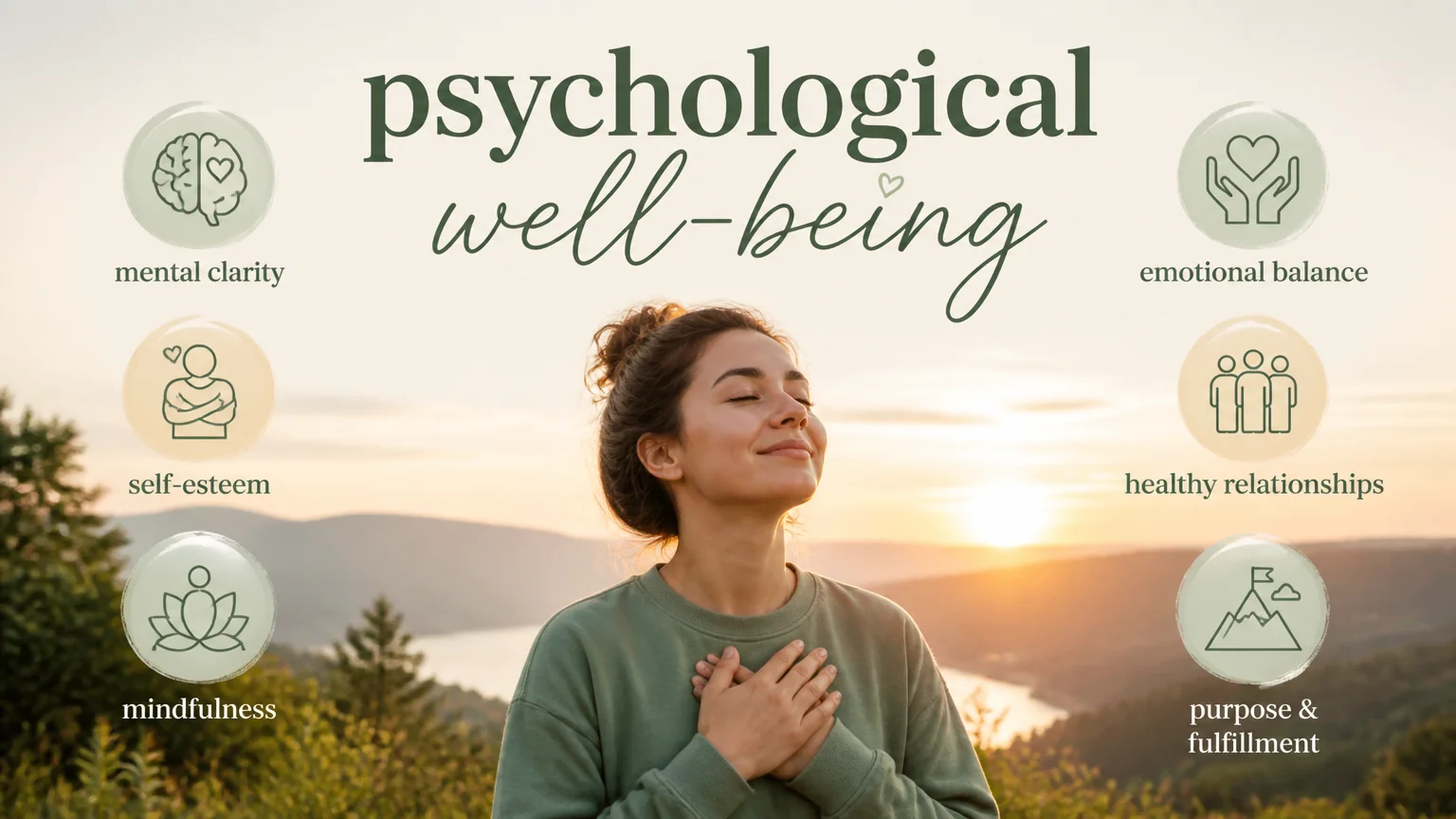
Psychological well-being is a broad and multifaceted concept that encompasses much more than just the absence of mental illness. It is a state of balance and harmony in our mind, emotions, and spirit, which allows us to function optimally in all aspects of our lives. In essence, psychological well-being is the foundation for a full, happy, and meaningful life.
To understand it better, we can imagine psychological well-being as a well-tended garden. It is not enough to remove the weeds (problems and difficulties). We must also cultivate the flowers (strengths, skills, and positive relationships) and provide them with the water and light necessary to flourish (self-care, social support, and a purpose in life).
In more technical terms, psychological well-being is composed of several key elements:
Self-acceptance: Accepting all parts of ourselves, both positive and negative, without judging ourselves harshly. It is the ability to say "I am who I am" and be at peace with it.
Autonomy: Feeling free and independent, capable of making our own decisions and following our own paths without being excessively influenced by the opinions of others.
Environmental mastery: Feeling competent and capable of managing the demands of our environment, whether it's work, family, or the community.
Personal growth: Having a sense of continuous development, of constant learning and improvement. It is the feeling that we are evolving and becoming the best version of ourselves.
Purpose in life: Having a sense of direction and meaning in life, something that motivates us to get up every morning and gives us a purpose to keep going.
Positive relations with others: Having healthy, satisfying, and enriching interpersonal relationships with others.
Psychological well-being is not a luxury, but a fundamental necessity for our health and happiness. A good state of psychological well-being allows us to:
Manage stress effectively: When we feel good about ourselves, we are more resilient and able to face life's challenges with calm and optimism.
Have healthier relationships: Good mental health allows us to connect with others authentically and build relationships based on respect, trust, and love.
Be more productive and creative: When our mind is clear and focused, we are better able to concentrate, be innovative, and achieve our goals.
Enjoy life to the fullest: Psychological well-being allows us to appreciate the little things, feel gratitude, and find joy in everyday life.
Live longer and with a better quality of life: Studies have shown that people with a good level of psychological well-being tend to live longer and have better physical health.
It is important to be attentive to the signs that indicate our psychological well-being is in danger. Some of the most common signs include:
Persistent feelings of sadness, anxiety, or irritability.
Loss of interest in activities we once enjoyed.
Changes in appetite or sleep patterns.
Difficulty concentrating or making decisions.
Social isolation and feelings of loneliness.
Recurrent negative or self-critical thoughts.
Feelings of hopelessness or lack of purpose.
If you experience any of these signs, it is important to seek professional help. A psychologist or therapist can help you identify the causes of your distress and develop strategies to improve your psychological well-being.
Fortunately, there are many things we can do to strengthen our psychological well-being. Here are some practical strategies you can incorporate into your daily life:
Practice mindfulness: Mindfulness consists of paying attention to the present moment, without judging it. You can practice mindfulness by meditating, paying attention to your senses, or simply walking in nature.
Cultivate gratitude: Taking time each day to reflect on the things you are grateful for can improve your mood and strengthen your psychological well-being.
Engage in regular physical activity: Physical exercise releases endorphins, which have a positive effect on mood. It also helps you reduce stress and improve your overall physical health.
Get enough sleep: Lack of sleep can negatively affect your mood, concentration, and physical health. Aim for 7 to 8 hours of sleep each night.
Nourish your body with healthy foods: A balanced and nutritious diet can improve your mood, energy level, and overall health.
Connect with others: Spending time with friends and family, joining a group or community, or simply talking to a neighbor can strengthen your social relationships and reduce feelings of loneliness.
Learn something new: Learning something new, whether it's a language, a skill, or a topic that interests you, can stimulate your mind, boost your confidence, and give you a sense of accomplishment.
Help others: Doing something for others, whether it's volunteering, donating to a cause you care about, or simply helping a friend, can improve your mood and give you a sense of purpose.
Set realistic goals: Having goals that are achievable and meaningful to you can give you a sense of direction and motivation in life.
Practice self-compassion: Treat yourself with the same kindness and understanding you would treat a friend who is going through a difficult time.
Seek professional help if you need it: Don't be afraid to ask for help from a psychologist or therapist if you feel you are struggling with your psychological well-being.
Self-care is an essential component of psychological well-being. It refers to the actions we take to care for our physical, mental, and emotional health. Self-care is not selfish; it is necessary to maintain our balance and be able to function optimally.
Some ideas for self-care include:
Taking a relaxing bath.
Reading a book.
Listening to music.
Spending time in nature.
Writing in a journal.
Practicing yoga or meditation.
Doing something you enjoy, like painting, drawing, or dancing.
Simply taking some time to relax and disconnect from the world.
The workplace can have a significant impact on our psychological well-being. A toxic work environment, with high levels of stress and lack of support, can damage our mental health. On the other hand, a positive work environment, with a good work-life balance and opportunities for growth, can improve our psychological well-being.
Some strategies to improve psychological well-being at work include:
Setting clear boundaries between work and personal life.
Taking regular breaks during the day.
Communicating openly with your coworkers and superiors.
Seeking support if you feel stressed or overwhelmed.
Participating in activities that promote well-being, such as wellness programs or yoga classes.
Psychological well-being is a continuous journey, not a destination. Throughout our lives, we will face different challenges and experience different emotions. It is important to adapt our psychological well-being strategies to our changing needs.
For example, during childhood and adolescence, it is important to develop good self-esteem and social skills. During adulthood, it is important to find meaningful work and build strong relationships. During old age, it is important to stay active, connected with others, and find meaning in our experiences.
There are several tools and questionnaires that can help you assess your level of psychological well-being. These tools can provide valuable information about your strengths and weaknesses, and help you identify areas where you can improve. Some examples of these tools include Ryff's Psychological Well-being Scale and the General Health Questionnaire (GHQ-12). It is important to remember that these tools are only a guide and should not be used for self-diagnosis.
In summary, psychological well-being is fundamental for a full and happy life. It requires a conscious and constant effort to cultivate self-acceptance, autonomy, environmental mastery, personal growth, purpose in life, and positive relations with others. By adopting practical self-care strategies and seeking help when necessary, we can strengthen our psychological well-being and enjoy a richer and more meaningful life. Remember, psychological well-being is not a destination, but a continuous journey of self-discovery and personal growth. Start your journey today!
Do you prefer learning by watching and listening? Expand your knowledge with these free videos related to this topic.
Learn how to identify your needs and build restorative self-care practices that prevent burnout, support well-being, and strengthen your relationships.
Watch VideoLearn to spot signs and triggers of distress, record well-being in a sensations journal, and turn insights into a practical, personalized self-care plan.
Watch VideoDetect early signs of burnout, identify your triggers, and create a practical self care plan to prevent exhaustion and maintain daily energy and effectiveness.
Watch VideoSearch
Popular searches