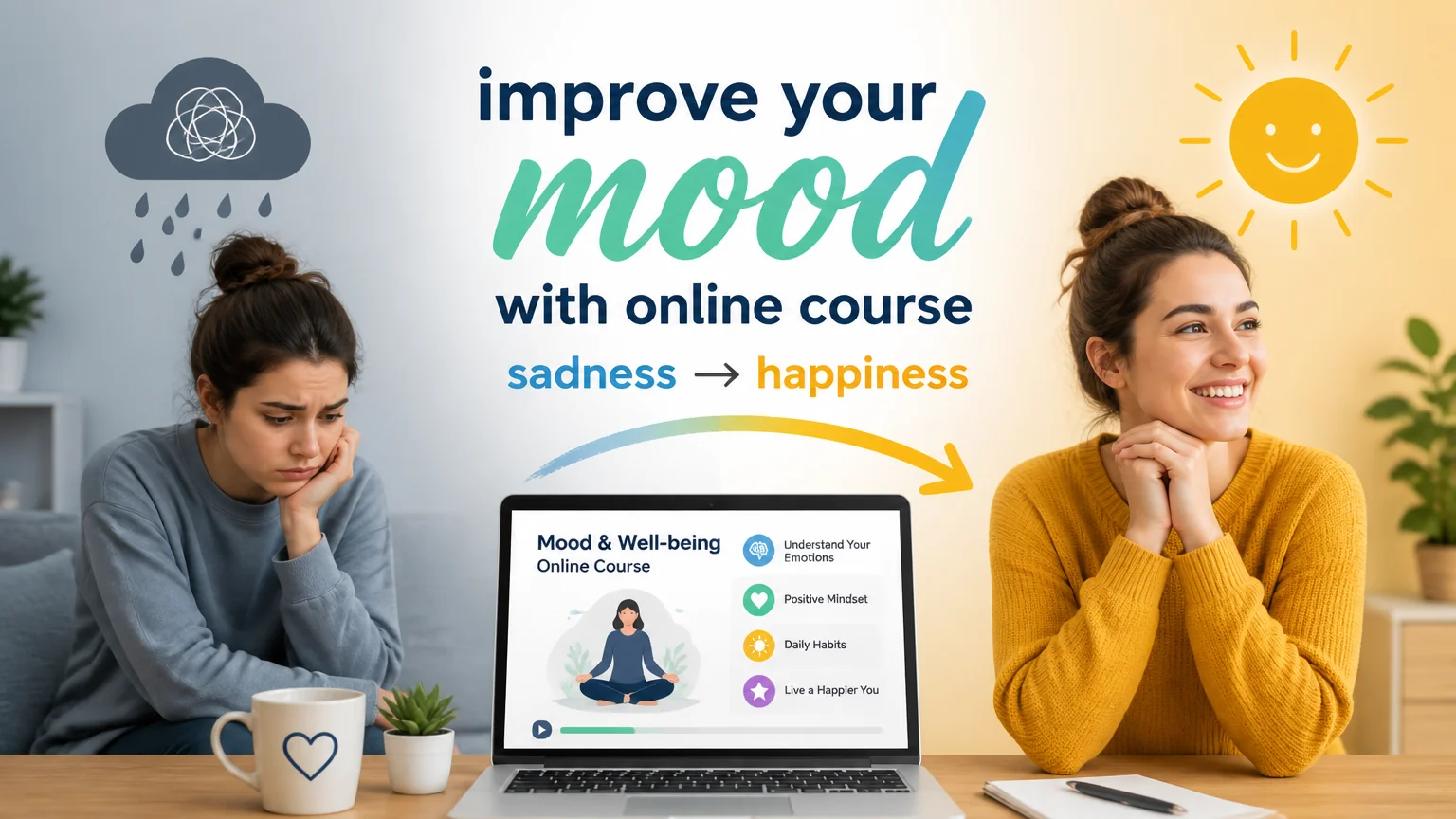
Face problems with techniques from the online course - sadness happiness

onlinecourses55.com For Onlinecourses55 | 2026-10-22
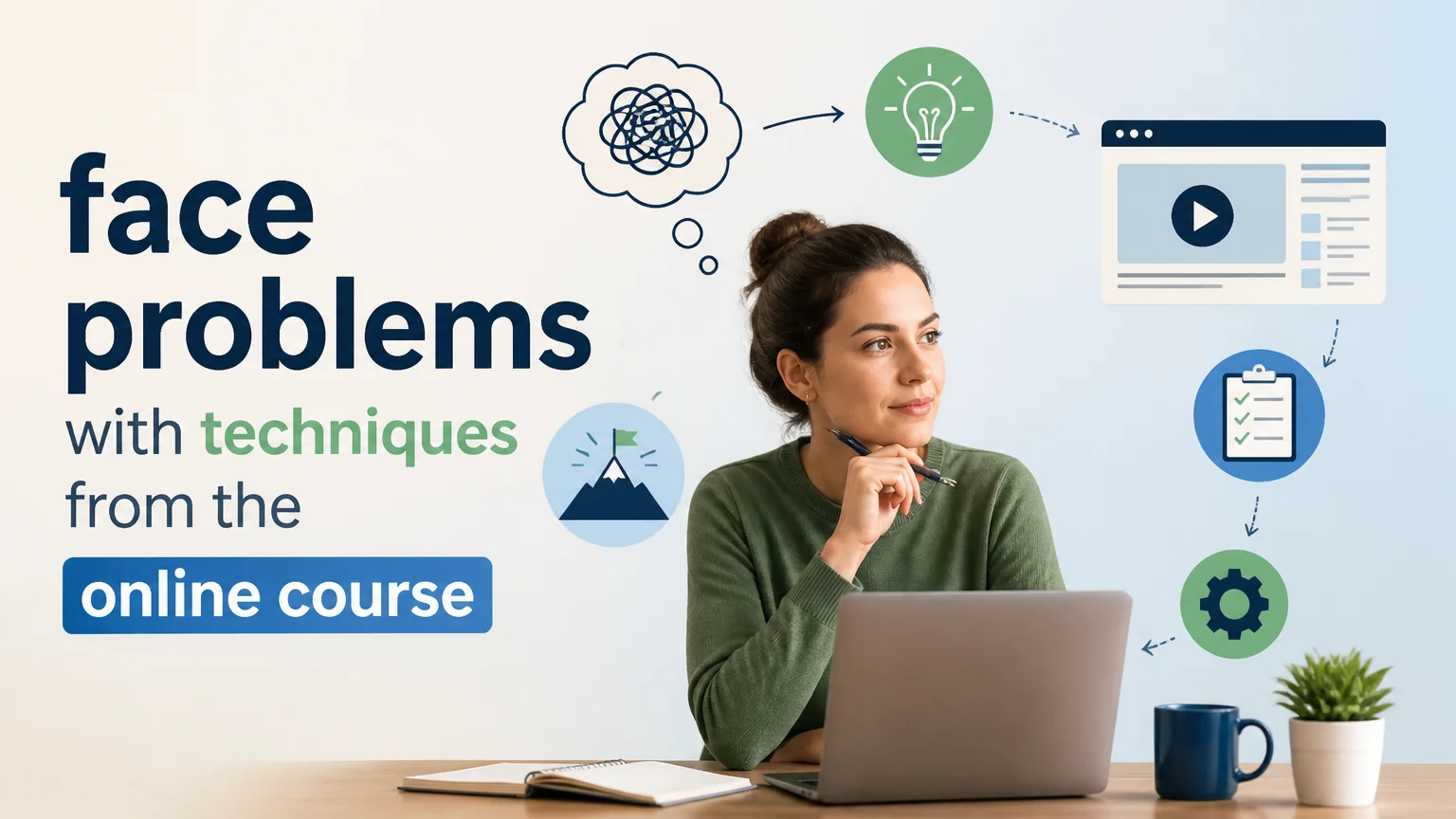
Face problems with techniques from the online course - sadness happiness


Face problems with techniques from the online course - sadness happiness

Unlock the power of online courses to overcome life's pitfalls! Explore a dynamic program designed to navigate emotional difficulties more effectively.

Why Are Online Courses the Key to Solving Challenges?

In life, problems are inevitable. Whether at work, in our personal relationships, or even in our creative projects, we will always encounter obstacles that we must overcome. But what if you had access to a set of proven tools and techniques to face these challenges effectively? That's where online courses come in.

Nowadays, online courses have become an incredibly popular and accessible way to acquire new skills and knowledge. But beyond just learning something new, these courses can provide you with the strategies and mental frameworks needed to tackle problems more systematically and successfully.

1. Clear Problem Identification: The First Fundamental Step

Before diving into solutions, it is crucial to precisely identify the problem we are facing. A common mistake is to attack the symptoms instead of the root of the problem. A good online course will teach you techniques such as:

  • Root Cause Analysis: Digging deep to find the underlying cause of the problem, instead of staying on the surface.
  • The 5 Whys Technique: Asking "why?" repeatedly to get to the main cause.
  • Ishikawa Diagram (Fishbone): Visualizing the possible causes of the problem by grouping them into categories.

2. Breaking Down the Problem into Smaller Parts

Once you have identified the problem, the next step is to break it down into smaller, more manageable components. Often, a problem that seems overwhelming as a whole becomes much easier to tackle when we break it down into parts. An effective online course will provide you with strategies to:

  • Create a Flowchart: Visually representing the steps involved in the problem.
  • Prioritize Components: Identifying the most critical parts of the problem and addressing them first.
  • Set Small, Achievable Goals: Avoiding frustration by focusing on solving small parts of the problem.

3. Research and Information Gathering as Allies

Information is power. Before trying to solve a problem, it is essential to thoroughly research and gather all relevant information. An online course will teach you how to:

  • Use Reliable Information Sources: Learning to distinguish between truthful information and erroneous data.
  • Conduct Interviews: Talking to people who have faced similar problems.
  • Analyze Data and Trends: Looking for patterns that may reveal the cause of the problem.

4. Brainstorming and Generating Innovative Ideas

Once you have a clear understanding of the problem and have gathered relevant information, it's time to generate ideas for possible solutions. An online course will teach you brainstorming techniques such as:

  • Free Brainstorming: Generating as many ideas as possible, without judging their initial feasibility.
  • Brainwriting: Writing ideas on paper and then passing them to others to add their own ideas.
  • SCAMPER: Using a checklist (Substitute, Combine, Adapt, Modify, Put to another use, Eliminate, Reverse) to stimulate creativity.

5. Evaluation and Selection of the Best Solutions

After generating a list of possible solutions, it is crucial to evaluate each one and select the most viable and effective ones. An online course will provide you with tools for:

  • Cost-Benefit Analysis: Evaluating the pros and cons of each solution in terms of costs and benefits.
  • Prioritization Matrix: Ranking solutions based on their impact and ease of implementation.
  • Risk Analysis: Identifying the potential risks associated with each solution and how to mitigate them.

6. Implementation and Follow-up: The Key to Long-Term Success

Once you have selected a solution, the next step is to implement it and track its progress. An online course will teach you how to:

  • Create a Detailed Action Plan: Defining the specific steps needed to implement the solution.
  • Establish Key Performance Indicators (KPIs): Measuring the progress and success of the solution.
  • Make Adjustments and Adaptations: Being willing to modify the solution if it is not working as expected.

7. Digital Tools that Enhance Problem Solving

Many online courses will teach you to use digital tools that can facilitate the problem-solving process, such as:

  • Project Management Software (Asana, Trello): To organize tasks and collaborate with others.
  • Data Analysis Tools (Excel, Google Sheets): To analyze data and find patterns.
  • Communication Platforms (Slack, Microsoft Teams): To communicate and collaborate with others.

8. The Development of Critical and Creative Thinking

Beyond specific techniques, a good online course will help you develop critical and creative thinking skills. This will allow you to:

  • Question Assumptions: Not taking anything for granted and analyzing things from different perspectives.
  • Identify Biases: Being aware of your own biases and how they can affect your decisions.
  • Think Outside the Box: Finding innovative solutions that are not obvious.

9. The Importance of Resilience and Persistence

Problem-solving can often be a frustrating and daunting process. It is important to cultivate resilience and persistence. An online course will teach you how to:

  • Maintain a Positive Attitude: Believing that you can solve the problem.
  • Learn from Mistakes: Seeing mistakes as opportunities to learn and grow.
  • Don't Give Up: Keep trying until you find a solution.

10. Adaptability: The Key to Succeeding in a Constantly Changing World

The world is constantly changing, and the problems we face today may be different from those we will face tomorrow. It is important to be adaptable and willing to learn new things. An online course will provide you with the tools and mindset needed to:

  • Keep Up with the Latest Trends: Learning about new technologies and strategies.
  • Be Open to New Ideas: Being receptive to different perspectives and approaches.
  • Learn Continuously: Never stop learning and growing.

Conclusion: Your Success in Problem-Solving Is Within Your Reach

In summary, online courses offer a valuable opportunity to acquire the skills and techniques needed to tackle problems more effectively and successfully. By learning to clearly identify problems, break them down into smaller parts, research thoroughly, generate innovative ideas, evaluate solutions, and track their progress, you can become an expert problem-solver. Remember, the key to success lies in constant practice, resilience, and adaptability. Start investing in your future today and unlock your potential to overcome any challenge that comes your way!

Become an expert in Sadness happiness!

Learn to cultivate happiness with the comprehensive Certified Course From Sadness to Happiness - Includes 18 topics and 72 hours of study - only $12

EXPLORE THE COURSE NOW

Recent Posts


★