For Onlinecourses55
|
2026-03-12
For Onlinecourses55
|
2026-03-12

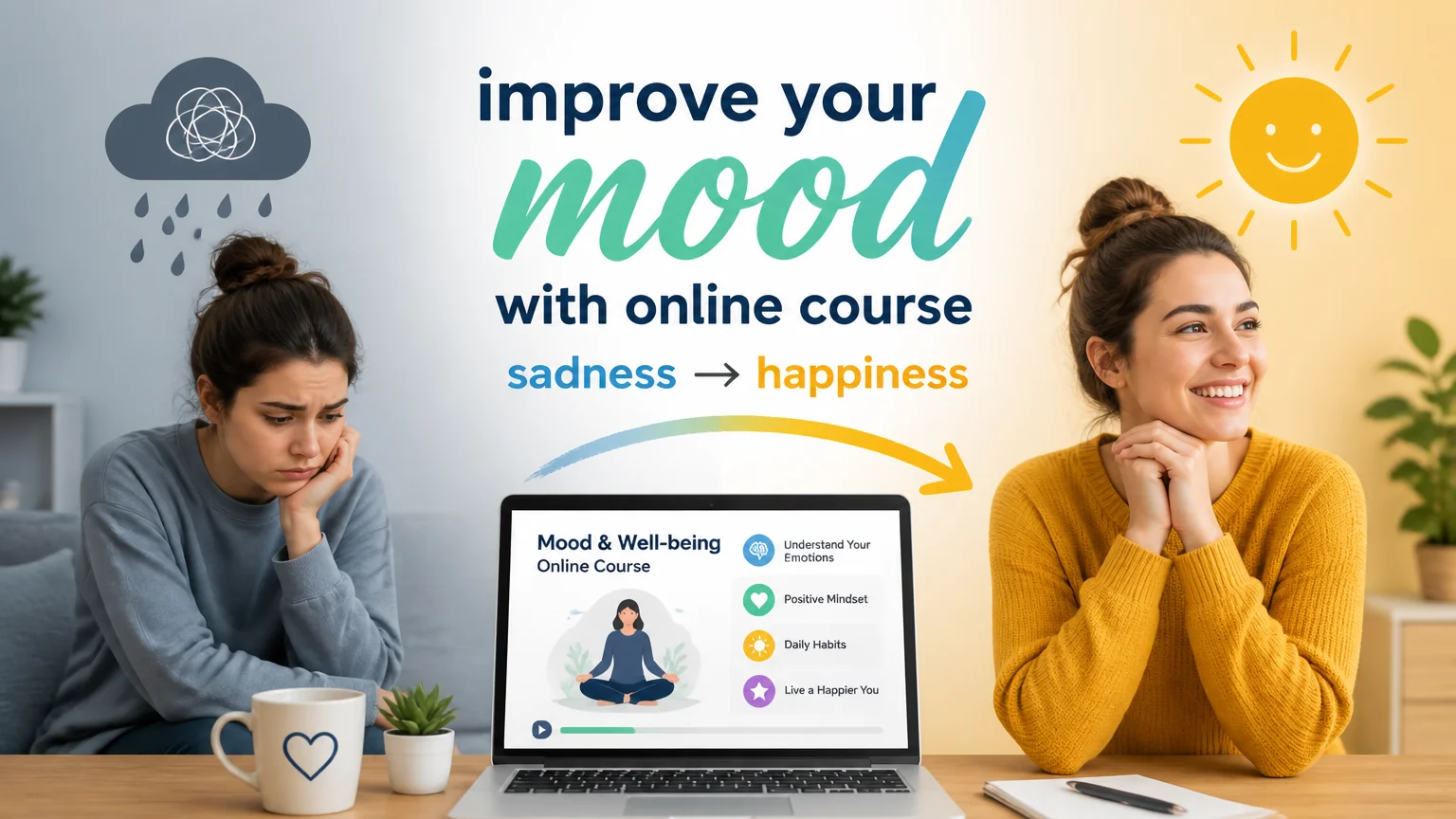
Emotional well-being - sadness happiness
Wondering how to flourish in life? Exploring emotional well-being can lead to profound shifts! Dive into a transformative journey through an insightful course focused on emotional growth today!
Hello! Have you ever wondered why some people seem to navigate life with a constant smile, while others struggle with stress and anxiety? The answer often lies in their emotional well-being, their emotional intelligence, their emotional management skills, and, of course, their self-esteem. In this article, we are going to dive into these concepts, exploring how you can cultivate them to live a fuller and happier life. Prepare for a fascinating journey inward.
Emotional well-being goes far beyond simply "being okay." It is a state of balance and harmony in which you feel capable of facing life's challenges, enjoying your relationships, and pursuing your dreams with confidence and optimism.
Imagine emotional well-being as the foundation of a building. If the foundation is solid, the building (your life) will be able to withstand storms. Good emotional health allows you to manage stress, recover from adversity, and maintain a positive outlook, even when things get tough.
It's not just about not being sad or anxious. Emotional well-being also involves cultivating positive emotions like joy, gratitude, love, and hope. It's like a garden: it's not enough to remove the weeds, you also have to plant flowers and care for them.
Emotional intelligence (EI) is the ability to recognize, understand, use, and manage your own emotions and those of others. Can you imagine the power this gives you in your personal relationships, at work, and in your life in general?
Self-awareness is the cornerstone of EI. It means being conscious of your own emotions, identifying your strengths and weaknesses, and understanding how your emotions influence your behavior. It's like having a map of your own inner world.
Empathy is the ability to put yourself in someone else's place, understand their feelings, and respond compassionately. It's like walking in another person's shoes, which allows you to build deeper and more meaningful relationships. Isn't it incredible to be able to understand what the other person is feeling?
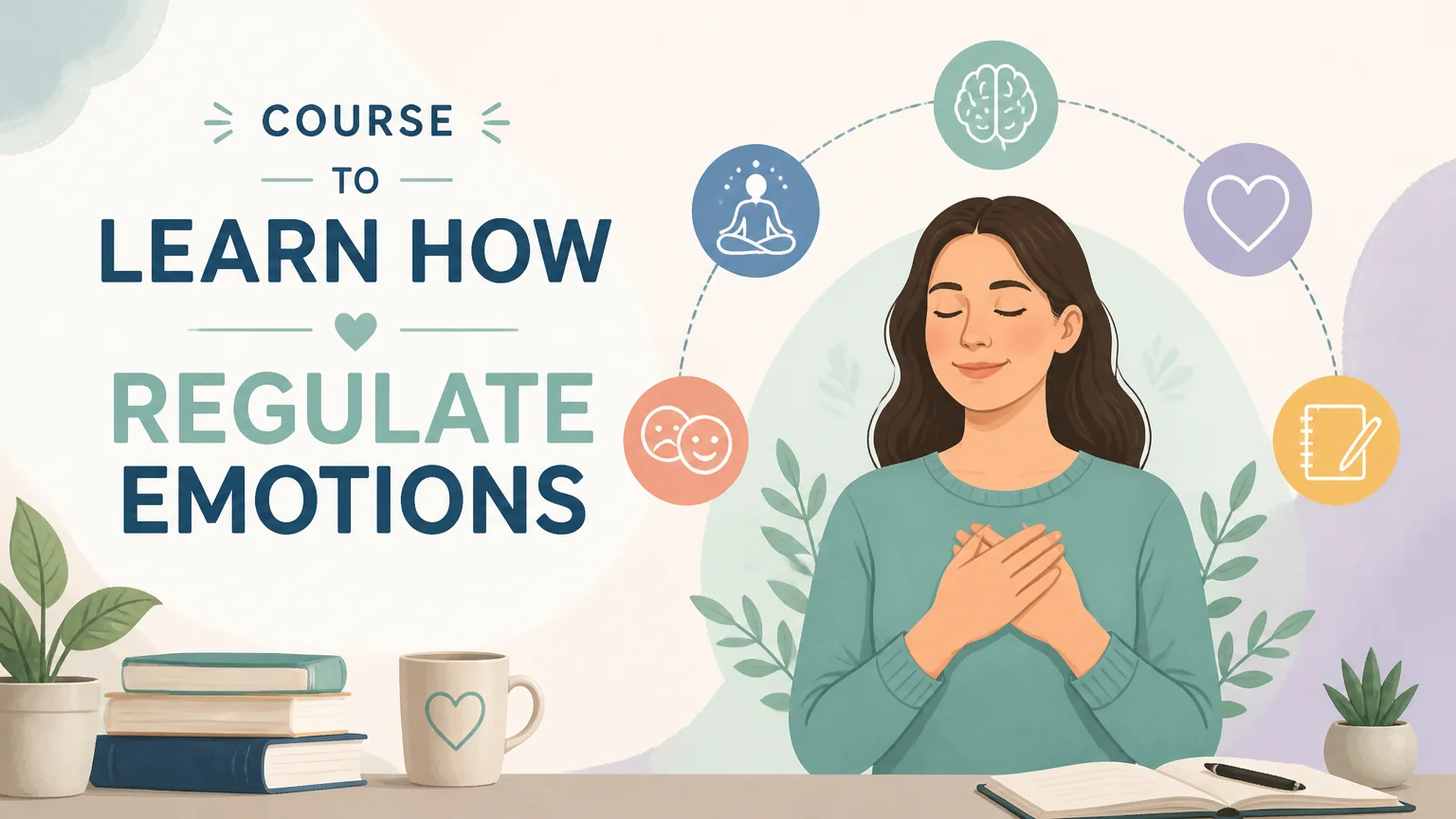
Managing your emotions doesn't mean suppressing or denying them, but learning to regulate them in a healthy way. It's like taming a wild horse: it's not about killing it, but about guiding it.
Emotional triggers are situations, people, or thoughts that set off an intense emotional reaction. Identifying them allows you to anticipate and prepare to handle them more effectively. It's like knowing where the traps are on a path.
There are many techniques you can use to regulate your emotions. Here are two of the most effective ones:
Conscious breathing consists of paying attention to your breath, inhaling and exhaling deeply. This helps you calm down and reduce stress. Imagine you are filling a balloon with air and then slowly emptying it.
Cognitive restructuring involves identifying and challenging the negative or irrational thoughts that contribute to your negative emotions. It's like changing the glasses through which you see the world.
Self-esteem is the value you place on yourself. It is self-love, confidence in your abilities, and respect for yourself. Healthy self-esteem is fundamental to your emotional well-being.
Building solid self-esteem is a gradual process that requires practice and patience. Start by accepting yourself as you are, with your virtues and your flaws. Then, focus on your strengths and celebrate your achievements. It's like building a house, brick by brick.
Limiting beliefs are negative thoughts that prevent you from reaching your potential. Identifying and challenging them allows you to break free from them and build a more positive image of yourself. It's like breaking the chains that bind you.
Emotional well-being, emotional intelligence, emotional management, and self-esteem are interconnected. Integrating them allows you to live a fuller and more satisfying life.
Regular exercise and a healthy diet not only benefit your body, but also your mind. Exercise releases endorphins, which have an antidepressant effect, and good nutrition provides the nutrients your brain needs to function correctly. It's like giving your body and mind the fuel they need.
Mindfulness, or full attention, consists of paying attention to the present moment without judging it. This helps you reduce stress, improve your concentration, and cultivate inner peace. It's like learning to savor every moment of your life.
The path to emotional well-being is a continuous journey. Don't be discouraged if you encounter obstacles along the way. The important thing is to keep learning, growing, and striving to be the best version of yourself. You can do it!
1. What can I do if I feel overwhelmed by my emotions? Start by breathing deeply and removing yourself from the situation that is causing you stress. Try to identify the emotion you are feeling and look for the cause. Then, use relaxation techniques like meditation or yoga. If the problem persists, seek help from a professional.
2. How can I improve my emotional intelligence at work? Practice active listening, try to understand your colleagues' perspectives, be aware of your own emotions, and learn to communicate effectively. Participate in emotional intelligence workshops or courses.
3. Is it possible to change my self-esteem if I have had negative experiences in the past? Absolutely! Although it can be a challenging process, it is entirely possible. Seek the support of a therapist or counselor, work on identifying and challenging your limiting beliefs, and focus on your strengths and achievements.
4. What role does gratitude play in emotional well-being? Gratitude is a powerful emotion that helps you focus on the positive in your life. Practicing gratitude regularly can improve your mood, reduce stress, and strengthen your relationships. Keep a gratitude journal or simply dedicate a few minutes each day to think about the things you are grateful for.
5. How long does it take to see results when working on my emotional well-being? There is no single answer to this question. It depends on many factors, such as your starting point, your level of commitment, and the techniques you use. Some people see results in weeks, while others need months. The important thing is to be consistent and patient with yourself. Remember that every small step counts.
Search
Popular searches