For Onlinecourses55
|
2026-04-23
For Onlinecourses55
|
2026-04-23

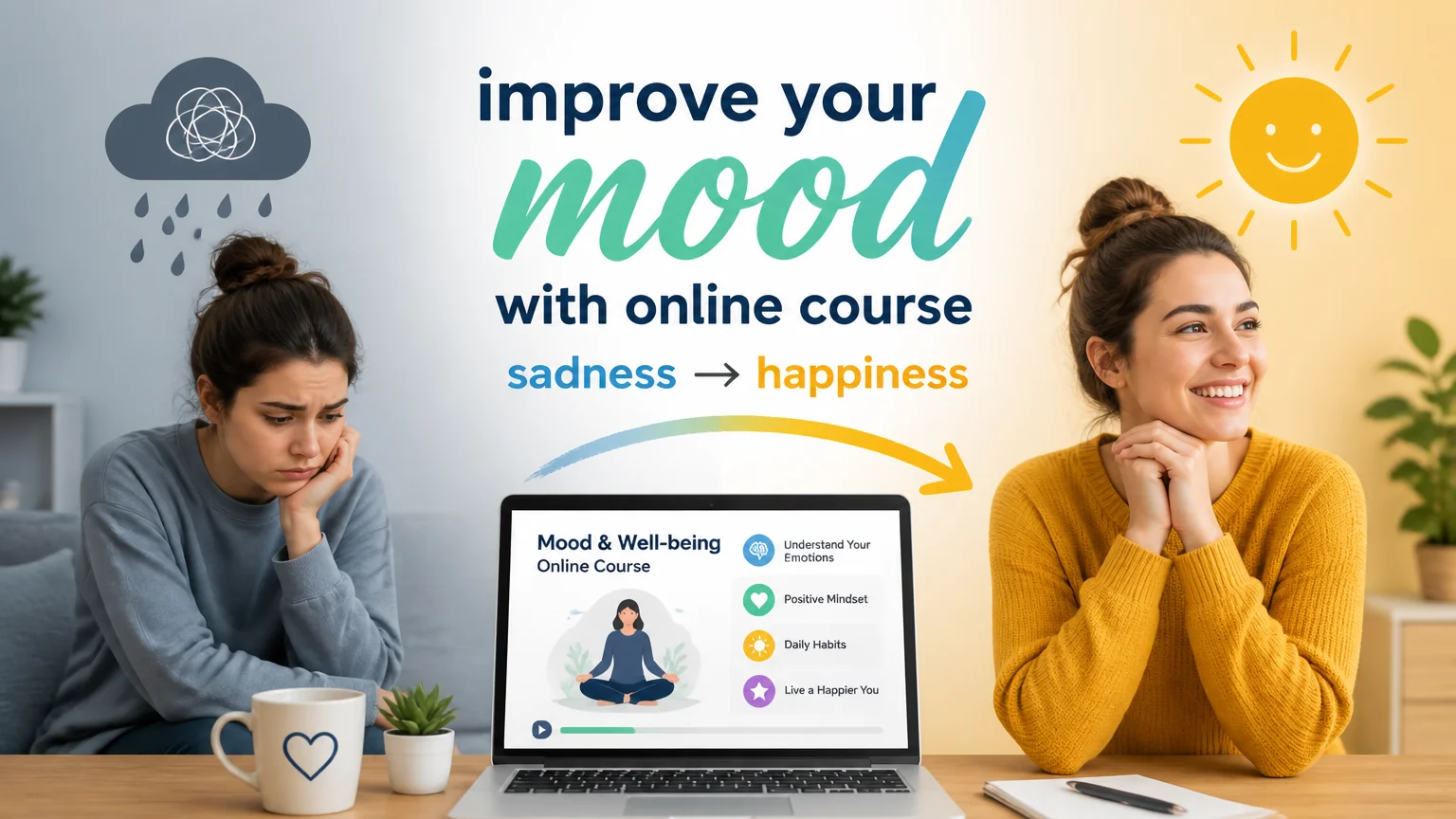
What are the benefits of emotional intelligence? - sadness happiness
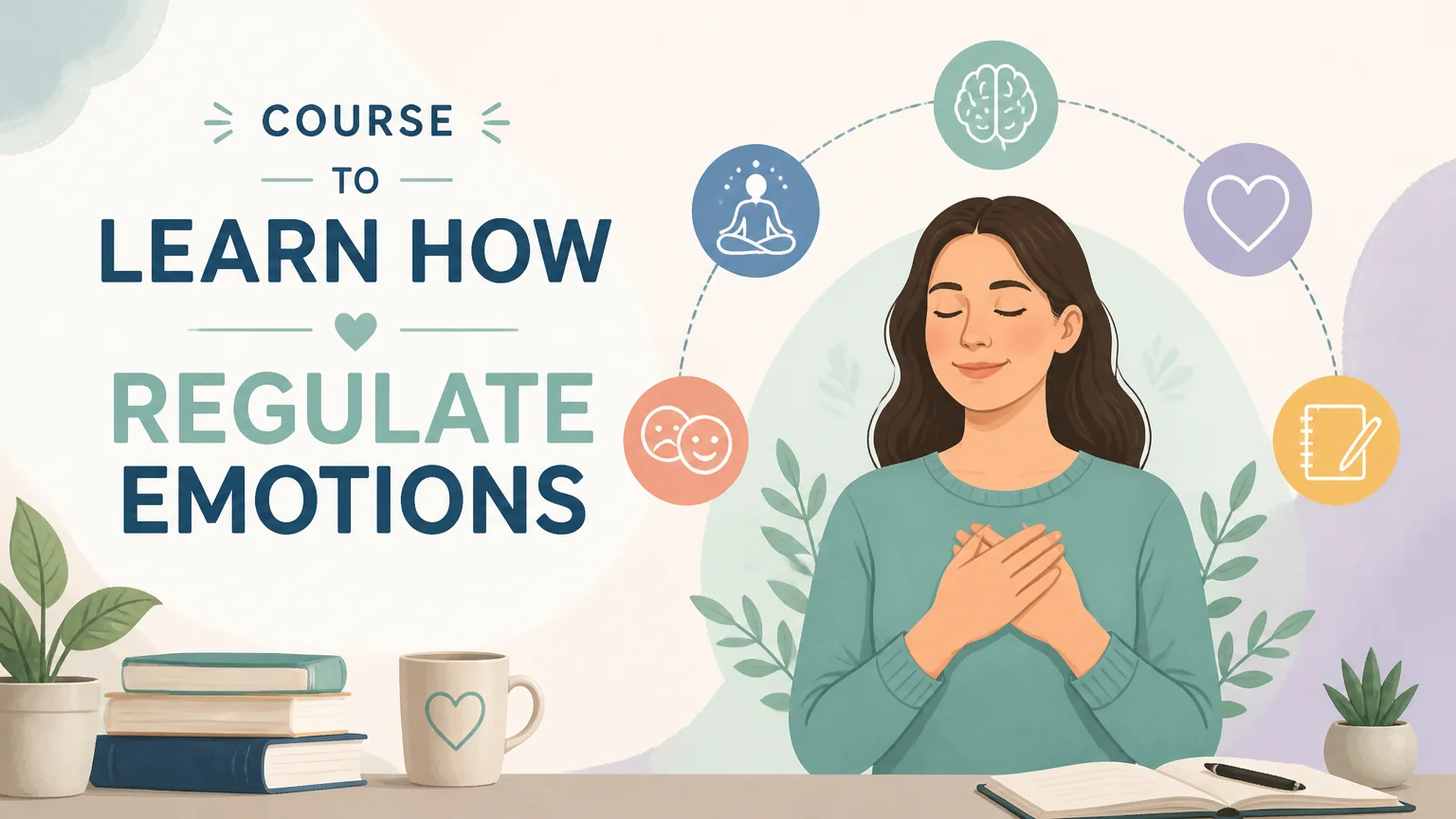
Building emotional intelligence is critical, and participating in an enriching course on this vital skill can enhance your overall wellbeing and relationships.
Emotional intelligence, a concept that has gained prominence in recent years, is not just a passing fad. It is a fundamental skill that influences how we relate to ourselves and others, directly impacting our well-being, professional success, and quality of life. But what specific benefits does developing this ability bring us? In this article, we will explore in depth the advantages of cultivating emotional intelligence and how you can start applying it in your daily life.
The foundation of any solid relationship lies in understanding and managing emotions. Emotional intelligence allows you to identify your own emotions and those of others, which facilitates empathy and effective communication. Imagine being able to truly understand how your partner, friend, or coworker feels, instead of reacting impulsively. This capacity for authentic connection transforms your relationships, making them deeper, more meaningful, and more satisfying. Learning to listen actively, validate others' emotions, and express your own feelings clearly and respectfully are crucial skills that develop with emotional intelligence.
In today's busy world, stress and anxiety have become constant companions. Emotional intelligence provides you with the tools to manage these emotions effectively. By recognizing the signs of stress in your body and mind, you can take proactive measures to prevent them from overwhelming you. Techniques such as emotional self-regulation, mindful breathing, and cognitive restructuring help you maintain calm and clarity even in high-pressure situations. Instead of reacting with panic or frustration, you can approach challenges with serenity and confidence.
Self-awareness is the fundamental pillar of emotional intelligence. It involves understanding your own strengths, weaknesses, values, and beliefs. When you know yourself on a deep level, you can make more informed decisions aligned with your goals. You know what motivates you, what frustrates you, and how you react to different situations. This self-understanding allows you to be more authentic and congruent in your actions, which in turn generates a greater sense of well-being and personal satisfaction. Self-awareness also helps you identify your patterns of thought and behavior, allowing you to break negative cycles and create healthier habits.
Emotional intelligence is a key ingredient for professional success. In today's work environment, soft skills such as communication, collaboration, conflict resolution, and leadership are increasingly valued. Emotional intelligence provides you with these skills, allowing you to work effectively in a team, motivate your colleagues, manage stress at work, and solve problems creatively. Leaders with high emotional intelligence are able to inspire trust, foster a positive work environment, and guide their teams to success.
Emotions can cloud our judgment and lead us to make impulsive or irrational decisions. Emotional intelligence helps you recognize how emotions influence your decision-making process. By separating your emotions from the facts, you can analyze the situation with greater clarity and objectivity. This allows you to consider different perspectives, evaluate the risks and benefits, and make more informed and rational decisions. Emotional intelligence also helps you anticipate the consequences of your decisions and learn from your mistakes.
Life is full of ups and downs, and resilience is the ability to recover from adversity. Emotional intelligence provides you with the tools to manage your emotions during difficult times. By recognizing and accepting your feelings of sadness, frustration, or disappointment, you can process them in a healthy way and prevent them from paralyzing you. Emotional intelligence also helps you find meaning and purpose in difficult experiences, which allows you to learn and grow from them.
Motivation is the engine that drives our actions and helps us achieve our goals. Emotional intelligence helps you identify your values and passions. By connecting with your positive emotions, such as joy, hope, and enthusiasm, you can stay motivated even when you face obstacles. Emotional intelligence also helps you set realistic and achievable goals, which gives you a sense of progress and accomplishment.
There is an undeniable connection between the mind and the body. Chronic stress and negative emotions can have a negative impact on our physical health, increasing the risk of cardiovascular diseases, digestive problems, and other disorders. Emotional intelligence helps you manage stress and negative emotions, which in turn strengthens your immune system and reduces the risk of illness. By cultivating positive emotions, such as gratitude, love, and joy, you can improve your overall well-being and prolong your life.
Creativity is the ability to generate new and original ideas. Emotional intelligence helps you unleash your creative potential. By recognizing and managing your fears and insecurities, you can feel more comfortable taking risks and exploring new possibilities. Emotional intelligence also helps you connect with your intuition and trust your instincts. By allowing yourself to feel and express your emotions, you can access an inexhaustible source of inspiration.
Self-esteem and self-confidence are fundamental to our well-being and personal success. Emotional intelligence helps you develop a positive self-image. By recognizing your strengths and achievements, you can feel proud of who you are. Emotional intelligence also helps you accept your imperfections and learn from your mistakes. By believing in yourself and your abilities, you can overcome your fears and achieve your goals.
The development of emotional intelligence is a continuous process that requires practice and dedication. Some strategies you can implement are:
Practice self-awareness: Keep an emotion journal, reflect on your reactions, and seek feedback from trusted people.
Learn to manage your emotions: Use relaxation techniques, practice mindful breathing, and seek professional help if necessary.
Develop your empathy: Actively listen to others, try to understand their perspective, and validate their emotions.
Improve your communication skills: Express your feelings clearly and respectfully, learn to resolve conflicts constructively, and practice active listening.
Be patient with yourself: Developing emotional intelligence takes time and effort. Don't be discouraged if you make mistakes, just learn from them and move on.
In conclusion: Emotional intelligence is not a luxury, but a necessity in today's world. The benefits of developing this skill are innumerable and cover all aspects of our lives. From improving our interpersonal relationships to increasing our work performance and improving our physical health, emotional intelligence provides us with the tools to live a fuller, more meaningful, and successful life. Invest in your emotional intelligence and discover the transformative power of your emotions. You won't regret it.
Search
Popular searches