For Onlinecourses55
|
2026-04-28
For Onlinecourses55
|
2026-04-28

5 silent signs that there is workplace harassment on your team - sexual harassment work
Recognizing and addressing subtle workplace harassment is vital for everyone involved. Equip yourself with the knowledge you need by enrolling in our essential training course on workplace harassment prevention to create a safer environment for everyone.
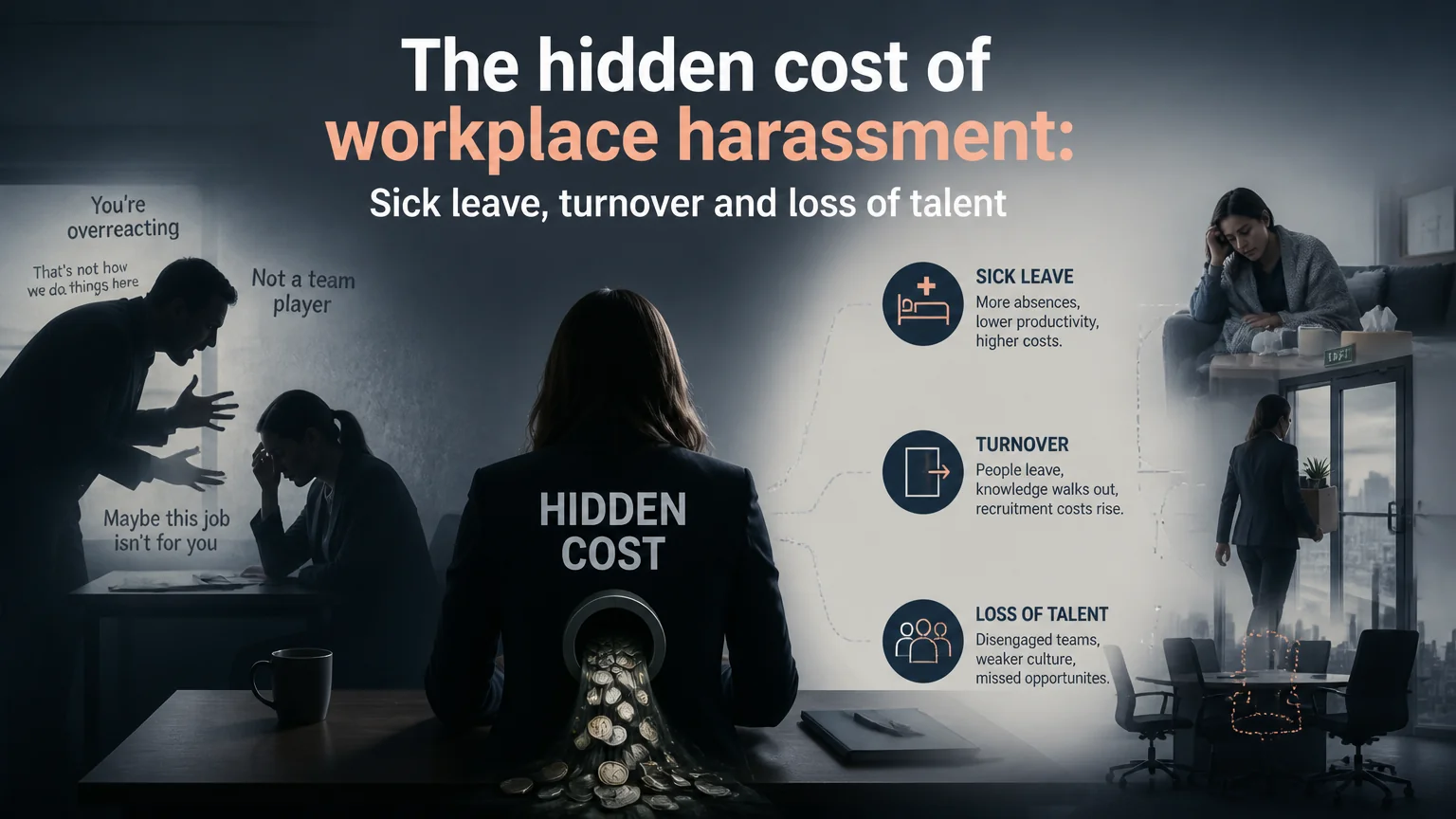
Workplace harassment, also known as *mobbing*, is an insidious reality that can erode a team's morale and deeply damage the mental and physical health of its members. Often, harassment does not appear overtly; instead, it hides behind subtle behaviors and seemingly harmless attitudes.
As a leader or team member, it's crucial to be alert to these "silent signs" so you can intervene in time and protect your coworkers.
This article will provide you with the necessary tools to identify these signs, understand their possible causes and consequences, and take proactive measures to prevent workplace harassment in your environment.
Exclusion and isolation are common tactics in workplace harassment. It's not always about direct, overt rejection, but rather small actions that, when added up, leave the victim feeling marginalized and outside the group.
How does it manifest? They avoid inviting the person to informal meetings, lunches, or activities outside of work. Their opinions are ignored or minimized during discussions. Rumors or gossip circulate behind their back, creating an atmosphere of distrust. Tasks are assigned that isolate them from the rest of the team, such as working alone on low-profile projects.
What to do? Foster a culture of inclusion and participation within the team. Encourage everyone to involve their colleagues in activities and to value their opinions. Watch for anyone being systematically excluded and address the situation directly with the team, reminding them of the importance of respect and collaboration.
A healthy work environment implies constructive feedback, but when criticism becomes constant, personal, and disproportionate, it can be a sign of workplace harassment. The goal is to undermine the victim's self-esteem and confidence.
How does it manifest? Their mistakes are constantly criticized, even the smallest ones. They are blamed for mistakes that are not theirs. They are negatively compared to other colleagues. Their work or ideas are ridiculed publicly. They are expected to meet an unattainable level of perfection.
What to do? Establish clear channels for constructive feedback. Ensure that criticism is specific, objective, and focused on performance, not the person. If you observe someone being subjected to excessive criticism, intervene and defend the person being unfairly attacked. Promote a culture of support and learning, where mistakes are seen as opportunities for growth.
The spread of malicious rumors and defamation are cowardly tactics aimed at damaging the victim's reputation and creating a hostile environment.
How does it manifest? False rumors about their personal or professional life are spread. They are accused of inappropriate or illegal behavior without evidence. Their integrity and competence are questioned. Confidential information about their employment situation is disclosed.
What to do? Cut off the spread of rumors at the root. Reinforce confidentiality and respect policies in the workplace. If you witness defamation, report the situation to those responsible in human resources or to management. Offer support to the victim and help them defend themselves against false accusations.
Workplace harassment can manifest either as a deliberate overload of work, aiming for exhaustion and mistakes, or by assigning insignificant tasks or work below the person's capabilities, generating frustration and demotivation.
How does it manifest? They are assigned an excessive amount of work with impossible deadlines. They are given repetitive and meaningless tasks. They are deprived of important responsibilities. They are prevented from participating in relevant projects. They are ignored when decisions affecting their work are made.
What to do? Analyze the distribution of work within the team. Make sure each person has a balanced workload and tasks that allow them to develop their skills. Encourage open communication about difficulties in meeting task demands. If you observe someone being deliberately overloaded or underutilized, intervene and redistribute responsibilities fairly.
A sudden and unexplained change in how a person is treated can indicate that something is wrong. Sometimes, harassment manifests in small variations in body language, tone of voice, or frequency of communication.
How does it manifest? Others avoid making eye contact with them. They are responded to curtly or rudely. They are ignored when speaking. They are excluded from conversations. Important information is communicated to them late or incompletely.
What to do? Pay attention to team dynamics. Notice if someone is being treated differently from the rest. If you suspect there is a problem, speak with the affected person privately and offer your support. Encourage them to report the situation if they feel harassed.
Search
Popular searches