Prevention of psychosocial risks: the role of the course on harassment - sexual harassment work
Uncovering psychosocial risks can significantly improve your workplace culture. Enhance your company’s resilience by engaging in our critical training on workplace harassment and psychosocial risks to safeguard mental health.
What are Psychosocial Risks and Why are They Important?
Psychosocial risks are those conditions present in a work situation that are directly related to the organization, the content of the work and the execution of the task, and that have the capacity to affect both the well-being or health (physical, psychological or social) of workers and the development of the work. In other words, they are the negative consequences that arise from poor work organization, deficient communication, or a toxic work environment. Ignoring these risks can lead to increased stress, anxiety, depression, absenteeism, and even more serious illnesses.
In today's increasingly complex and demanding work environment, the identification and prevention of psychosocial risks have become a priority for companies that seek to ensure their employees' well-being and improve their productivity. Investing in the mental and emotional health of workers is not only ethical, but also profitable in the long term.
Workplace Harassment: A Destructive Psychosocial Risk
Workplace harassment, also known as *mobbing*, is a specific and particularly harmful form of psychosocial risk. It is defined as repeated exposure over time to negative and hostile behaviors at work by one or more individuals toward another, with the aim of humiliating, destabilizing and isolating the victim.
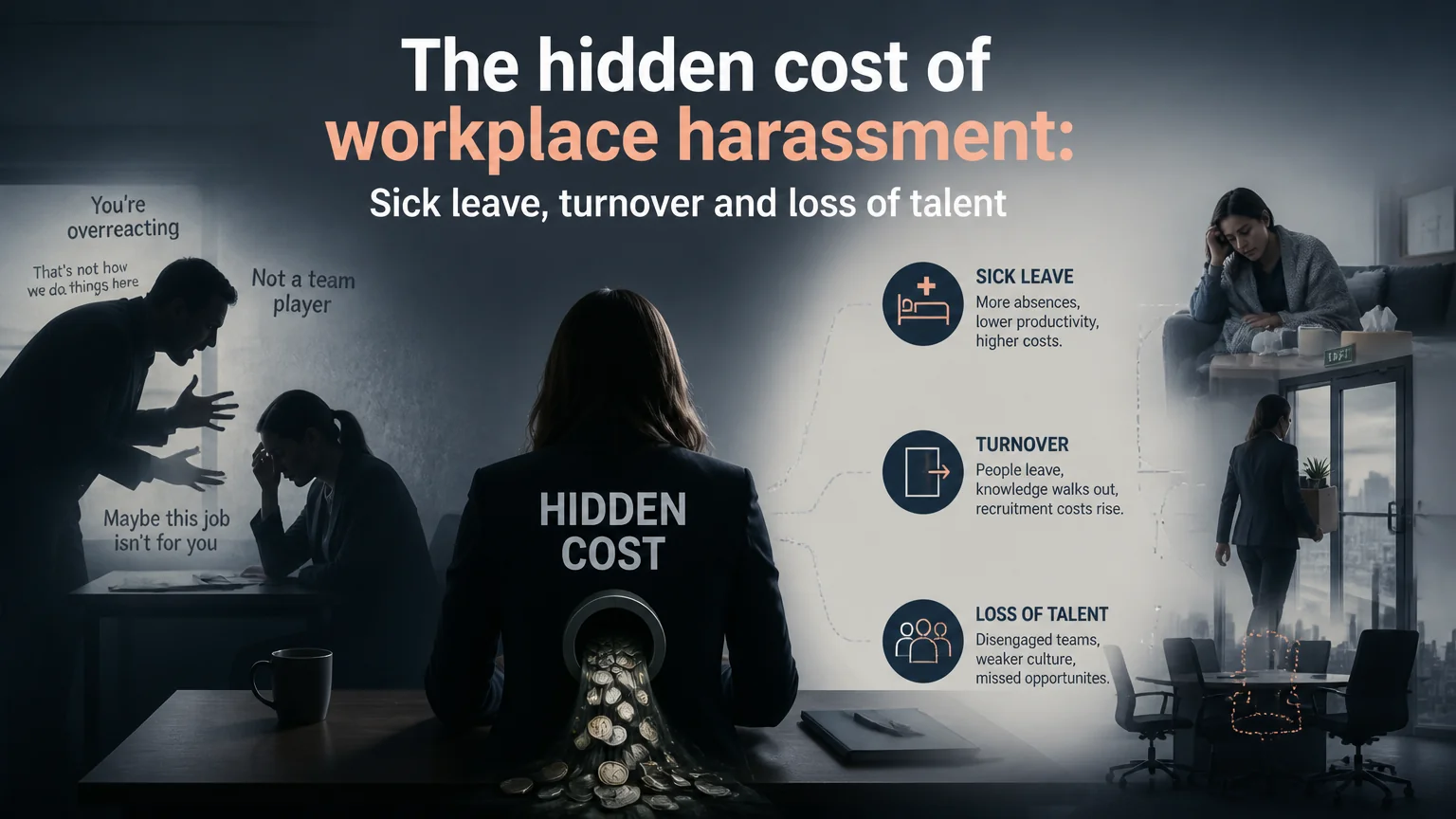
The consequences of workplace harassment are devastating both for the victim, who may suffer severe mental and physical health problems, and for the company, which sees its productivity diminished, absenteeism increase and the work climate deteriorate. It is essential to recognize the signs of workplace harassment and act quickly and effectively to prevent and eradicate it.
Why is a Workplace Harassment Course Essential in the Prevention of Psychosocial Risks?
A workplace harassment course becomes an essential tool for several reasons:
- Awareness and Sensitization: It educates employees and managers about what workplace harassment is, how it manifests and what its consequences are. It helps identify behaviors that may be considered harassment, even if they are unintentional.
- Legal Framework: It provides information about current legislation on workplace harassment, both at national and international levels. This helps companies comply with their legal obligations and avoid possible sanctions.
- Prevention Tools: It offers strategies and practical tools to prevent workplace harassment, such as the creation of action protocols, the implementation of codes of conduct, and the promotion of an organizational culture based on respect and tolerance.
- Intervention Skills: It trains employees and managers to intervene effectively in situations of workplace harassment, whether they are victims, witnesses or alleged harassers. It provides them with the necessary skills to report, investigate and resolve these types of conflicts fairly and equitably.
- Improvement of the Work Climate: By promoting a culture of respect and tolerance, a workplace harassment course contributes to improving the work climate, increasing employee satisfaction and reducing stress.
Benefits of Implementing a Workplace Harassment Prevention Program with a Course
Beyond legal obligation, implementing a workplace harassment prevention program that includes a course offers numerous benefits for the company:
- Reduction of Absenteeism: A safer and healthier work environment reduces stress and anxiety, which in turn decreases absenteeism.
- Increase in Productivity: Employees who feel safe and valued are more productive and creative.
- Improvement of Corporate Image: A company that cares about the well-being of its employees projects a positive image, which attracts new talent and customers.
- Decrease in Legal Costs: Preventing workplace harassment avoids costly litigation and sanctions.
- Employee Retention: A good work environment increases employee satisfaction, which reduces staff turnover and saves hiring and training costs.
How to Choose the Right Workplace Harassment Course?
When choosing a workplace harassment course, it is important to take the following factors into account:
- Relevant and Updated Content: The course should cover the legal, psychological and organizational aspects of workplace harassment, and be updated with the latest trends and regulations.
- Participatory and Dynamic Methodology: The course should use methodologies that encourage the active participation of students, such as case studies, simulations, role-playing and debates.
- Qualified and Experienced Instructors: Instructors should be experts in the field, with experience in the prevention and management of workplace harassment.
- Flexibility and Adaptability: The course should adapt to the specific needs of the company, both in terms of content and schedule and modality (in-person, online or blended).
- References and Accreditations: It is advisable to choose a course that has good references and accreditations from organizations recognized in the field of occupational risk prevention.
 For Onlinecourses55
|
2026-03-14
For Onlinecourses55
|
2026-03-14