For Onlinecourses55
|
2026-10-10
For Onlinecourses55
|
2026-10-10
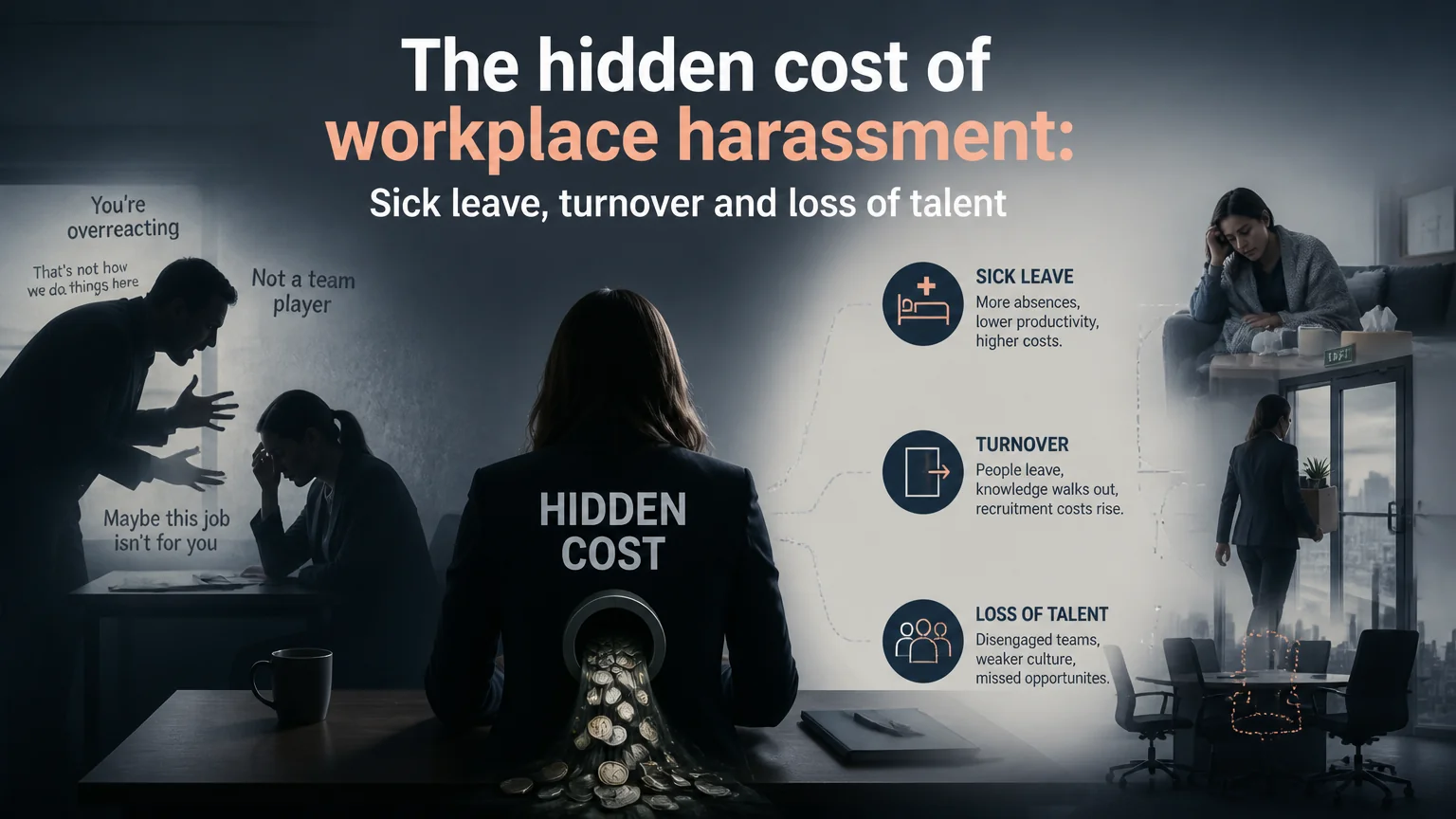
The hidden cost of workplace harassment: sick leave, turnover and loss of talent - sexual harassment work
Workplace harassment has hidden costs that can affect your business. Reduce these risks by engaging in our important training on recognizing and addressing workplace harassment effectively.
Workplace harassment, also known as mobbing, is a serious problem that affects an alarming number of workers worldwide. Beyond the individual suffering it causes, workplace harassment generates significant hidden costs for companies, which often go unnoticed until the damage is considerable.
Workplace harassment is not limited to a simple conflict between coworkers. It is defined as a repeated and prolonged exposure over time to negative, hostile, or humiliating behaviors by one or more people toward a worker in the workplace. These behaviors can take various forms:
It is crucial to distinguish workplace harassment from isolated incidents of stress or professional disagreements. Mobbing is characterized by its systematic and persistent nature.
One of the most evident costs of workplace harassment is the increase in absenteeism. Victims of harassment often experience high levels of stress, anxiety, depression, and even physical disorders. These conditions can lead to prolonged sick leave, which results in decreased productivity and increased costs associated with replacing the worker.
Furthermore, workplace harassment can lead to more serious mental health problems, such as burnout syndrome or post-traumatic stress disorder (PTSD), which require medical and psychological treatment, further increasing costs for the company, whether through health insurance or due to reduced work performance once the employee returns.
Workplace harassment is an important factor contributing to high staff turnover. Workers who suffer harassment often feel forced to leave their jobs to protect their physical and mental health. This constant turnover generates significant costs for the company, including:
Additionally, the loss of valuable talent can negatively affect the company's innovation and competitiveness.
Even when victims of workplace harassment do not take leave or leave the company, their productivity is significantly affected. The stress and anxiety generated by harassment make it difficult to concentrate, make decisions, and collaborate with colleagues. This can lead to errors, delays, and an overall decrease in work performance.
Moreover, workplace harassment creates a toxic work environment that affects the morale of all employees, not just the victims. Fear, distrust, and lack of motivation can spread quickly, negatively impacting the team's productivity and creativity.
Workplace harassment can have legal consequences for companies. Victims may file complaints with the competent authorities, such as the Labor Inspectorate or the courts. If it is proven that harassment occurred, the company may be ordered to pay compensation for damages, in addition to having to implement measures to prevent and eradicate harassment in the workplace.
The litigation related to workplace harassment can be costly, not only in economic terms but also in terms of reputation. A damaged public image can negatively affect the company's ability to attract and retain talent, as well as to acquire new clients.
The best way to minimize costs associated with workplace harassment is to prevent it. Companies should implement clear policies against harassment, provide training to employees on how to identify and prevent harassment, and establish safe and confidential reporting mechanisms.
It is essential that companies thoroughly investigate all complaints of workplace harassment and take disciplinary measures against the harassers. It is also important to offer support to victims and help them recover from the harm suffered.
Search
Popular searches