LOGIN

REGISTER
Searcher

Indicators of sexual harassment in office environments: don't let it pass - sexual harassment work

onlinecourses55.com

ByOnlinecourses55

2026-05-28
Indicators of sexual harassment in office environments: don't let it pass - sexual harassment work


Indicators of sexual harassment in office environments: don't let it pass - sexual harassment work

Sexual harassment in the workplace is a persistent and harmful problem that affects employee morale, productivity, and overall well-being. Recognizing indicators of sexual harassment is crucial to creating a safe and respectful work environment. This comprehensive guide will provide you with the information necessary to identify, prevent, and address sexual harassment in the office.

What Is Sexual Harassment in the Workplace? (Definition and Types)

Sexual harassment in the workplace encompasses a wide range of unacceptable behaviors that create a hostile and discriminatory environment. Legally, it is defined as any unwanted sexual behavior that unreasonably interferes with an individual's job performance or creates an intimidating, offensive, or hostile work environment. It is important to understand that sexual harassment is not limited to physical acts; it can also manifest verbally, nonverbally, and even through digital means.

  • Quid Pro Quo Harassment: It occurs when an employee receives a workplace benefit (such as a promotion, a salary increase, or job security) in exchange for sexual favors, or is threatened with negative consequences (such as loss of employment) if they reject such advances.
  • Hostile Work Environment Harassment: It is created when unwanted sexual behavior is so severe or persistent that it alters an individual's terms of employment and creates an abusive work environment. This type of harassment may include sexist jokes, lewd comments, displaying pornographic material, or unwanted touching.

Key Indicators of Sexual Harassment: Recognizing Warning Signs

Detecting sexual harassment requires careful observation and a clear understanding of unacceptable behaviors. While every situation is unique, there are certain common indicators that may suggest the presence of sexual harassment. It is important to remember that the victim will not always report the harassment immediately, so it is essential to be alert to the following signs:

  • Sexist Comments or Jokes: Watch for a pattern of remarks or jokes that demean individuals because of their gender, sexualize employees, or perpetuate negative stereotypes.
  • Lascivious Stares or Inappropriate Gestures: Pay attention to persistent, unwanted staring as well as gestures that imply sexual advances or are intrusive.
  • Unwanted Touching: Any unsolicited physical contact, such as inappropriate hugs, pats on the back, or intentional brushing, is a clear sign of sexual harassment.
  • Inappropriate Questions about Personal Life: Persistently questioning an employee about their sexual life, relationships, or personal preferences is a form of harassment.
  • Persistent Invitations to Dates or Social Activities: If an employee repeatedly declines invitations to dates or social activities and the invitations continue, this may constitute harassment.
  • Displaying Offensive Material: Showing images, videos, or text messages with sexually suggestive or pornographic content in the workplace creates a hostile environment.
  • Intimidation or Implicit Threats: Creating an environment where the employee feels that their job or professional advancement depends on their willingness to tolerate or engage in unwanted sexual behavior.
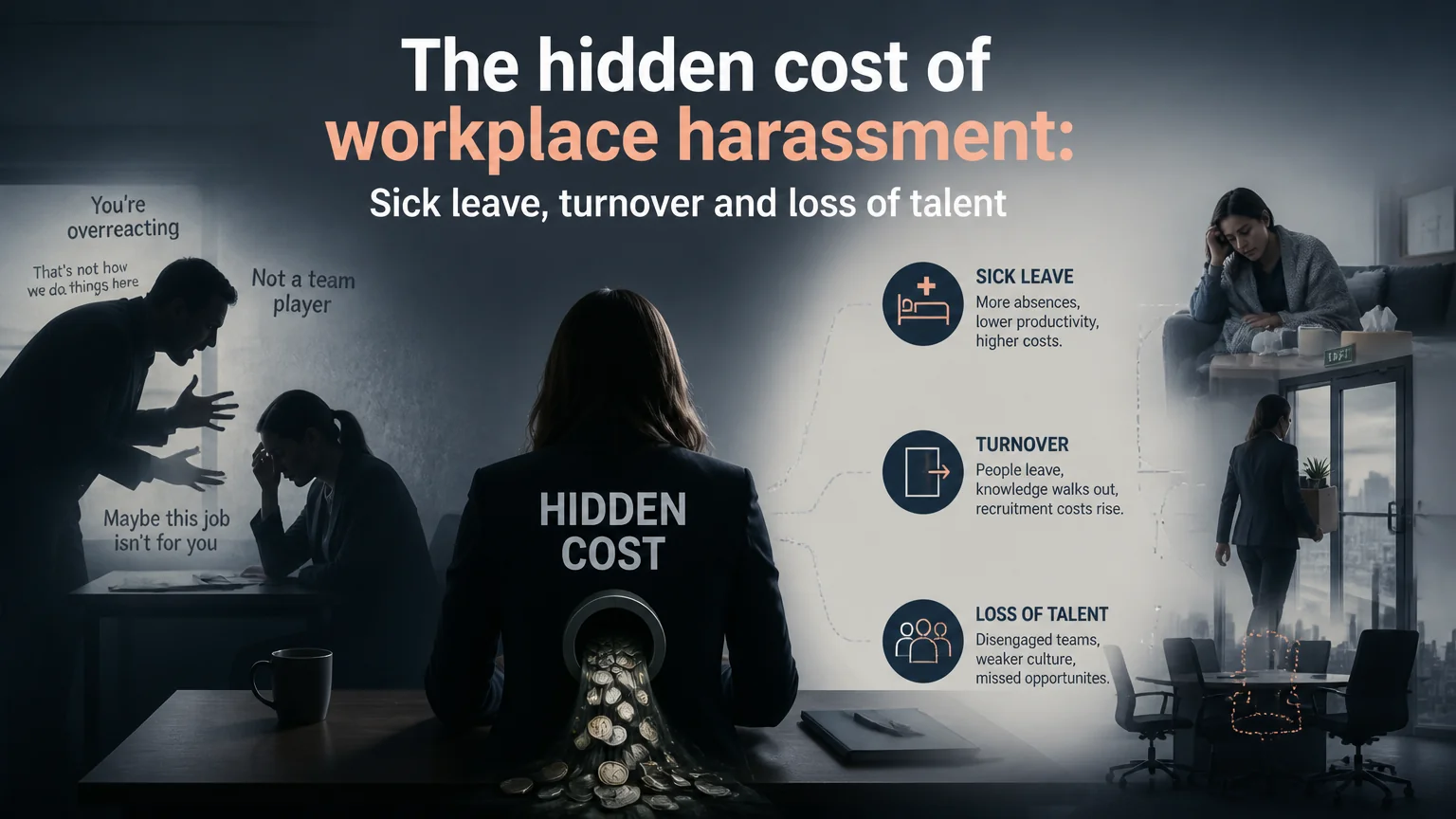
  • Changes in the Victim's Behavior: Notice if the person becomes more withdrawn, anxious, irritable, or shows a decline in job performance. Sometimes the victim avoids certain areas or people at work.

The Role of Bystanders and Organizational Culture in Preventing Harassment

Bystanders play a key role in preventing and eradicating sexual harassment. If you witness an incident of harassment, consider intervening if you feel safe doing so. Offer support to the victim and encourage reporting the harassment to the appropriate channels. Organizational culture also plays a crucial role. Companies should establish clear policies against sexual harassment, provide regular training to employees on how to identify and prevent harassment, and create an environment where complaints are taken seriously and investigated thoroughly. A culture that promotes respect, equality, and accountability is essential to prevent sexual harassment.

What to Do If You Are a Victim of Sexual Harassment? (Steps to Take)

If you are a victim of sexual harassment at work, it is important to know that you are not alone and that you have options. Here are some steps you can take:

  1. Document the Incidents: Keep a detailed record of each harassment incident, including the date, time, location, the name of the harasser, and an accurate description of what occurred. Save copies of any emails, text messages, or communications related to the harassment.
  2. Report the Harassment to Your Company: File a formal complaint with the human resources department or the person designated to receive harassment complaints. Follow your company's established procedures for filing complaints.
  3. Seek Support: Talk to a trusted friend, a family member, a counselor, or an attorney. Sexual harassment can have a significant emotional impact, and it's important to seek support to cope with it.
  4. Consider Filing a Legal Complaint: If your company does not take adequate steps to address the harassment, or if you suffer retaliation for reporting it, you may consider filing a complaint with the appropriate government agency (such as the EEOC in the United States) or pursuing legal action.

The Importance of Training and Ongoing Prevention

The prevention of sexual harassment requires continuous effort and an investment in employee training. Companies should provide regular training on what sexual harassment is, how to identify it, how to report it, and what the consequences of harassment are. Training should be interactive, realistic, and tailored to the organization's specific needs. Additionally, companies should periodically review and update their anti-harassment policies to ensure they are effective and relevant. A culture of proactive prevention is the best defense against sexual harassment in the workplace.

Additional Resources and Support for Victims of Sexual Harassment

There are numerous resources available for victims of sexual harassment, including government agencies, nonprofit organizations, and support groups. These resources can provide information, legal advice, emotional support, and assistance with filing complaints.

Become an expert in Sexual harassment work!

Certified Course: Learn to prevent and respond to sexual harassment in the workplace – Composed of 8 topics and 16 hours of study – for $12.00.

EXPLORE THE COURSE NOW

Recent Posts

Search