Quick test: is your work environment toxic or is there real harassment? - sexual harassment work
If you’re feeling overwhelmed by workplace dynamics, it might be time for a change. Our transformative course on workplace harassment intervention can help you discern the necessary steps toward improvement.
Do you feel constantly exhausted and unmotivated at work? Does the work environment feel oppressive and do you feel your well-being is affected? It is crucial to identify whether you are experiencing a toxic work environment or if the situation has escalated to workplace harassment. Both can have serious consequences for your mental and physical health, but they require different approaches.
What Is a Toxic Work Environment?
A toxic work environment is characterized by the presence of negative attitudes and behaviors that harm employees' well-being. This can include:
- Poor communication and lack of transparency.
- Unfair competition and envy among coworkers.
- Constant rumors and gossip.
- Lack of recognition and appreciation for work done.
- Excessive workload and constant pressure.
- Authoritarian or negligent leadership styles.
In a toxic environment, it is common to feel stress, anxiety, demotivation, and a decrease in productivity. However, it does not always imply a direct intention to harm or humiliate a specific individual.
Workplace Harassment (Mobbing): When Toxicity Becomes Personal
Workplace harassment, also known as mobbing, is a systematic and repeated behavior aimed at humiliating, belittling, and isolating an employee. It differs from a toxic environment due to its intentionality and focus on a specific person. This behavior can manifest through:
- Constant and unjustified criticism.
- Social isolation and exclusion from work activities.
- Public humiliation and disparaging comments.
- Assignment of degrading or impossible tasks.
- Threats and verbal harassment.
- Spreading false rumors or confidential information.
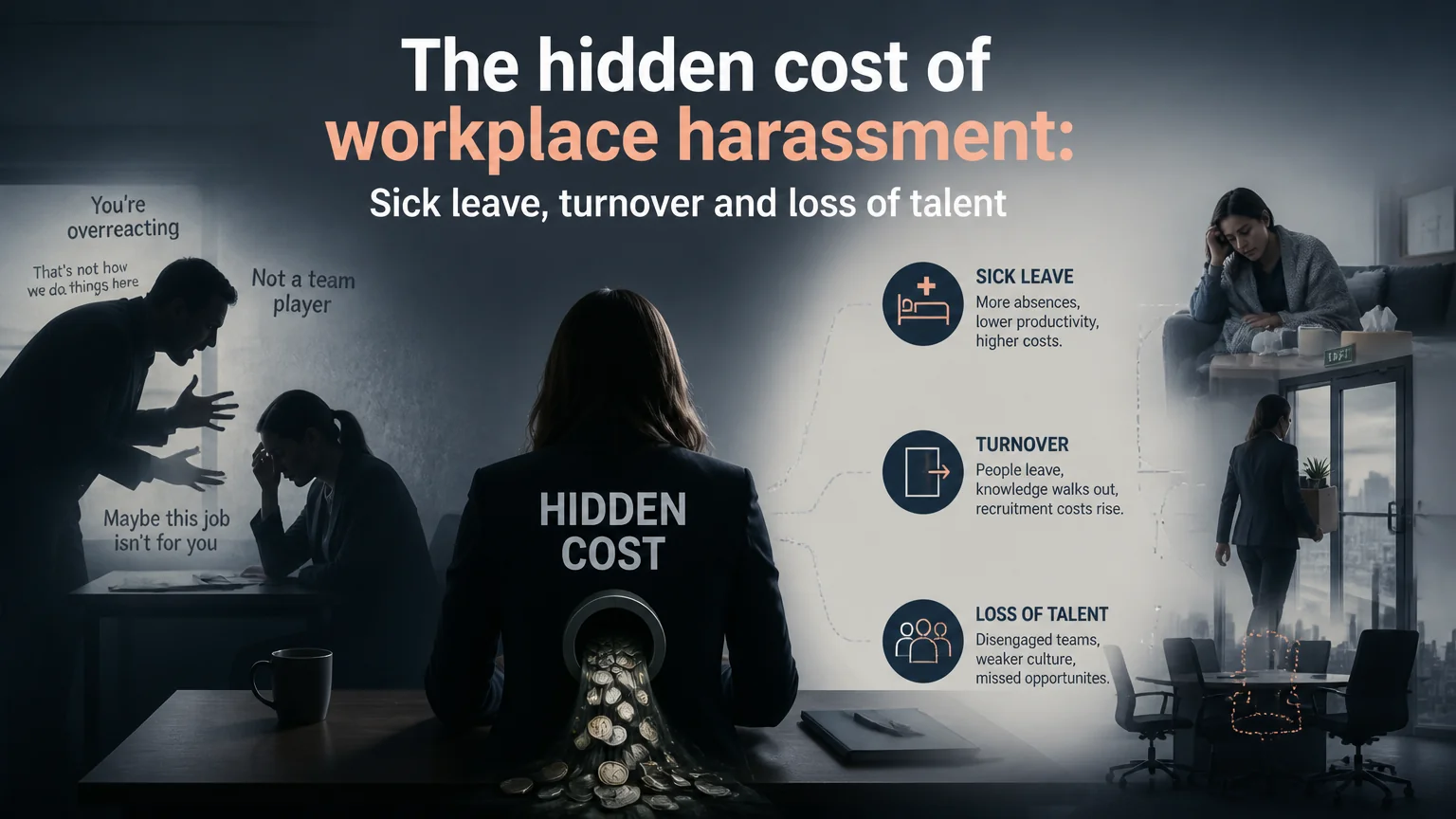
Workplace harassment has a devastating impact on the victim, potentially causing depression, anxiety, panic attacks, physical health problems and, in extreme cases, even suicide.
Quick Test: Are You in a Toxic Work Environment or Suffering Workplace Harassment?
Answer the following questions honestly. The answers will help you assess your current work situation:
- Do you feel that your work is constantly criticized, even when you have done your best?
- Do you feel isolated or excluded from social and professional activities at work?
- Have you been the subject of malicious rumors or gossip by coworkers or superiors?
- Do you feel that your ideas and opinions are ignored or belittled?
- Are you assigned tasks that are impossible to complete or below your skill level?
- Do you feel intimidated or threatened by your coworkers or superiors?
- Do you experience physical or emotional symptoms such as anxiety, stress, or difficulty sleeping due to your work?
- Do you observe similar behaviors toward other coworkers?
- Is communication in your workplace poor and non-transparent?
- Do you feel you do not receive recognition for work well done?
Interpretation of the Results
If you answered yes to the majority of the questions:
- If you observe these behaviors broadly in the workplace, you are likely in a toxic work environment. Seek strategies to protect yourself and improve your well-being, such as setting clear boundaries, seeking support from trusted colleagues, or considering a job change.
- If these behaviors are directed specifically at you in a systematic and repeated manner, you are likely suffering workplace harassment. It is essential to document all incidents, seek legal and psychological support, and report the situation to the competent authorities.
What to Do About a Toxic Work Environment or Workplace Harassment?
Strategies to Manage a Toxic Work Environment
- Set clear boundaries: Define your limits and communicate them assertively. Do not feel obliged to accept tasks or responsibilities that are not yours.
- Seek support: Talk to trusted colleagues, friends, or family about your situation. Social support is essential to cope with stress.
- Take care of your well-being: Prioritize your physical and mental health. Engage in activities that relax you and make you feel good, such as exercise, meditation, or spending time with loved ones.
- Consider changing jobs: If the situation is unsustainable and you do not see prospects for improvement, finding a new job may be the best option for your well-being.
Steps to Take if You Suffer Workplace Harassment
- Document everything: Record every incident of workplace harassment, including dates, times, locations, names of those involved, and a detailed description of what happened. Save emails, messages, and any other evidence.
- Seek legal support: Consult a lawyer specializing in labor law to advise you on your rights and available legal options.
- Inform the company: File a formal complaint with the human resources department or the person responsible for handling harassment reports.
- Seek psychological support: Workplace harassment can have a devastating impact on your mental health. Seek help from a psychologist or therapist to help you process your emotions and develop coping strategies.
- Report to the competent authorities: If the company does not take appropriate measures or if the situation warrants it, report the harassment to labor or judicial authorities.
 For Onlinecourses55
|
2026-07-12
For Onlinecourses55
|
2026-07-12