 For Onlinecourses55
|
2026-01-23
For Onlinecourses55
|
2026-01-23

Negative self-talk: how to turn your inner critic into your ally - sports psychology
Transform negative self-talk into a positive driving force; our comprehensive course on mental resilience training will guide you through this empowering journey.
We all have an inner voice that comments on what we do. Sometimes it gives us a boost and clarity; other times, it delivers harsh criticism, unfair comparisons, and fatalistic predictions. Negative self-talk affects more than our mood: it shapes our decisions, relationships, and performance. When it becomes habitual, it increases stress, undermines confidence, and makes us avoid challenges for fear of failing. The good news is that this voice is not our destiny; it is a mental habit we can train. The goal is not to silence it, but to transform it into a helpful, realistic, and compassionate guide.
Before changing it, we need to recognize it. The critical voice often uses mental shortcuts that sound convincing but are not accurate.
Recognizing the pattern lets you name it and, in turn, regain a sense of agency.
Imagine that this voice is not a harsh judge, but a coach with three rules: curiosity, accuracy, and firm kindness. Curiosity asks, “What actually happened?” Accuracy separates facts from interpretations, while firm kindness sets high expectations without humiliation. This shift turns fear into information and guilt into learning.
When you notice an inner attack, silently say, “Critic present.” Pause briefly: inhale and exhale slowly three times. This small interruption creates space to respond instead of react.
Write down the thought exactly as it occurs and ask yourself: “What objective facts support it? What evidence challenges it? What alternative explanation is just as plausible or more so?” Change “I’m going to fail” to “There are known risks, and I have a plan to manage them.”
Replace global labels with descriptions of specific situations. Change “I’m a disaster” to “I misjudged the timing today, and I’ll allow more buffer next time.” Being specific prevents one event from defining your identity.
Instead of thinking in all-or-nothing terms, use scales from 0 to 10: “How badly did it really go? What would move it up one point? What would move it down one?” Introducing gradations reduces the drama and opens up options.
Changing your language changes your experience. Here are some examples of how to rewrite it:
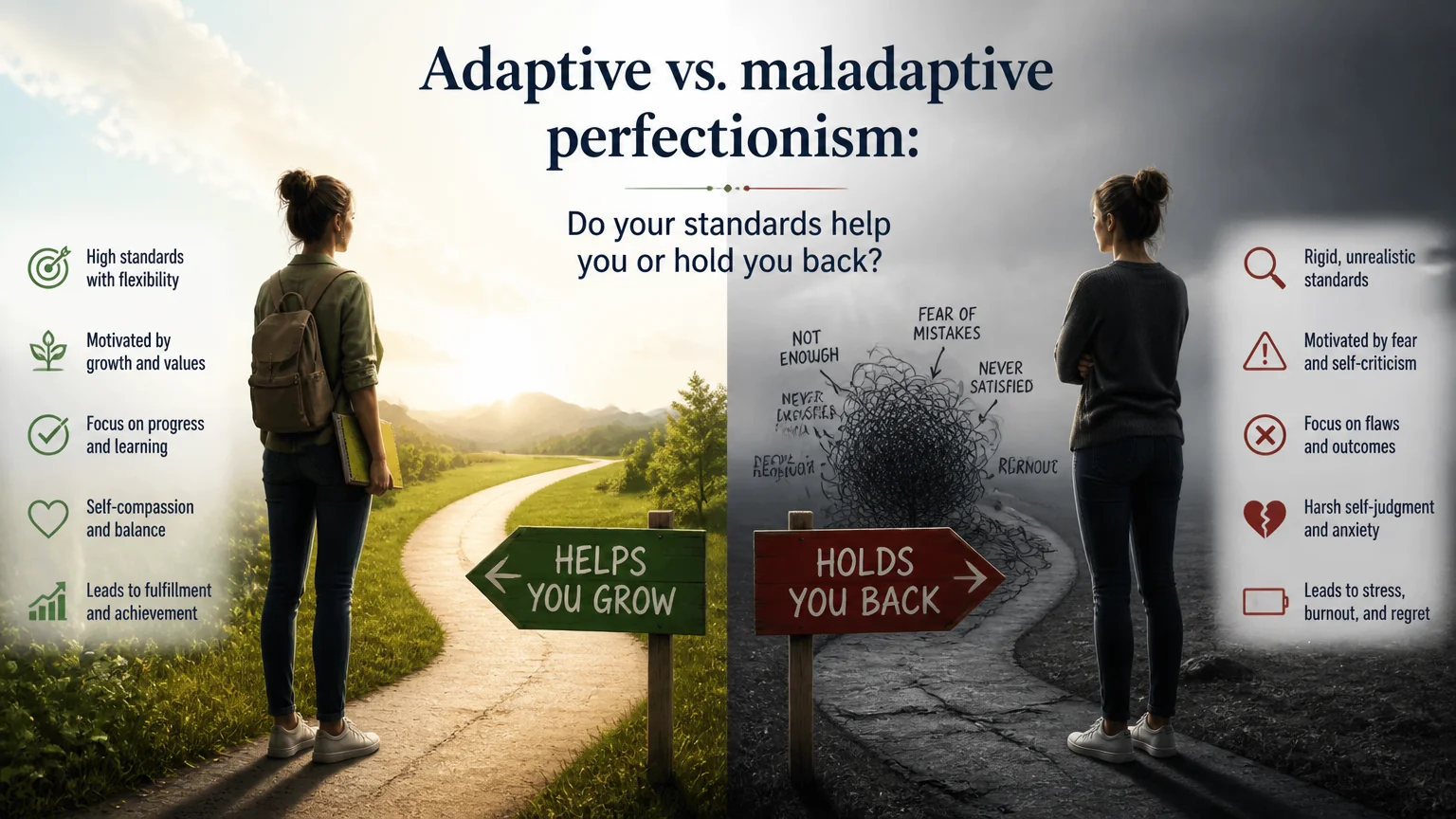
Helpful self-criticism focuses on behaviors and processes, suggests specific corrections, and preserves your dignity. Harmful self-criticism attacks your personal worth, generalizes mistakes, and paralyzes you. A sign it is helpful: afterward, you know what you will do differently. A sign it is harmful: you feel small and see no options. Ask yourself: “Is this helping me move forward or holding me back?” Adjust your tone accordingly.
What gets measured improves. Each day, note whether you took a pause, reframed a thought, and completed the next 15-minute step. Look for changes in how quickly you notice the critic, how many concrete actions you take after a mistake, and how long it takes to recover emotionally. Review each week: Which techniques worked best? Which triggers are still active? What habit will you support next week? Keep the practice light and consistent.
Turning your inner critic into an ally does not happen overnight, but every change in language and every mindful pause reshapes the habit. With practice, that voice can go from sabotaging you to supporting you: from “you can’t” to “here’s your next step.” If you find that self-criticism persists in an overwhelming way or seriously interferes with your life, consider seeking professional support; working on these skills with guidance can speed up the change. In the meantime, give your mind the opportunity to train in accuracy, compassion, and action. That combination is the foundation of inner dialogue that moves you forward instead of holding you back.
Search
Popular searches



![Eating disorders [ed] in weight-class sports](/images/postDuplicados/onlinecourses55-eating-disorders-ed-in-weight-class-sports.webp)