For Onlinecourses55
|
2026-04-07
For Onlinecourses55
|
2026-04-07

Are you an online student? how impostor syndrome affects your academic performance - syndrome impostor
To tackle the invisible battle of feeling inadequate, consider enrolling in a course that helps you navigate the challenges of self-doubt and enhances your confidence. Discover essential techniques in this training designed to conquer the feelings of being a fraud and transform your mindset to achieve your aspirations.
Online education has transformed the way we learn, offering unprecedented flexibility and accessibility. However, behind the screen, many online students struggle with a silent enemy: impostor syndrome. This psychological phenomenon, characterized by persistent doubt about one's abilities and the fear of being exposed as a fraud, can erode confidence and sabotage academic performance. In this article, we will explore in depth how impostor syndrome affects online students and provide you with effective strategies to overcome it and reach your full potential.
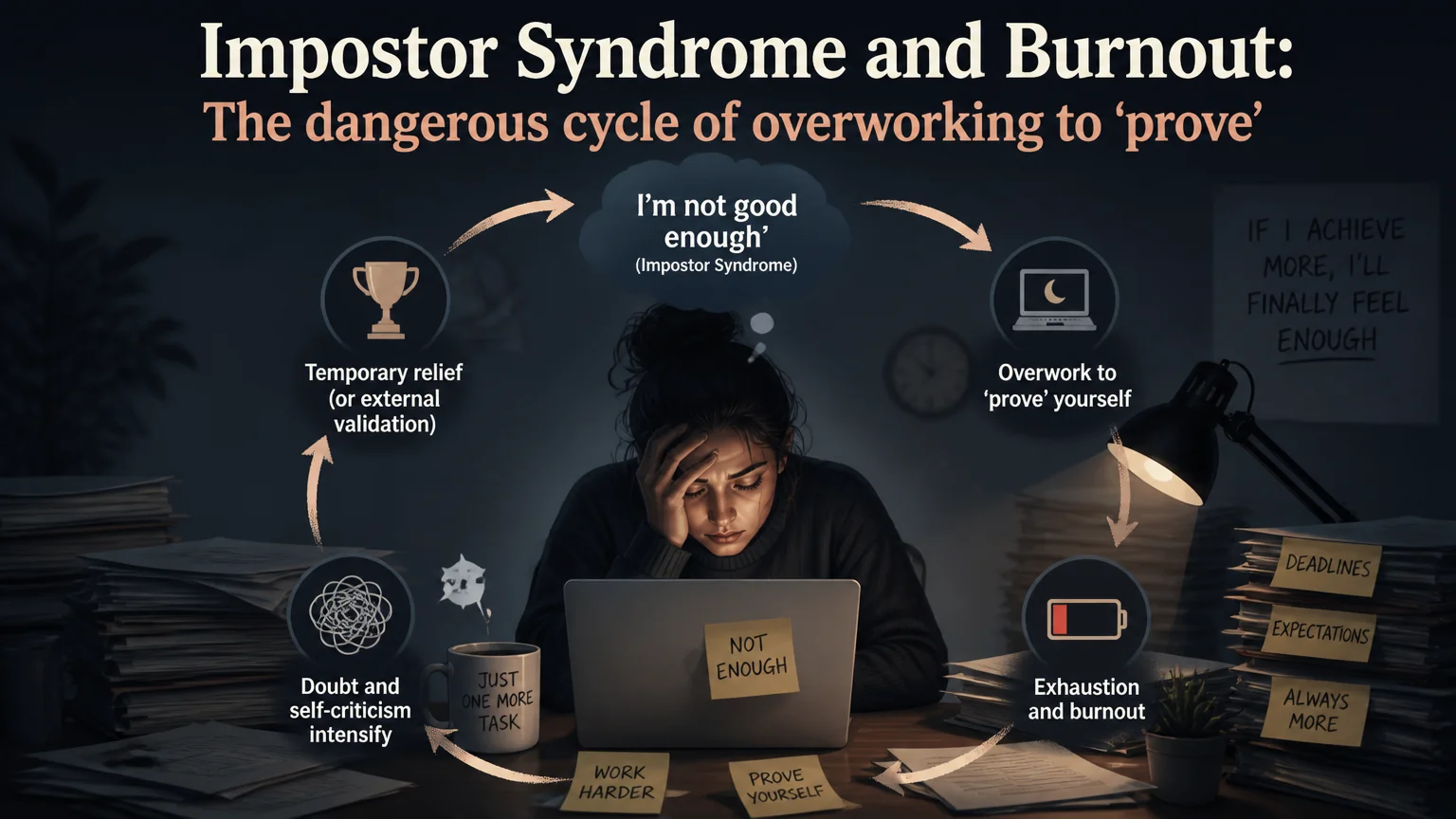
Impostor syndrome is not a mental illness, but a pattern of thinking in which successful people attribute their achievements to luck, timing, or outside help, rather than to their own intelligence and effort. They feel as if they are "fooling" others, expecting to be unmasked at any moment.
In the context of online education, this syndrome can manifest in various ways:
Several factors inherent to online education can exacerbate impostor syndrome:
Overcoming impostor syndrome requires a conscious and ongoing effort. Here are some strategies that can help you:
The first step is to identify the negative and self-critical thoughts that feed impostor syndrome. Once you identify them, question them. Is there real evidence supporting these beliefs? Or are they simply assumptions based on fear and insecurity? Try to reframe these negative thoughts into more realistic and positive statements.
For example, instead of thinking "I'm not smart enough to understand this", you can tell yourself "This topic is challenging, but I can understand it if I put in the effort and seek help when I need it".
It's important to acknowledge and celebrate your achievements, no matter how small. Don't minimize your successes or attribute them to luck. Recognize the effort and dedication that led you to reach your goals. Keep a record of your achievements and review it regularly to remind yourself of what you're capable of.
Talking with friends, family, classmates, or a therapist about your feelings of insecurity and doubt can be incredibly helpful. You'll realize that you're not alone and that many other students also struggle with impostor syndrome. Receiving support and validation from others can help you challenge your negative thoughts and build greater self-confidence.
Remember that the goal of education is to learn and grow, not to be perfect. Making mistakes is a natural part of the learning process. Don't punish yourself for making mistakes; instead, use them as opportunities to learn and improve. Focus on progress, not perfection.
Ask your teachers and peers for feedback on your work. Accept praise with gratitude and believe it. Don't dismiss or downplay it. Remember that the people who praise you do so because they truly believe in your potential.
Be kind and compassionate to yourself. Treat yourself as you would treat a friend who is struggling with impostor syndrome. Don't criticize or judge yourself harshly. Acknowledge that we all make mistakes and that we all have moments of doubt. Forgive yourself for your mistakes and move forward.
Stress can exacerbate impostor syndrome. Learn stress-management techniques, such as meditation, yoga, or physical exercise. Make sure to get enough sleep, eat healthily, and take regular breaks to avoid burnout.