For Onlinecourses55
|
2026-04-22
For Onlinecourses55
|
2026-04-22

Impostor syndrome in entrepreneurs: the secret fear of being 'found out - syndrome impostor
Entrepreneurs must navigate challenges, including feelings of being an impostor. Discover how to embrace your success through a course that helps you tackle these pervasive doubts and allows you to lead with confidence.
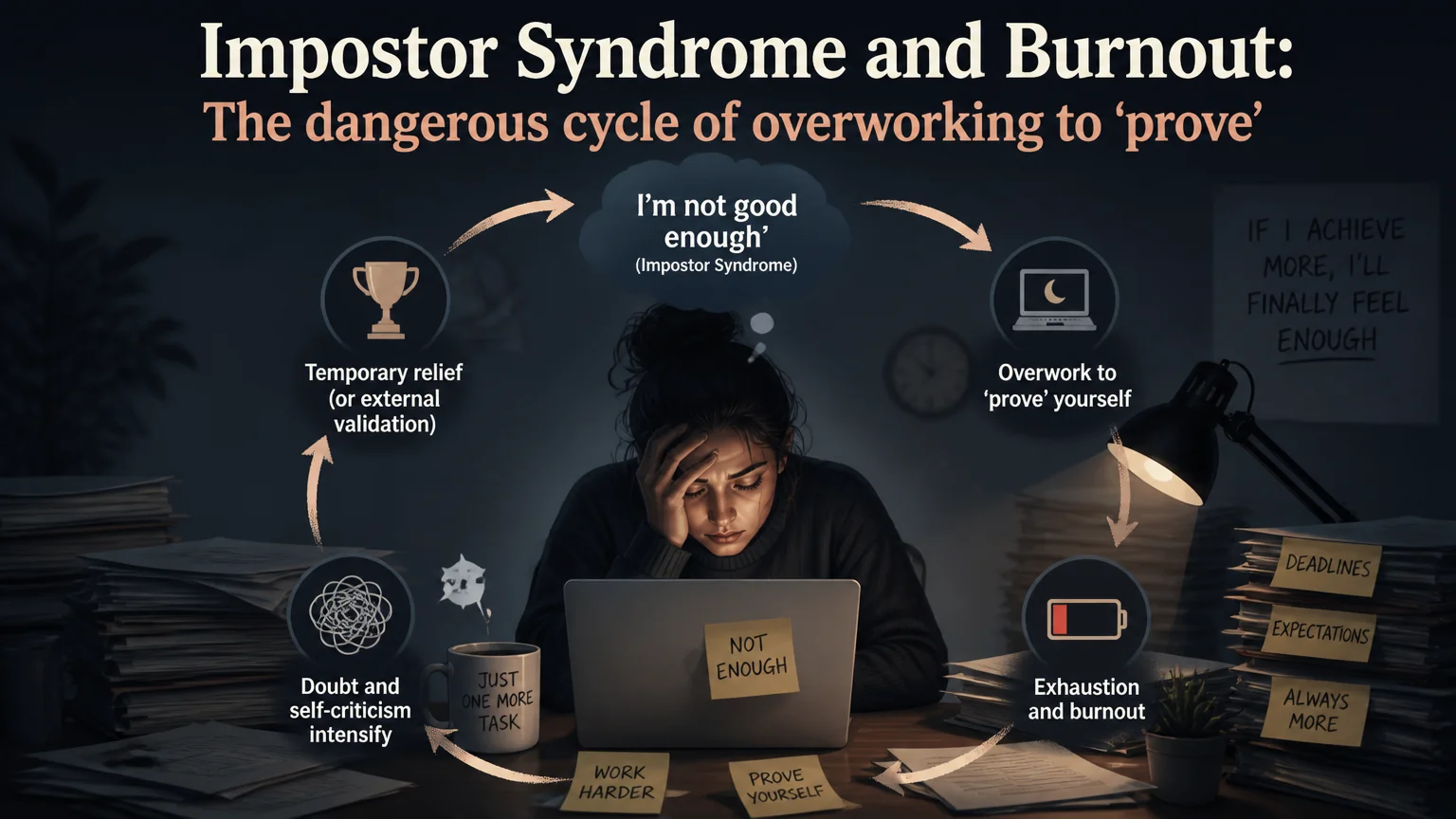
The path of entrepreneurship is paved with challenges, risks and, often, a large dose of uncertainty. In this whirlwind of emotions and responsibilities, many entrepreneurs face a silent and devastating enemy: impostor syndrome. This psychological phenomenon, which affects people from all walks of life, manifests as a deep sense of fraud, a deeply rooted belief that success is undeserved and that, inevitably, they will be "discovered" as a fraud.
Impostor syndrome is not an officially recognized mental illness, but it is a very real experience for those who suffer from it. It is characterized by the dissonance between external success and the internal perception of competence. Despite evidence of achievements and skills, the affected person believes they are a fraud, that their success is due to luck, timing or the help of others, and that they are not truly deserving of recognition.
For entrepreneurs, this syndrome can be particularly paralyzing. The inherently uncertain and competitive nature of entrepreneurship exacerbates doubts and fears. The entrepreneur constantly faces new situations, challenges and crucial decisions, which can feed the belief that they are not up to the task.
Several factors can contribute to the development of impostor syndrome in entrepreneurs:
Overcoming impostor syndrome requires a conscious effort and a commitment to self-discovery and self-compassion. Here are some strategies that can help:
The first step is to be aware that you are experiencing impostor syndrome. Identify the thoughts and feelings that accompany it. Do not ignore or repress them; instead, accept them as a natural part of your experience.
Question your negative beliefs. Ask yourself if there is really evidence to support your feeling of fraudulence. Have you had successes in the past? Have you received praise and recognition? Write down your achievements and review them regularly.
Do not downplay your achievements. Acknowledge and celebrate every step forward, no matter how small. Keep a record of your successes and allow yourself to enjoy them.
Identify your strengths and unique skills. What are you good at? What are you passionate about? Focus on developing those areas and use them to drive your business.
Mistakes are inevitable in entrepreneurship. Instead of punishing yourself for them, use them as opportunities to learn and grow. Analyze what went wrong, what you can do differently next time, and move forward.
You don’t have to face impostor syndrome alone. Seek support from friends, family, colleagues or mentors. Sharing your experiences with others who have been through the same thing can be very helpful. A mentor can provide you with valuable guidance and perspective.
Be kind to yourself. Treat yourself with the same compassion and understanding you would offer a friend. Remember that no one is perfect and that we all make mistakes.
Comparison is the thief of joy. Every entrepreneur has their own path and their own pace. Focus on your own progress and don’t worry about what others are doing.
Success is not defined solely by income or fame. Define success on your own terms, based on your values and personal goals. What really matters to you? Focus on building a business that fills you with purpose and satisfaction.
Search
Popular searches