For Onlinecourses55
|
2026-06-06
For Onlinecourses55
|
2026-06-06

Freelancers and the price of success: charge what you're worth without feeling like a fraud - syndrome impostor
Freelancers face unique hurdles, including feelings of unworthiness. Equip yourself with the tools necessary to overcome these challenges by enrolling in a dedicated program that supports freelancers in valuing their worth and gaining self-assurance.
Being a freelancer offers unparalleled freedom and flexibility, but it also involves facing unique challenges, especially when it comes to pricing. How do you determine your value in a competitive market? How do you avoid feeling like a fraud when charging what you truly deserve? This article will guide you through the key strategies to set fair prices, overcome imposter syndrome, and build a prosperous and sustainable freelance business.
Before you even think about numbers, you need to have a clear understanding of the value you bring. This goes beyond simply "doing the work." Consider the following aspects:
Once you have a clear idea of your value, it's time to apply concrete strategies to set prices. Here are some options:
This is the most common way to price, especially for work that requires constant time tracking. Make sure to include in your rate all costs associated with your work, such as time spent on administration, finding new clients, and paying taxes.
If you have a clear scope of work and can accurately estimate the time required, a project rate can be a good option. This allows you to focus on the final result and gives the client greater peace of mind, since they know the total cost in advance. Be sure to include a clause for possible changes in project scope.
This strategy is based on the value your work brings to the client. For example, if you are designing a website that will generate a significant increase in sales, you can charge a fee based on a percentage of that increase. It requires a good understanding of the client's business and the ability to demonstrate the value of your work.
Create service packages that offer different levels of support and added value. This allows you to attract different types of clients and increase your average revenue per client. For example, you can offer a basic package, a premium package, and a custom package.
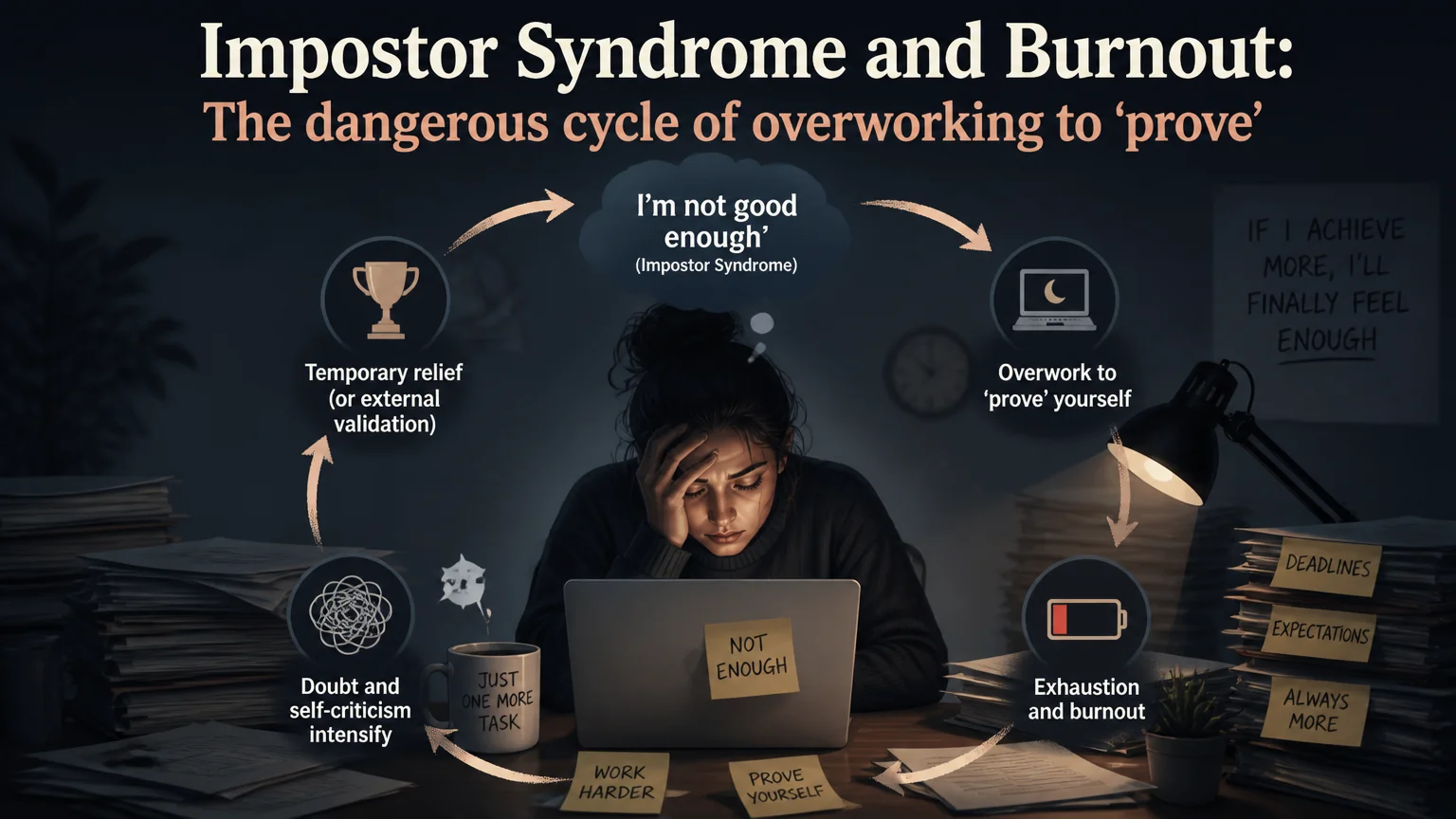
Imposter syndrome, that persistent feeling of being a fraud despite your accomplishments, is a common problem among freelancers. It's crucial to address this feeling so you can charge what you're worth and feel confident in your work. Here are some strategies:
The ability to negotiate and communicate effectively with your clients is fundamental to freelance success. Be transparent about your prices, explain the value you provide, and listen to your clients' needs. Don’t be afraid to negotiate, but always maintain respect and professionalism. Remember that you are offering a valuable service and that you deserve to be fairly compensated for it.
Search
Popular searches