The 'cognitive reframing' technique to overcome your professional doubts - syndrome impostor
Transform your doubts into opportunities for growth through cognitive reframing. Engage in a course that will guide you in using this powerful tool to really boost your career.
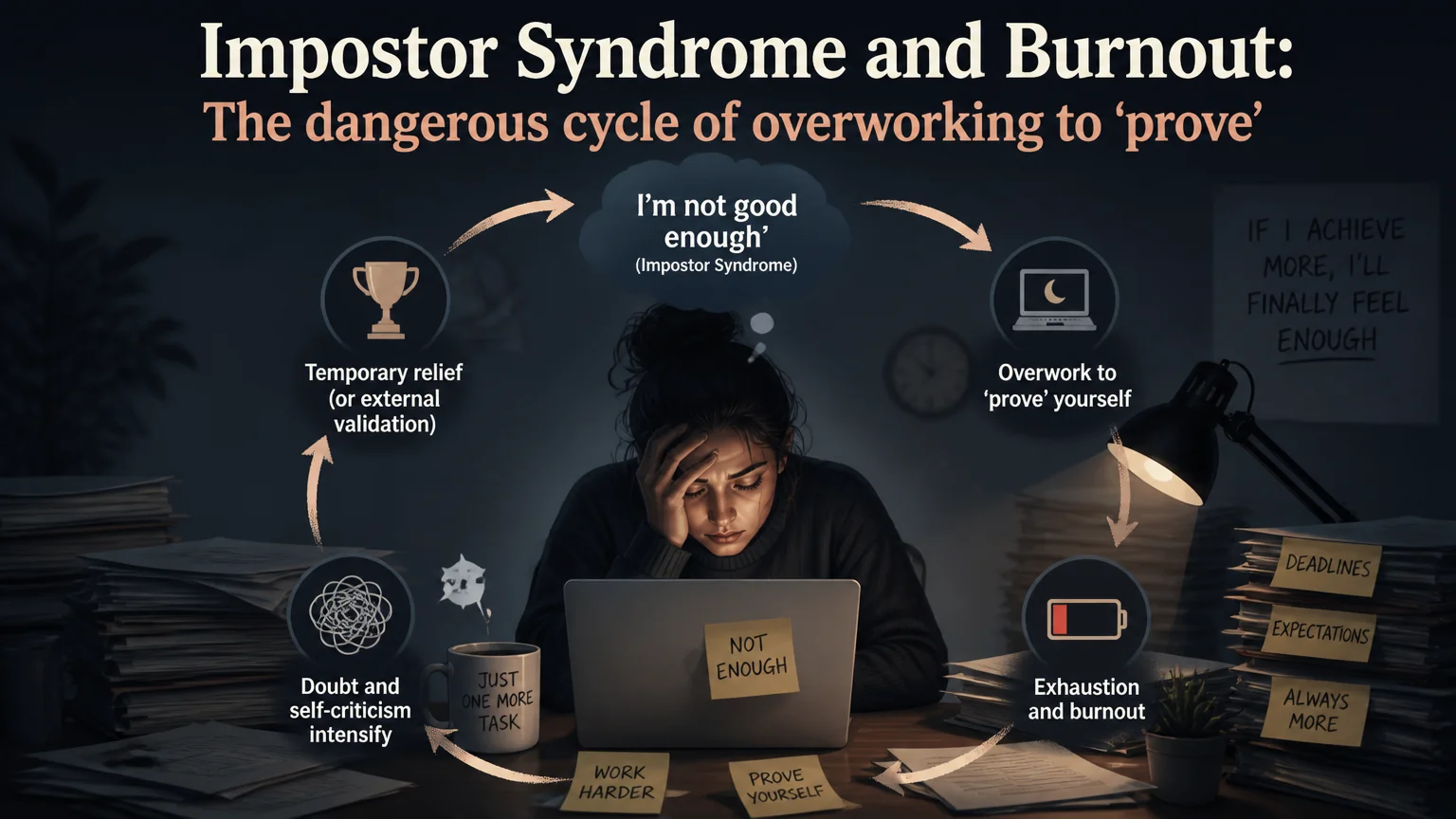
Have you ever felt paralyzed by doubt before an important presentation? Have you questioned whether you are really up to a new professional challenge? Professional doubts are a common experience, but they don't have to define your trajectory. Fortunately, there is a powerful psychological tool called cognitive reframing that can help you transform those doubts into growth opportunities.
What Is Cognitive Reframing and How Can It Boost Your Career?
Cognitive reframing is a technique that allows you to change the way you interpret a situation or a thought. Instead of letting doubts consume you, you learn to see things from a different, more objective and positive perspective. It's about identifying negative or limiting thoughts that prevent you from moving forward and replacing them with more constructive and realistic thoughts.
This technique, widely used in cognitive-behavioral therapy (CBT), is based on the idea that it is not the events themselves that affect us, but our interpretation of them. Therefore, if we change our interpretation, we can change our emotional and behavioral response.
Key Benefits of Cognitive Reframing in the Professional Sphere
- Greater Confidence: By challenging your negative thoughts, you strengthen your self-confidence and believe more in your abilities.
- Better Stress Management: You learn to handle pressure situations with greater calm and objectivity.
- Increased Resilience: You develop the ability to recover from setbacks and learn from your mistakes.
- Better Decision-Making: By analyzing situations from different angles, you make more informed and rational decisions.
- Greater Creativity: Freed from doubts, you feel more free to explore new ideas and solutions.
Practical Steps to Apply Cognitive Reframing to Your Professional Doubts
Cognitive reframing is not a magic trick, but a skill that develops with practice. Here are some steps to start applying it in your professional life:
- Identify Your Negative Thoughts: Pay attention to the thoughts that generate doubt, anxiety or insecurity. Write them down if necessary. What are you telling yourself? For example: "I'm not good enough for this position", "I'm going to fail in this presentation", "My ideas aren't valuable".
- Examine the Evidence: Question the validity of your negative thoughts. Is there real evidence to support them? Or are they simply assumptions based on fear or insecurity? Often, you'll find that the real evidence is limited or nonexistent.
- Look for Alternative Perspectives: Try to view the situation from different angles. What would a friend or mentor say about your situation? What are your strengths and past achievements that demonstrate your ability? What learning opportunities can you find in this situation?
- Replace Negative Thoughts with Positive and Realistic Ones: Once you have examined the evidence and explored alternative perspectives, replace your negative thoughts with positive and realistic affirmations. For example, instead of thinking "I'm not good enough for this position", you can think "I have the skills and experience necessary to succeed in this role, and I am willing to learn and grow".
- Practice Gratitude: Focus on the positive aspects of your professional life. Be thankful for the opportunities you've had, the achievements you've reached and the people who support you. Gratitude helps you maintain a positive perspective and reduce the impact of doubts.
Real Examples of Cognitive Reframing at Work
To give you a clearer idea of how cognitive reframing works, here are some examples:
- Situation: You are criticized for a presentation you gave.
- Negative Thought: "I'm a disaster. I'll never give a good presentation."
- Cognitive Reframe: "I received constructive criticism that will help me improve my next presentation. I appreciate the feedback and will use it to grow."
- Situation: You are offered a position that scares you.
- Negative Thought: "I'm not prepared for this position. I'm going to fail."
- Cognitive Reframe: "This position is a challenge, but it is an opportunity to learn and grow. I trust my abilities and am willing to give my best."
- Situation: You make a mistake at work.
- Negative Thought: "I'm incompetent. I'm going to lose my job."
- Cognitive Reframe: "We all make mistakes. What's important is to learn from them and not repeat them. I will focus on correcting the mistake and preventing it from happening again."
Additional Resources for Deepening Your Understanding of Cognitive Reframing
If you're interested in delving deeper into cognitive reframing, I recommend exploring the following resources:
- Cognitive-Behavioral Therapy (CBT): A therapist trained in CBT can help you identify and change your negative thought patterns.
- Books and Articles: There are numerous books and articles on cognitive reframing and CBT. Look for resources by reputable authors and reliable sources.
- Online Courses: Platforms like Coursera, Udemy and edX offer courses on positive psychology, CBT and cognitive reframing.
- Mindfulness and Meditation Apps: These apps can help you develop mindfulness and awareness of your thoughts and emotions.
 For Onlinecourses55
|
2026-07-06
For Onlinecourses55
|
2026-07-06