For Onlinecourses55
|
2026-08-20
For Onlinecourses55
|
2026-08-20

Mentoring and coaching: are they the definitive solution to impostor syndrome? - syndrome impostor
Transforming the way you perceive yourself starts with understanding impostor feelings. Join a course designed to provide mentoring solutions that empower you to unlock your true capabilities and potential.
The impostor syndrome, that persistent feeling of being a fraud despite evidence to the contrary, affects a large number of professionals. If you constantly question your worth and fear being discovered as someone "not good enough," you are not alone. But are there effective solutions to combat this paralyzing feeling? Here we will explore how the mentoring and the coaching emerge as promising strategies to transform self-perception and unlock true potential.
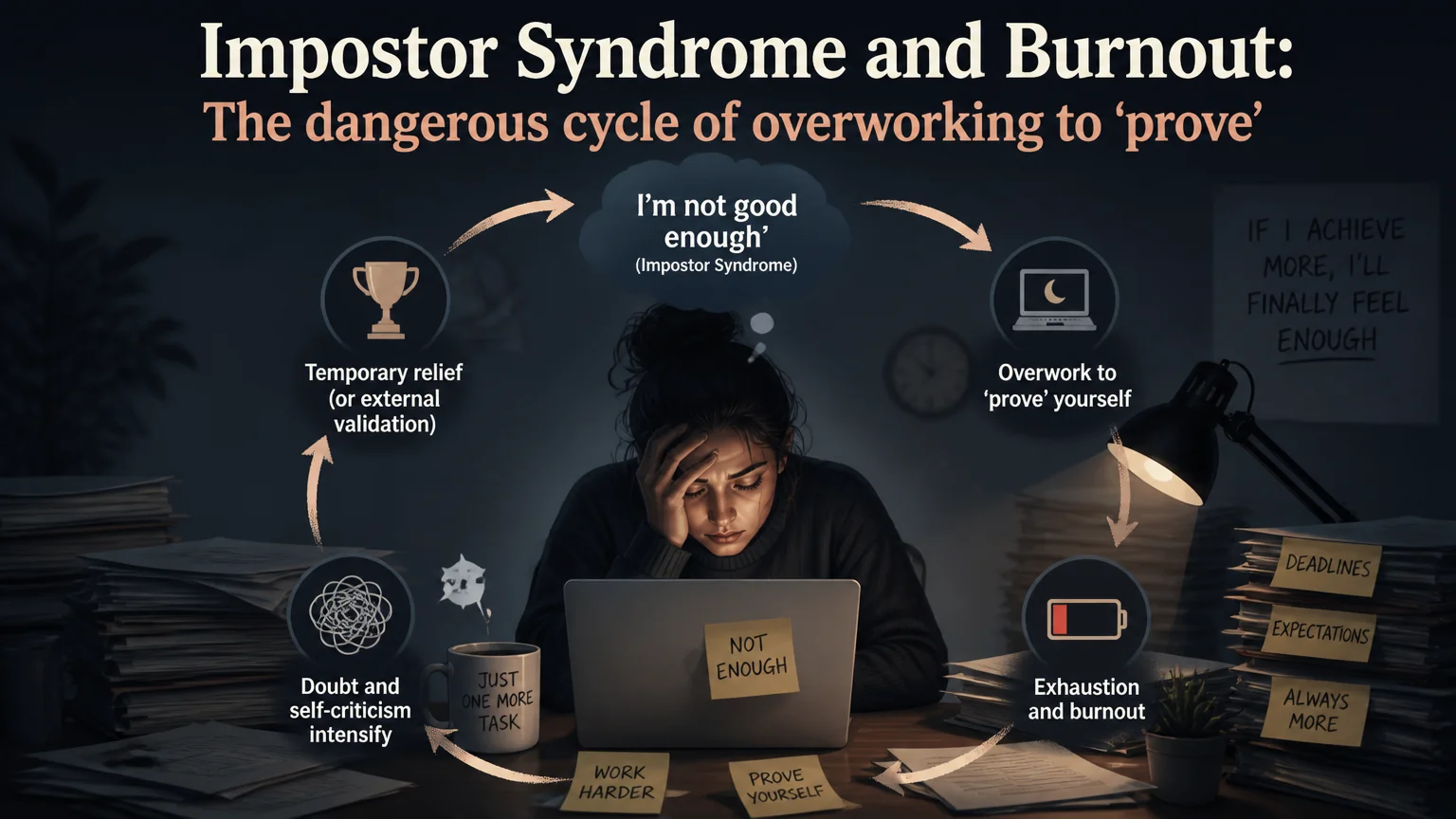
Impostor syndrome is not an officially recognized mental illness, but it describes a real and debilitating psychological experience. Those who suffer from it attribute their successes to luck, timing, or the ability to fool others. Despite tangible achievements, doubt persists. This constant insecurity can lead to burnout, anxiety, and ultimately professional stagnation. Understanding the nature of this syndrome is the first step to seeking effective solutions. Impostor syndrome does not discriminate; it affects people at all levels of experience and in various professional fields.
Impostor syndrome not only affects personal perception, but also directly impacts professional development. Constant self-criticism and fear of failure can lead to avoiding growth opportunities, underestimating one's own skills, and experiencing difficulties negotiating salaries and promotions. In a competitive work environment, this self-sabotage can mean the difference between achieving success and remaining stuck.
Mentoring involves a long-term relationship between a mentor (a person with experience and wisdom) and a mentee (someone seeking guidance and support). The mentor acts as a guide, sharing their knowledge, experience, and perspective to help the mentee reach their goals. In the context of impostor syndrome, the mentor can provide external validation of the mentee's skills and achievements, helping them build greater self-confidence.
Coaching focuses on the present and the future, helping the person define their goals, identify their resources, and develop an action plan to achieve them. Unlike mentoring, which is based on the mentor's experience, coaching focuses on the individual's internal potential, empowering them to find their own solutions. A professional coach acts as a facilitator, guiding the person through a process of self-discovery and personal growth.
Both mentoring and coaching can be valuable tools to combat impostor syndrome, but the choice of the right option will depend on individual needs and objectives. If you seek the guidance and advice of someone with experience in your field, mentoring may be the best option. If you are looking for a process more focused on self-discovery and the development of specific skills, coaching may be more suitable. In some cases, a combination of both approaches can be the most effective solution.
To get the maximum benefit from mentoring or coaching, it is essential to implement these programs effectively. This involves clearly defining objectives, setting realistic expectations and maintaining open and honest communication.