For Onlinecourses55
|
2025-12-30
For Onlinecourses55
|
2025-12-30
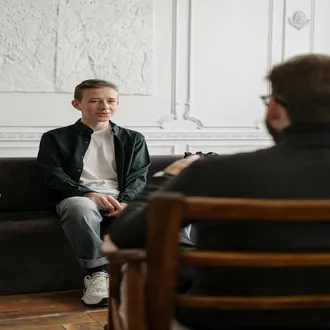
¿what is rapport? the invisible technique to make a good impression in 5 minutes - techniques persuasion manipulation
Building rapport can significantly improve your personal and professional relationships. Discover actionable persuasion strategies that will enhance your ability to connect with others.
Have you ever met someone and felt an instant connection? As if you had known them your whole life? That feeling, often intuitive, can be cultivated and consciously developed through a powerful communication technique called rapport. In this article, we will explore in depth what rapport is, how it works and, most importantly, how you can use it to improve your personal and professional relationships.
Rapport is defined as a harmonious and empathetic connection between two or more people. It involves a sense of trust, mutual respect and shared understanding. When rapport is established, communication flows more easily, cooperation becomes more natural and influence is exercised more effectively.
The importance of rapport lies in its ability to facilitate communication, build strong relationships and foster collaboration. In the personal sphere, rapport allows us to create deeper bonds with our friends, family and partners. In the professional sphere, rapport is essential for effective leadership, successful negotiation and building high-performing teams.
Although rapport may seem like something magical or intuitive, it is actually based on specific communication techniques that you can learn and practice. Here I present some of the most effective ones:
Mirroring, also known as "reflection," involves subtly imitating the other person's body language, tone of voice and speech rhythm. It's not about copying obviously, but about creating an unconscious rapport. For example, if the other person is leaning forward, you can lean slightly as well. If they speak slowly, moderate your speaking speed.
Practical example: In a job interview, observe the interviewer's posture. If they appear relaxed and with an open posture, try to adopt a similar posture. This will create a sense of familiarity and connection.
Active listening goes beyond simply hearing the words being said. It involves giving your full attention to the other person, showing genuine interest in what they are sharing. Use open-ended questions to encourage them to elaborate, nod to indicate that you are understanding, and summarize what they have said to confirm that you have understood correctly.
Practical example: In a conversation with a friend, avoid interrupting while they are speaking. Maintain eye contact, ask relevant questions about what they are saying and summarize their main points to show that you are listening actively.
Seeking and highlighting common points is a powerful way to establish rapport quickly. Identify shared interests, similar values or common experiences. Sharing personal anecdotes and showing that you share a similar perspective can create a sense of instant connection.
Practical example: At a conference, if you hear someone mention a book you really liked, approach them and comment on it. Sharing your opinion and discovering that you both have a common interest can be the start of a fruitful conversation.
Empathy is the ability to understand and share another person's feelings. It involves putting yourself in their shoes and seeing the world from their perspective. Show empathy by validating their emotions, showing understanding for their challenges and offering support when necessary.
Practical example: If a colleague is going through a difficult time at work, acknowledge their feelings and offer your support. Instead of minimizing their problems, validate their emotions and offer to help in any way you can.
Your body language plays a crucial role in creating rapport. Adopt an open posture, maintain eye contact, smile genuinely and use friendly gestures. Avoid crossing your arms, looking at the floor or showing signs of distraction, as this can convey disinterest or distrust.
Practical example: When meeting someone for the first time, smile and maintain eye contact. Extend your hand for a firm but not overpowering handshake. Keep a relaxed and open posture to convey confidence and approachability.
It is important to be aware of common mistakes that can sabotage your efforts to establish rapport. Avoid:
Search
Popular searches



![How to say no to an expert manipulator [step-by-step guide]](/images/postDuplicados/onlinecourses55-how-to-say-no-to-an-expert-manipulator-step-by-step-guide.webp)