For Onlinecourses55
|
2026-08-28
For Onlinecourses55
|
2026-08-28

Domestic violence vs. gender-based violence: what is the legal difference? - violence domestic family
To grasp the complexities of domestic abuse and its implications, consider enrolling in our comprehensive training program focused on family violence, enhancing your understanding and ability to help those in need.
Domestic violence and gender-based violence are two interrelated but distinct forms of violence that are often confused. Understanding the legal differences between them is crucial to ensure adequate protection for victims and the proper application of the law. This article explores in depth the definitions, laws and specific protections for each type of violence, with a focus on legislation in Spain and Latin America.
Domestic violence, also known as intrafamilial violence, is defined as any act of physical, psychological, sexual or economic violence that occurs within the family sphere or in a partner relationship, regardless of whether cohabitation exists or not. This form of violence can affect men, women and children, and can be perpetrated by any family member, including parents, children, spouses, ex-spouses, partners or ex-partners.
Unlike gender-based violence, domestic violence is not necessarily motivated by the victim's gender. It may be driven by factors such as economic problems, addictions, family conflicts, issues of control or jealousy. It is important to emphasize that domestic violence encompasses a wide spectrum of situations and relationships.
Gender-based violence, on the other hand, is a form of violence that is directed specifically against women simply for being women. It is rooted in gender inequality, unequal power relations between men and women, and gender stereotypes that perpetuate discrimination and the subordination of women.
Gender-based violence is not limited to the domestic sphere, although this is a common setting. It can manifest in different areas, such as the workplace, education, social life and politics. It includes sexual harassment, female genital mutilation, forced marriage, femicide and other forms of violence that attack the integrity, freedom and dignity of women.
Spain has been a pioneer in the fight against gender-based violence with the enactment of the Organic Law 1/2004, of Comprehensive Protection Measures against Gender-Based Violence. This law defines gender-based violence as "the violence that, as an expression of discrimination, the situation of inequality and the power relations of men over women, is exercised against them by those who are or have been their spouses or by those who are or have been linked to them by similar affective relationships, even without cohabitation."
This law establishes measures for prevention, awareness-raising, assistance and protection of victims, as well as the creation of specialized courts for violence against women and the application of harsher penalties for perpetrators.
While both forms of violence share some characteristics, there are crucial legal differences that determine how they are addressed and sanctioned:
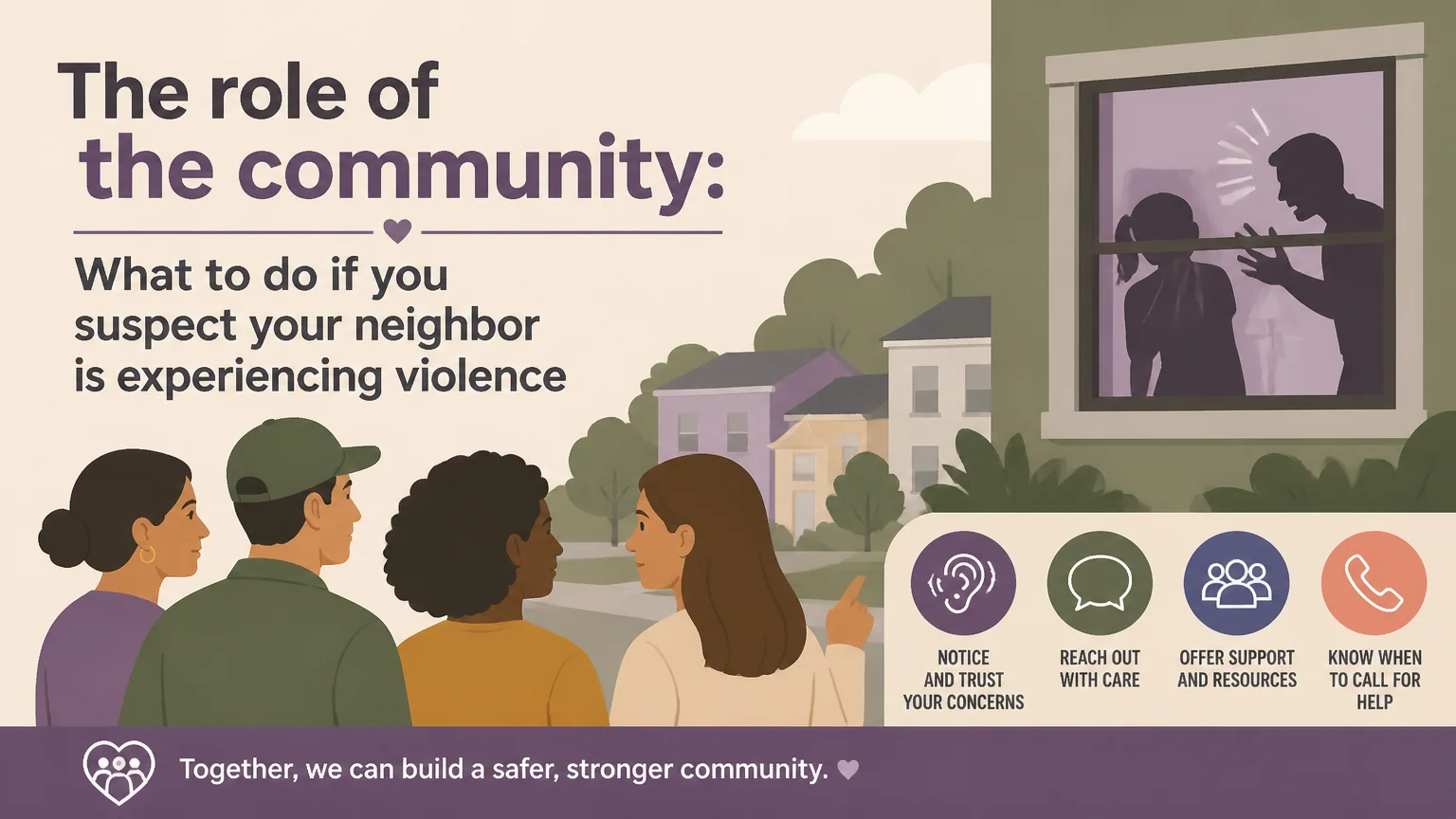
If you or someone you know is suffering domestic or gender-based violence, it is essential to seek help immediately. Here are some steps you can take:
Domestic violence and gender-based violence are serious social problems that require an integral and multidisciplinary approach. Prevention, education, awareness-raising and effective enforcement of the law are essential to eradicate these forms of violence and build a more just and equal society.
It is crucial to promote gender equality, challenge gender stereotypes, foster respect and empathy, and empower women so that they can live free from violence and discrimination.
Sources:
Search
Popular searches