For Onlinecourses55
|
2026-10-12
For Onlinecourses55
|
2026-10-12
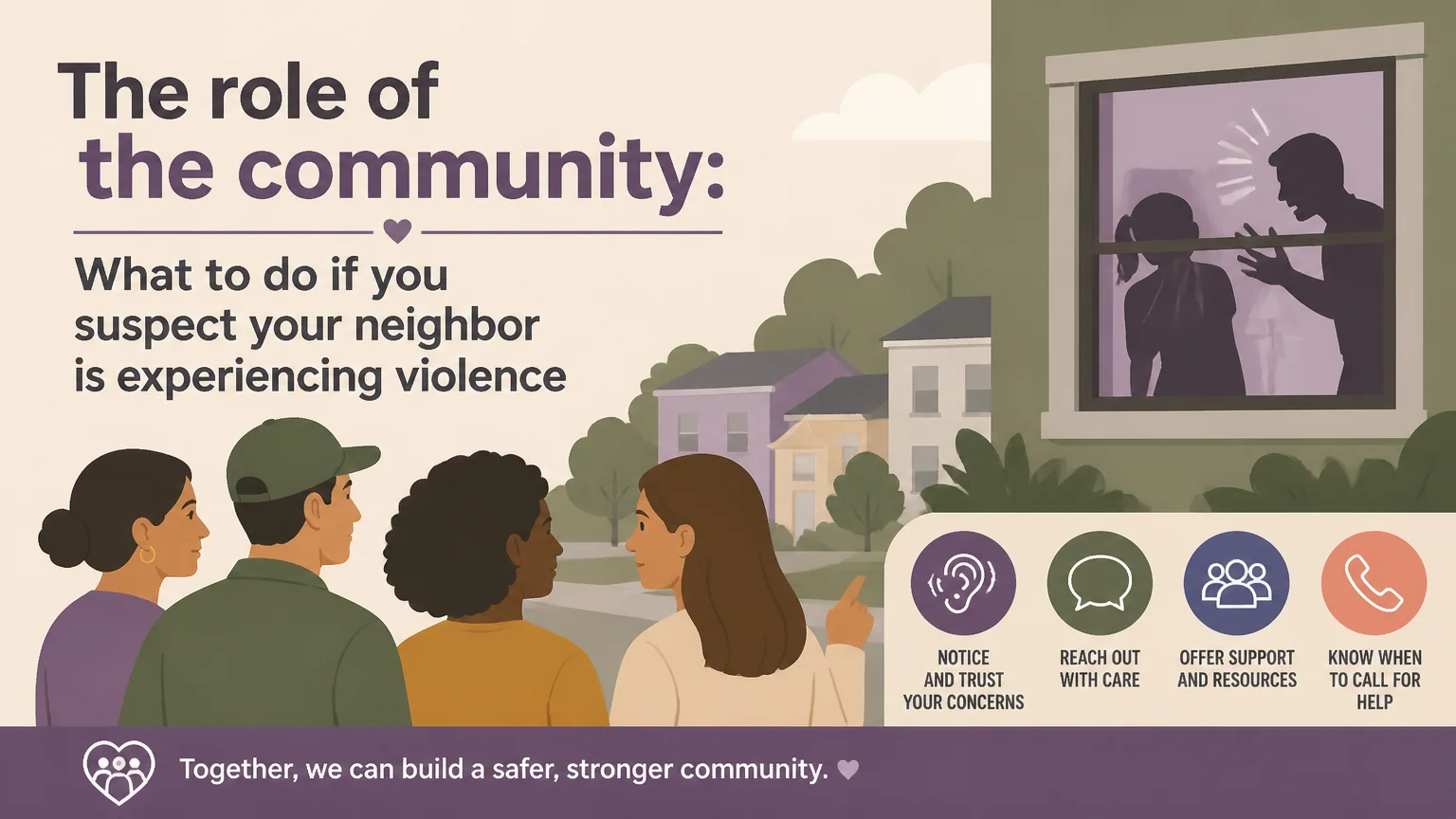
The role of the community: what to do if you suspect your neighbor is experiencing violence - violence domestic family
Being vigilant when it comes to signs of domestic violence in your community can save lives. Empower yourself with the knowledge needed to take action by engaging in our essential course on recognizing and responding to domestic violence in your neighborhood.
Domestic violence is a silent reality that affects thousands of people around the world, and often occurs right next door. As neighbors, we have a responsibility to be alert and, if we suspect someone is suffering, to act in an informed and safe manner. This article will guide you on how to recognize the signs of violence, what steps to take to report it, and how to offer support to your neighbor, protecting yourself and the community.
Recognizing the signs of violence is the first crucial step to being able to help. Violence is not always physical; it can also be verbal, emotional, psychological, or economic. Being attentive to the following indications can make a difference:
If you identify any of these signs, it is important to act cautiously and in an informed manner. Do not risk confronting the abuser directly, as this could endanger both the victim and yourself. Here are the steps you can follow:
Keep a detailed record of dates, times, descriptions of the incidents, and any other relevant information you observe. This information can be crucial if you decide to report.
If it is safe and possible, try to obtain evidence, such as photos of visible injuries or audio recordings of arguments (if the laws of your country/region allow it). **Important:** Never put yourself at risk while trying to obtain evidence.
Reporting is essential. You can contact local police, a domestic violence hotline, or an organization specialized in combating gender-based violence. In many countries, there are specific emergency numbers to report these cases.
If you feel safe and the situation allows it, approach your neighbor and offer your support. Let her know that you are there for her and that she is not alone. Listen without judging and respect her decisions. It is important that you do not pressure her to do anything she does not want to do.
Consider talking to other neighbors about your concerns. If everyone is alert, it is more likely that support can be provided to the victim and the abuser can be deterred. However, do so with great responsibility and avoid spreading rumors or unconfirmed information.
Support for a victim of domestic violence can take many forms. Here are some ideas:
It is essential to remember that your safety is paramount. Do not put yourself in danger when trying to help your neighbor. Here are some tips:
There are numerous organizations and resources available for victims of domestic violence and for people who wish to help. Some examples include:
Search
Popular searches