For Onlinecourses55
|
2026-08-24
For Onlinecourses55
|
2026-08-24

How can i help a friend or family member with a food allergy? - allergens
Supporting friends or family with allergies can be overwhelming; understanding how to do so effectively through this guiding course on allergy management and safety can make a big difference.
Hello! Do you have a friend or family member who struggles with food allergies? Sometimes, it can seem complicated to know how to help, right? Don''t worry, you are in the right place! This article will guide you through the key steps to provide effective support and create a safe environment for your loved ones. We are going to break down everything, from understanding food allergies to knowing what to do in an emergency. So, get ready to become an invaluable ally!
Before diving into the practical steps, it is essential to understand what food allergies are and how they affect people. It is not just a whim or a simple intolerance. It is a serious immune system response!
Simply put, a food allergy occurs when a person''s immune system mistakenly identifies a harmless food protein as a threat. As a result, it triggers a series of reactions that can range from mild (rashes, itching) to severe (difficulty breathing, anaphylaxis). It is as if the body thinks it is being attacked by an enemy and defends itself at all costs.
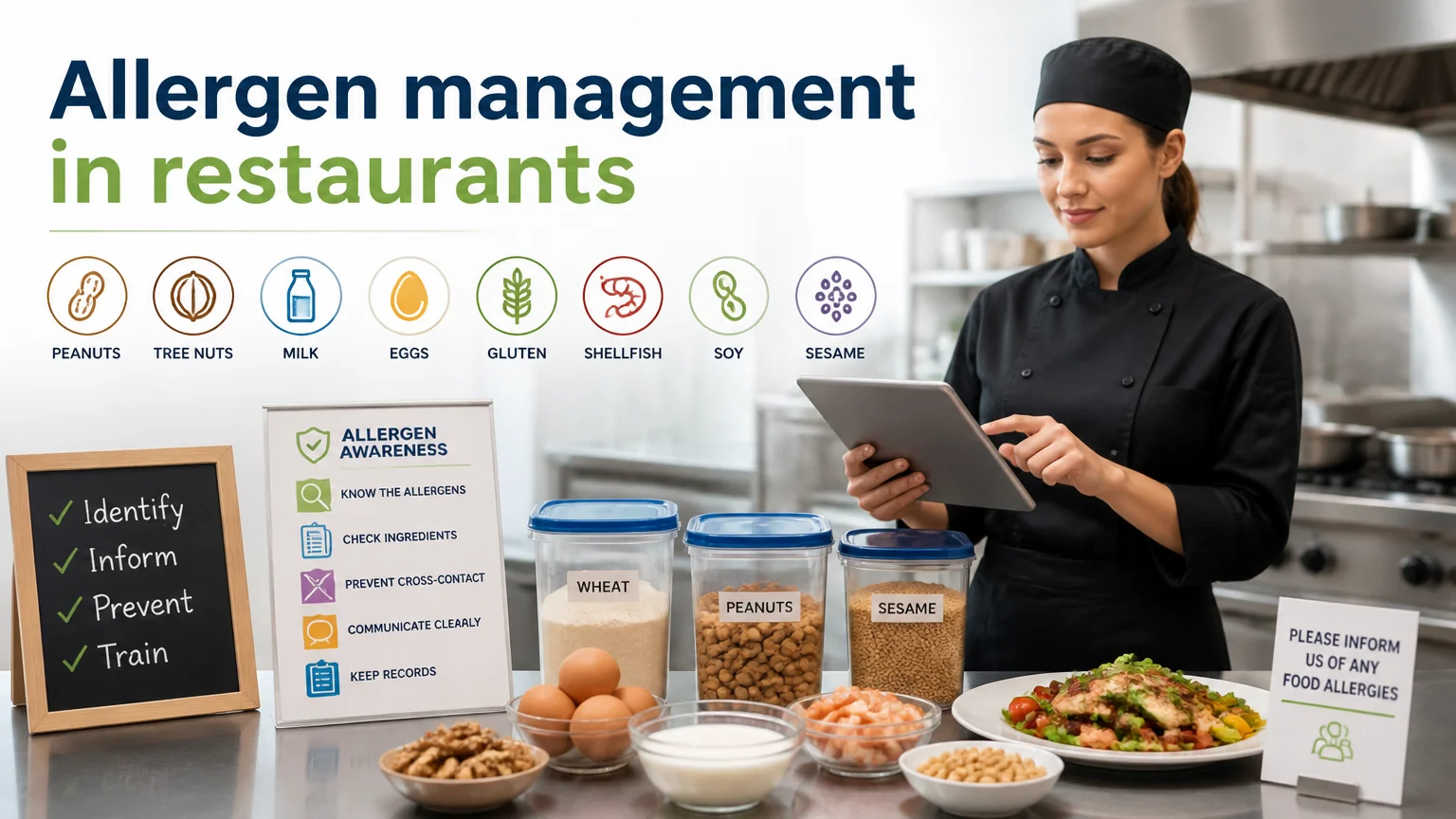
Although any food can cause an allergic reaction, there are some "usual suspects":
It is crucial to remember that every person is different, and allergies can vary significantly. What is safe for one person could be dangerous for another.
Now that we have a solid foundation, let''s see how you can provide real and effective support.
Knowledge is power, especially when dealing with food allergies. The more you know, the better you can help!
It''s not enough to know that your friend is allergic to nuts. Dig deeper. What kind of nuts? How sensitive are they? Can a small trace trigger a reaction? What specific brands or products must they avoid? Asking specific questions shows that you care and are willing to go the extra mile to understand their needs.
It is vital to know how to identify the signs of an allergic reaction, from the mildest to the most severe. Some common symptoms include:
If you suspect someone is having an allergic reaction, act quickly. Every second counts!
A safe environment is essential for people with food allergies. This involves taking precautions both at home and when you go out.
If your friend or family member visits you, consider turning your home into an "allergen-free zone," at least temporarily. This means:
A little effort can make a big difference!
Going out to eat or attending social events can be a challenge for people with food allergies. Here are some ways to help:
Planning and communication are key!
Food allergies affect not only physical health but also emotional well-being. Providing emotional support is just as important as taking physical precautions.
Simply being there to listen to your friend or family member can make a huge difference. Validate their feelings, acknowledge their frustrations, and let them know they are not alone. Avoid minimizing their concerns or making insensitive comments like "it''s just an allergy."
Food allergies can generate stress and anxiety, especially in children. Encourage your friend or family member to seek professional help if necessary. You can also help reduce stress by creating a relaxed and positive environment, and encouraging activities they enjoy.
Being prepared for an emergency is crucial. Don''t wait for something to happen to get informed!
Anaphylaxis is a severe allergic reaction that can be life-threatening. Symptoms include:
If you suspect someone is experiencing anaphylaxis, call 911 immediately!
Many people with severe food allergies carry an epinephrine auto-injector (EpiPen) with them. Learning to use it correctly can save a life. Ask your friend or family member to show you how to use their EpiPen and practice until you feel comfortable. Remember: when in doubt, use it! It is better to use it unnecessarily than to wait too long.
There are many resources available for people with food allergies and their families. Some places where you can find information and support include:
Helping a friend or family member with a food allergy may seem overwhelming at first, but with knowledge, preparation, and empathy, you can make a huge difference in their life. By becoming an informed and supportive ally, you provide them with the safety and support they need to live a full and healthy life. So go ahead, become that valuable friend or family member!
Search
Popular searches