For Onlinecourses55
|
2026-09-07
For Onlinecourses55
|
2026-09-07

Most common allergies - allergens
If you or someone you know is dealing with food reactions, don’t fret! Our comprehensive guide to understanding and managing allergies is just what you need for a better quality of life.
Hello! If you are reading this, it is likely that you or someone you know is dealing with annoying allergies. Don''t worry, you are not alone! Millions of people worldwide suffer from allergies, and sometimes it can feel like a constant battle. But don''t despair, this complete guide will help you understand what allergies are, which ones are the most common, how to diagnose them and, most importantly, how to manage them to live a full and happy life!
To understand allergies, we must first talk a little about our immune system. Think of it as an army that protects our body from harmful invaders, such as bacteria and viruses. But sometimes this army gets confused and attacks harmless substances, such as pollen or certain foods. That''s where allergies come into play!
When your immune system mistakenly identifies a harmless substance as a threat, it produces antibodies called IgE. These antibodies attach to body cells, and the next time you are exposed to the same allergen, these cells will release chemicals like histamine. Histamine is responsible for many of the annoying symptoms we experience during an allergic reaction, such as itching, sneezing, nasal congestion, and rash.
Allergens are the substances that trigger these allergic reactions. They can be found everywhere, from the air we breathe to the food we eat. Some of the most common allergens include:
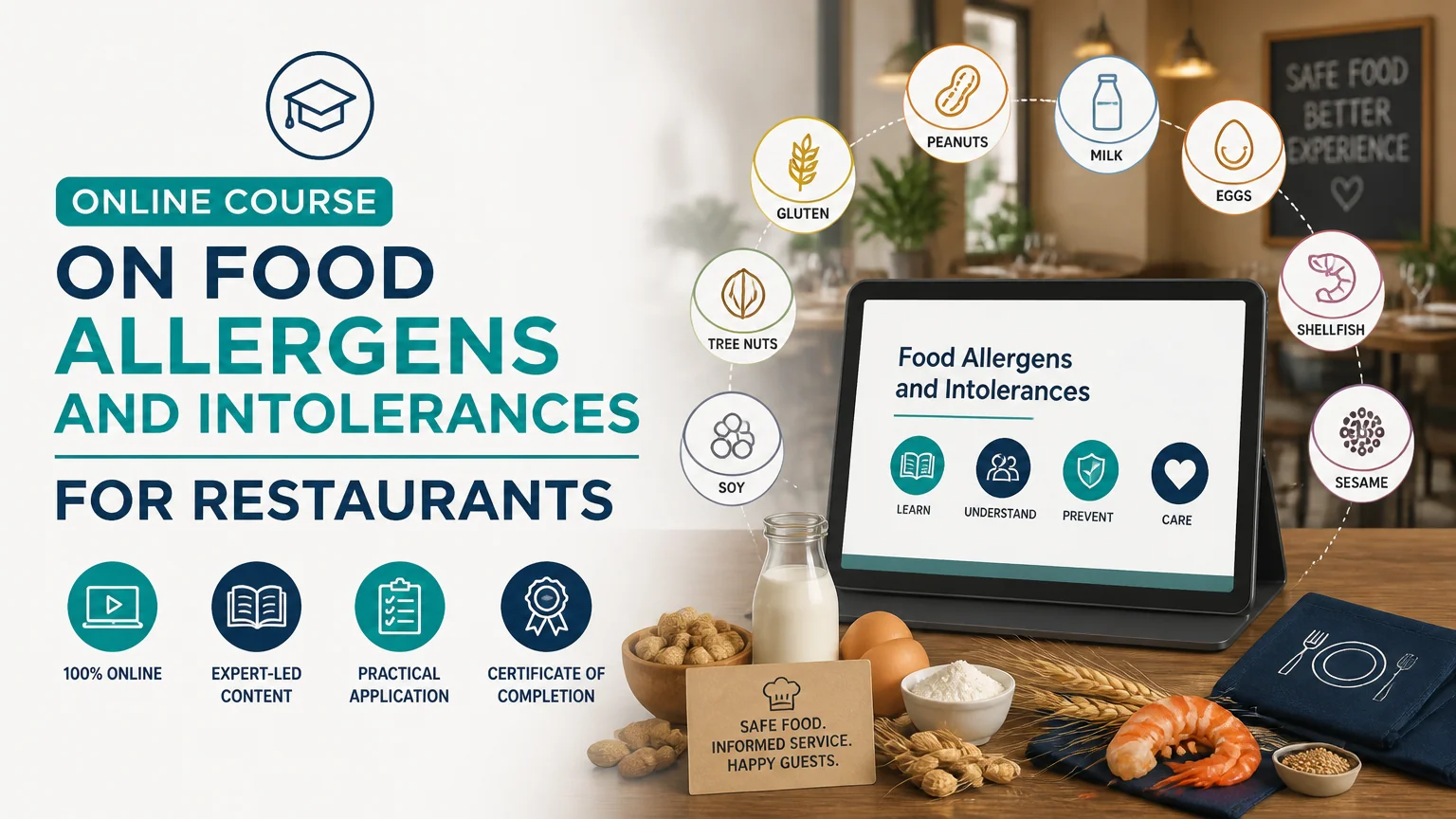
Food allergies are a growing concern, and they can be particularly dangerous. Unlike food intolerances, which cause digestive discomfort, food allergies trigger an immune response that can be life-threatening.
There are eight foods responsible for the majority of food allergies:
It is important to carefully read food labels and ask about ingredients in restaurants if you have a food allergy.
Food allergy symptoms can range from mild to severe. Some of the most common symptoms include:
It is crucial to be able to distinguish between a mild reaction and a severe reaction. Anaphylaxis is a severe allergic reaction that can be life-threatening. Symptoms of anaphylaxis include difficulty breathing, wheezing, tightness in the throat, dizziness, loss of consciousness, and a sudden drop in blood pressure. If you experience any of these symptoms, seek immediate medical attention. Don''t hesitate!
For many people, spring is synonymous with pollen allergies, also known as allergic rhinitis or hay fever. Pollen is a fine powder produced by trees, grasses, and weeds that is released into the air to fertilize other plants.
Pollen allergy season varies depending on the region and the type of pollen. Generally, trees release pollen in spring, grasses in summer, and weeds in fall. Pollen levels are usually higher on dry, windy days.
Fortunately, there are many things you can do to relieve the symptoms of pollen allergy:
Dust mites are microscopic creatures that feed on dead human skin cells. They are commonly found in mattresses, pillows, bedding, carpets, and upholstery. Dust mite allergy is very common and can cause symptoms such as nasal congestion, sneezing, itchy eyes, and difficulty breathing.
Dust mites thrive in warm, humid environments. Some of the most common places they hide include:
Here are some tips to reduce dust mites in your home:
Oh, pet allergy! For many animal lovers, this allergy can be very painful. But what actually causes pet allergy?
Contrary to popular belief, it is not animal hair that causes the allergy, but the proteins found in the saliva, urine, and dander (dead skin) of animals. These proteins adhere to the hair and can disperse throughout the home.
If you are allergic to animals but don''t want to give up your pet, there are some things you can do to minimize symptoms:
If you suspect you have allergies, it is important to consult an allergist for a proper diagnosis.
Several allergy tests are available, including:
Treatment for allergies varies depending on the severity of symptoms and the type of allergy. Some common treatment options include:
Although it is not always possible to prevent allergies entirely, there are some things you can do to reduce the risk of developing allergies or minimize symptoms.
A strong immune system can help protect you from allergies. Here are some tips to strengthen your immune system:
The most effective way to prevent allergic reactions is to avoid exposure to allergens.
Allergies can be frustrating and annoying, but they don''t have to control your life. With the right diagnosis, the right treatment, and a conscious lifestyle, you can live a full and happy life despite your allergies. Don''t give up! Consult an allergist and find the strategies that work best for you. You can do it!
Q1: Are allergies hereditary?
Yes, there is a genetic predisposition to allergies. If your parents have allergies, you are more likely to have them too. However, you will not necessarily develop the same allergies as your parents.
Q2: Can I develop allergies later in life?
Yes, it is possible to develop allergies at any age. In fact, some people develop allergies in adulthood that they never had before.
Q3: Is there a cure for allergies?
Currently, there is no definitive cure for allergies. However, immunotherapy can help desensitize your body to allergens and reduce symptoms.
Q4: What should I do if I have a severe allergic reaction?
If you have a severe allergic reaction (anaphylaxis), use an epinephrine autoinjector (if you have one) and seek immediate medical attention.
Q5: How can I know if I am developing an allergy?
If you experience symptoms such as itching, sneezing, nasal congestion, rash, or difficulty breathing after exposure to a specific substance, consult an allergist for allergy testing.
Search
Popular searches