For Onlinecourses55
|
2026-01-19
For Onlinecourses55
|
2026-01-19

Online course on food allergens, intolerances, and food safety - allergens
Discover the importance of understanding food allergens and intolerances. Join our complete guide on allergens and their management, ensuring safety in any dining experience.
Food allergies and intolerances are a growing concern worldwide. They not only affect the quality of life of those who suffer from them but also represent a significant challenge for the food industry and consumer safety. Therefore, adequate training in this field is essential. Can you imagine opening a restaurant and not knowing how to prevent a severe allergic reaction in a customer? A disaster! This article will guide you through the world of online courses on allergens, intolerances, and food safety, showing you why they are crucial, what they should include, and how to choose the best one for you.
Training in food allergens and intolerances is no longer an option; it is a necessity. But why?
Allergies and intolerances are on the rise. More and more people are diagnosed with allergies to common foods such as nuts, gluten, or lactose. This means that food professionals must be prepared to handle these situations and ensure the safety of all their customers. Think about it: a few years ago, how many gluten-free options did you see in supermarkets? Now, they are everywhere!
An allergic reaction can be mild, but it can also be fatal. A simple mistake in food handling can have devastating consequences. Adequate training helps prevent these situations and protect public health. It''s not just about following the rules; it''s about saving lives.
Why choose an online course instead of a face-to-face course? Here are some compelling reasons:
Do you have a complicated schedule? Online courses allow you to study at your own pace and from anywhere. You can access the materials whenever it suits you, without worrying about fixed schedules. Learning from the couch in pajamas!
Allergen legislation is constantly changing. A good online course will stay updated with the latest regulations and provide you with the most relevant and accurate information. You wouldn''t want to be applying obsolete rules, would you?
Beyond theory, an effective online course will teach you practical skills for managing allergens in your business or personal life. You will learn to identify risks, implement preventive measures, and act in case of an emergency. Let''s get to work!
Not all online courses are the same. Here are some key points you should look for:
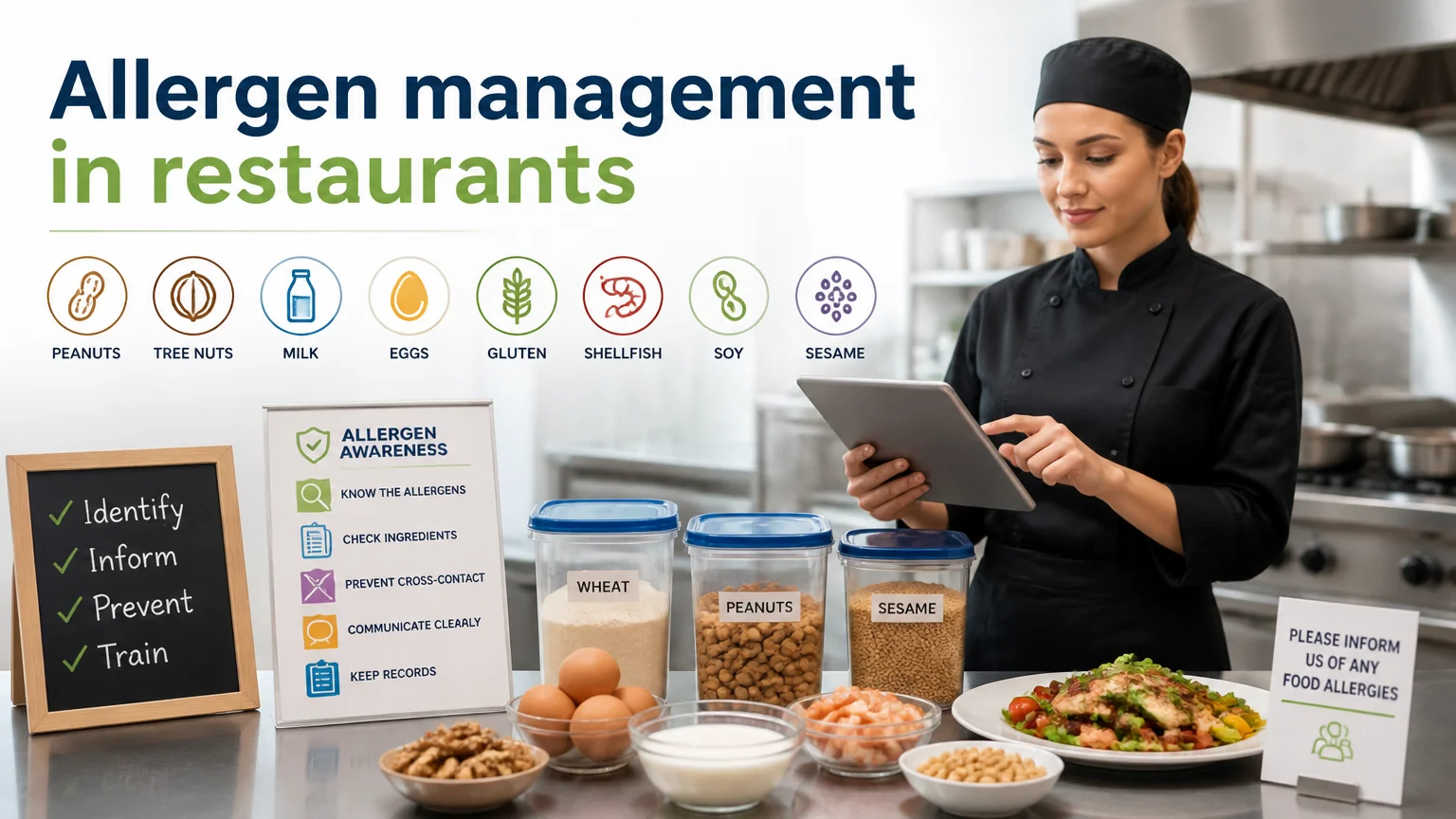
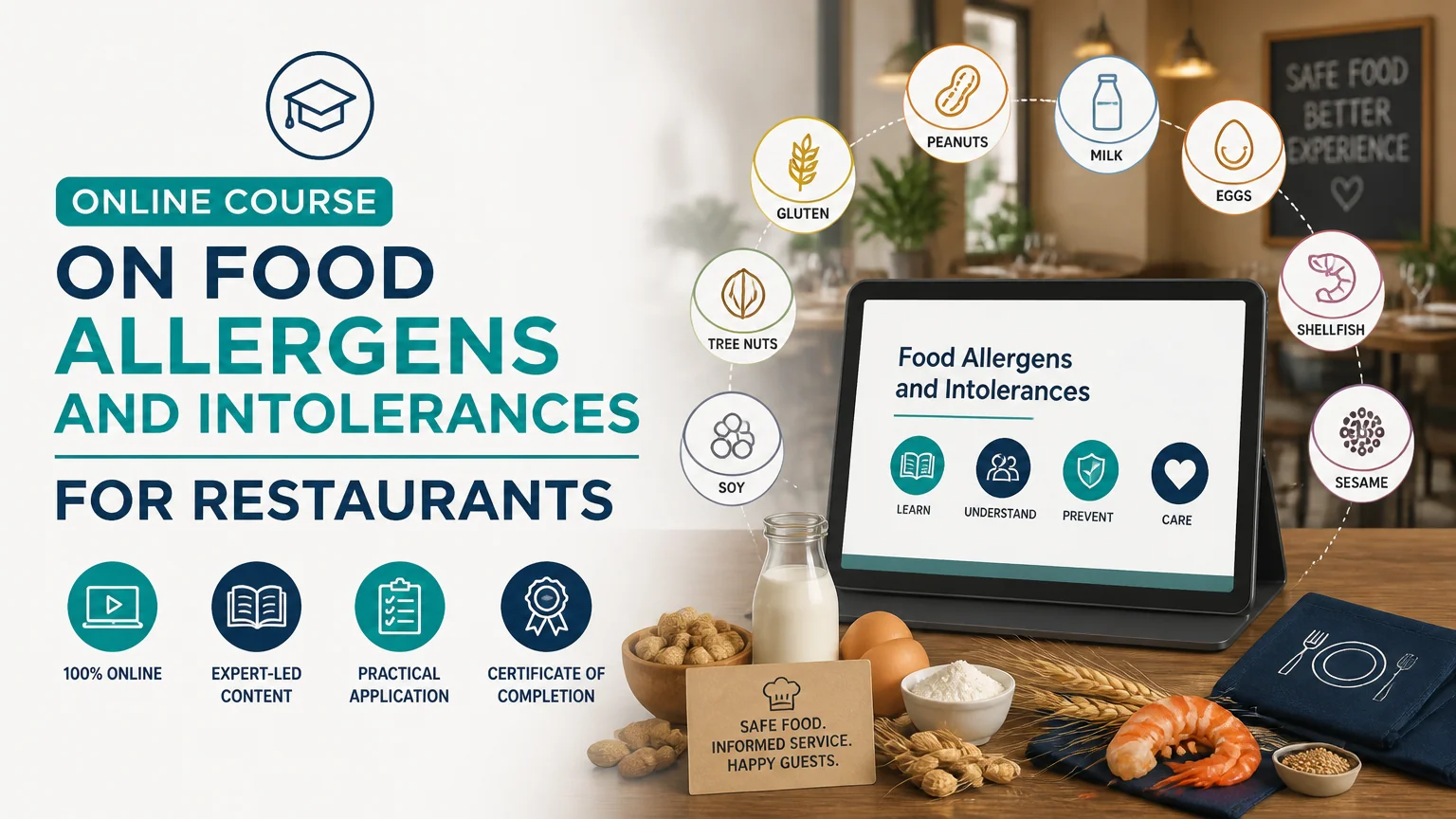
A good course must cover the most common allergens and how to manage them properly.
These are just a few examples, but it is essential that the course delves into each one, explaining its characteristics, how to identify them, and how to avoid cross-contamination.
Learning to read and interpret food labels is crucial for identifying hidden allergens. It is also important to know how to provide clear and accurate information to consumers. Transparency is key!
What should you do if a customer suffers an allergic reaction at your establishment? A good course will provide you with the knowledge and tools necessary to act quickly and effectively. Being prepared saves lives!
With so many options available, choosing the right course can be overwhelming. Here are some tips:
Research the reputation of the course provider. Does it have good reviews? Is it accredited by a recognized entity? Don''t trust empty promises; look for proof of quality.
Make sure the course content is updated with the latest regulations and is relevant to your sector. A generic course may not be sufficient; look for one that adapts to your specific needs.
Read the reviews and testimonials from other students. Are they satisfied with the course? Did they find it useful? The experience of others can be a good guide.
Food safety is the foundation of allergen management. Without a solid foundation in food safety, it is impossible to guarantee the safety of allergic consumers.
European and national legislation establishes the minimum requirements that food business operators must meet regarding allergens. Knowing and complying with this regulation is essential. The law is the law!
Good hygiene and food handling practices are essential to prevent cross-contamination. Washing hands, cleaning surfaces, and using separate utensils are just some of the measures you should take.
Cross-contamination is one of the main causes of allergic reactions. Learning how to prevent it is essential to ensure the safety of allergic consumers. Watch out for crumbs!
In summary, an online course on allergens, intolerances, and food safety is a valuable investment for food professionals and anyone who wants to protect their health and the health of others. It will not only provide you with the necessary knowledge and skills to manage allergens safely but will also help you comply with current regulations and improve the quality of life for people with allergies. So, what are you waiting for? Start your training today!
Search
Popular searches