For Onlinecourses55
|
2026-05-26
For Onlinecourses55
|
2026-05-26
Nutrition for overweight endomorphs - diets endomorphs
Let's transform the way you view your relationship with food as an endomorph! Our nourishing course is here to support your journey to a healthier mindset.
Hello everyone! If you are an endomorph and are struggling with being overweight, you are not alone! This article is your complete guide to understanding your body and designing a nutritional strategy that will help you achieve your goals. Ready to start this journey together?
Okay, before diving into nutrition, it's crucial to understand what it means to be an endomorph. It's not just about "having a large build," but a genetic predisposition that influences how your body stores and processes energy.
Endomorphs generally have:
This predisposition can mean that endomorphs face challenges such as:
The good news is that with the right nutrition, you can control your weight and improve your health. Here are the key principles:
The fundamental pillar of any weight loss plan is creating a caloric deficit, meaning consuming fewer calories than you burn. But be careful! This is not about starving yourself. A moderate caloric deficit (around 500 fewer calories per day) is more sustainable long-term. Imagine your body is a car: if you don't give it enough fuel, it won't run correctly.
Proteins are essential for building and repairing tissues, and they also help you feel full longer. Aim to consume at least 1.2 - 1.5 grams of protein per kilogram of body weight. Good protein sources include:
Carbohydrates are not the enemy, but it is crucial to choose the correct types and consume them at the right time.
Healthy fats are crucial for hormonal health, vitamin absorption, and brain function. Choose unsaturated fats, such as:
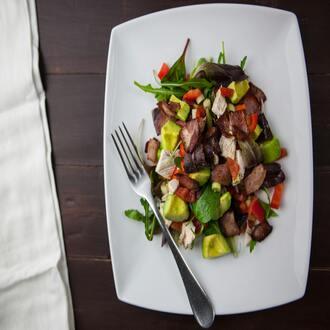
Here is an example of a day of meals to give you an idea:
Nutrition is important, but exercise is fundamental. Strength training helps you build muscle, which increases your basal metabolism (the amount of calories you burn at rest). Cardio helps you burn calories and improve your cardiovascular health. Try to combine both types of exercise.
Lack of sleep and chronic stress can sabotage your weight loss efforts. Insufficient sleep alters the hormones that regulate appetite, and stress increases cortisol production, which can promote abdominal fat storage. Try to sleep at least 7-8 hours per night and find ways to manage stress (meditation, yoga, spending time in nature).
Supplements can be useful, but they are not magical. Some supplements that might benefit you include:
Consult a health professional before starting to take any supplement.
Run away from diets that promise quick and easy results! These diets are unsustainable long-term and can be detrimental to your health.
Processed carbohydrates (white bread, white pasta, sweets, sodas) are digested quickly, causing blood sugar spikes and contributing to weight gain. Limit their consumption as much as possible.
Consistency is key. Don't expect to see results overnight. Follow your nutrition plan consistently and be patient with yourself.
Don't obsess over the scale. Focus on setting realistic and achievable goals. For example, losing 0.5-1 kg per week is a healthy and sustainable goal.
Keeping a food journal helps you be aware of what you are eating and identify areas where you can improve.
Your body will change over time, so it's important to adjust your eating plan as needed. Pay attention to how you feel and consult a health professional if you have any questions.
Remember that nutrition for overweight endomorphs is a personal journey. There is no one-size-fits-all solution. Experiment, learn from your mistakes, and find a plan that works for you. Don't give up! With patience, consistency, and the right information, you can achieve your goals and transform your life. You got this!
1. Can I eat carbohydrates if I am an endomorph? Yes, but you should choose complex carbohydrates (oats, brown rice, quinoa) and consume them in moderation, preferably before or after exercise.
2. How much protein should I consume per day? Aim to consume at least 1.2 - 1.5 grams of protein per kilogram of body weight.
3. What type of exercise is best for endomorphs? The ideal is to combine strength training (to build muscle and increase metabolism) with cardio (to burn calories).
4. Are supplements necessary for weight loss? They are not necessary, but some supplements (protein powder, creatine, omega-3, vitamin D) can be useful to complement your diet and improve your performance.
5. How long will it take to see results? It depends on several factors, such as your level of physical activity, your metabolism, and your adherence to the eating plan. Be patient and consistent, and you will see results over time.
Search
Popular searches