For Onlinecourses55
|
2026-06-09
For Onlinecourses55
|
2026-06-09

What types of fats are healthy for an endomorph? - diets endomorphs
Hello everyone! Are you wondering about the role of healthy fats as an endomorph? This article will clarify the best fats for your diet. Explore our comprehensive course which will provide insights into essential dietary choices to help you thrive on your health journey!
Hello everyone! If you are an endomorph, you are probably constantly looking for the best way to optimize your diet to achieve your health and fitness goals. One of the most confusing aspects can be the topic of fats. Which ones are good? Which ones are bad? Don't worry, I'm here to help you clarify all this! Let's dive into the world of healthy fats for endomorphs.
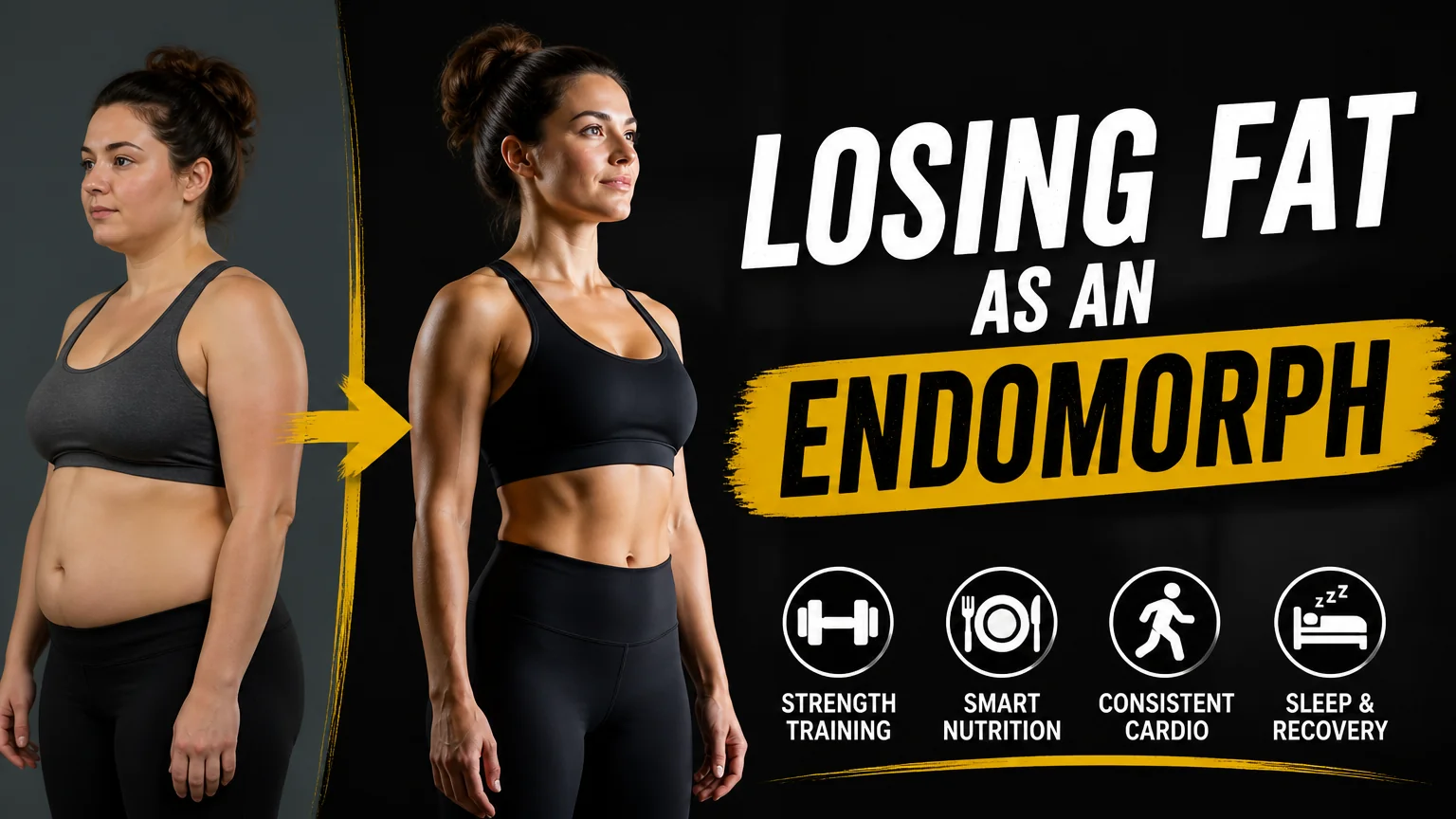
Before talking about fats, it's important to understand what it means to be an endomorph. In simple terms, it refers to a body type characterized by an easier time gaining muscle mass and fat, and generally having a more rounded physique. Does that sound familiar?
But watch out! Being an endomorph is not a sentence. With the right diet and exercise, you can achieve your fitness goals.
Many believe that fats are the enemy, but the truth is they are essential for our health. Fats are necessary for:
So don't eliminate them completely!
Absolutely false! Not all fats are created equal. Some are your friends, and others... well, let's say it's better to keep them at a distance. The key is to choose the right fats and consume them in moderation.
Now we get to the important part! What type of fats should you prioritize if you are an endomorph?
These fats are wonderful for cardiovascular health and can help reduce "bad" cholesterol (LDL). Furthermore, they promote a feeling of satiety, which can be very useful for controlling appetite.
These fats are essential because our body cannot produce them on its own, so we must obtain them from food! They are important for brain function, cardiovascular health, and reducing inflammation.
While we need omega-6, most people consume too much. It is important to maintain a healthy balance between omega-3 and omega-6.
Saturated fats have a bad reputation, but some sources can be part of a healthy diet if consumed in moderation. The problem is that in excess, they can raise LDL cholesterol.
These fats are the worst for your health. They raise LDL (bad) cholesterol and lower HDL (good) cholesterol, increasing the risk of heart disease. Avoid them like the plague!
While some saturated fats may be acceptable in small amounts, excess can be harmful. Pay attention to nutritional labels and limit the consumption of foods rich in saturated fats, especially if you have cholesterol issues.
Healthy fats help regulate metabolism and provide sustained energy, which is crucial for endomorphs who tend to have a slower metabolism.
Fats are essential for hormone production and promote the feeling of satiety, which can help control appetite and maintain a healthy weight.
In summary, if you are an endomorph, you should not fear fats, but learn to choose the right ones! Prioritize monounsaturated and polyunsaturated fats, moderate the consumption of saturated fats, and avoid trans fats at all costs. Incorporate foods rich in healthy fats into your daily diet and enjoy the benefits for your health and well-being. Remember that a balanced diet and an active lifestyle are key to achieving your goals. Go for it!
The amount of fat you should consume depends on your individual needs, but a good rule of thumb is to aim for fats to represent between 25% and 35% of your daily caloric intake. Consult with a nutritionist for a personalized plan!
Coconut oil contains saturated fats, so it is best to consume it in moderation. One or two tablespoons a day may be acceptable for some people, but don't overdo it.
Yes! Healthy fats can help you control your appetite and maintain a healthy metabolism, which can facilitate weight loss. But remember that balance is key.
If you don't like fish, you can get omega-3 from other sources such as chia seeds, flaxseeds, walnuts, or fish oil supplements.
If you don't regularly consume fatty fish or have difficulty getting enough omega-3 from your diet, a supplement may be beneficial. Consult your doctor or nutritionist to determine if it is right for you.
Search
Popular searches