For Onlinecourses55
|
2026-07-21
For Onlinecourses55
|
2026-07-21

Overcoming family conflicts over inheritance and assets - family conflict resolution
Understanding the emotional layers behind tricky topics like inheritance is crucial. Enhance your skills with this enlightening program focused on managing family conflicts to nurture relationships and promote understanding.
Talking about inheritances and family assets can stir up fears, memories, and expectations. The numbers matter, but almost always the real conflict is born of emotions: a sense of injustice, lack of recognition, or old wounds that resurface. The good news is that these clashes can be channeled with preparation, clear communication, and practical agreements. Below you’ll find a guide to understand the root of the problem, prepare productive conversations, negotiate realistically, and, if needed, lean on professionals. The goal is not to “win” against the other party, but to build a fair and sustainable solution that preserves the family relationship.
Before discussing numbers or specific items, it’s worth recognizing what lies beneath the surface. Inheritances touch identity: who cared, who sacrificed, who was seen, who wasn’t. If it isn’t named, it seeps into every conversation. Putting words to these layers isn’t an emotional luxury; it’s the foundation for negotiating with less friction and more focus.
A well-prepared conversation saves weeks of recriminations. Gathering data, clarifying objectives, and agreeing on a basic framework reduces improvisation, which is fuel for a fight. Think of this phase as the scaffolding of the dialogue: the more solid it is, the less the process wobbles.
In sensitive moments, form matters as much as substance. Choosing words, timing, and attitudes helps the message land without escalating the conflict. It’s not about “swallowing” what you feel, but expressing it in a way the other person can hear.
An effective negotiation combines clear criteria, creativity in options, and commitment to the process. Focusing the conversation on interests rather than positions opens up alternatives that seemed impossible. It also helps to slice the “pie” into components instead of arguing over it as an indivisible block.
When the conversation gets stuck, a neutral third party helps organize issues, manage speaking turns, and turn reproaches into proposals. Mediation does not impose a solution; it helps you build one. Notaries, lawyers, and appraisers provide legal certainty and reliable data to reduce speculation.
It is the asset with the greatest emotional weight. If someone wants to keep it, consider installment payments, an intra-family mortgage, or rent-to-own to compensate the others. Alternative: sell and set aside a percentage to cover moving expenses or family remembrance (digitize photos, restore objects with sentimental value).
Separating ownership and management helps. The person who runs it can receive a market salary and a reporting plan, while ownership is distributed according to agreed criteria. Consider shareholders’ agreements, exit clauses, and clear dividend policies to avoid future confusion.
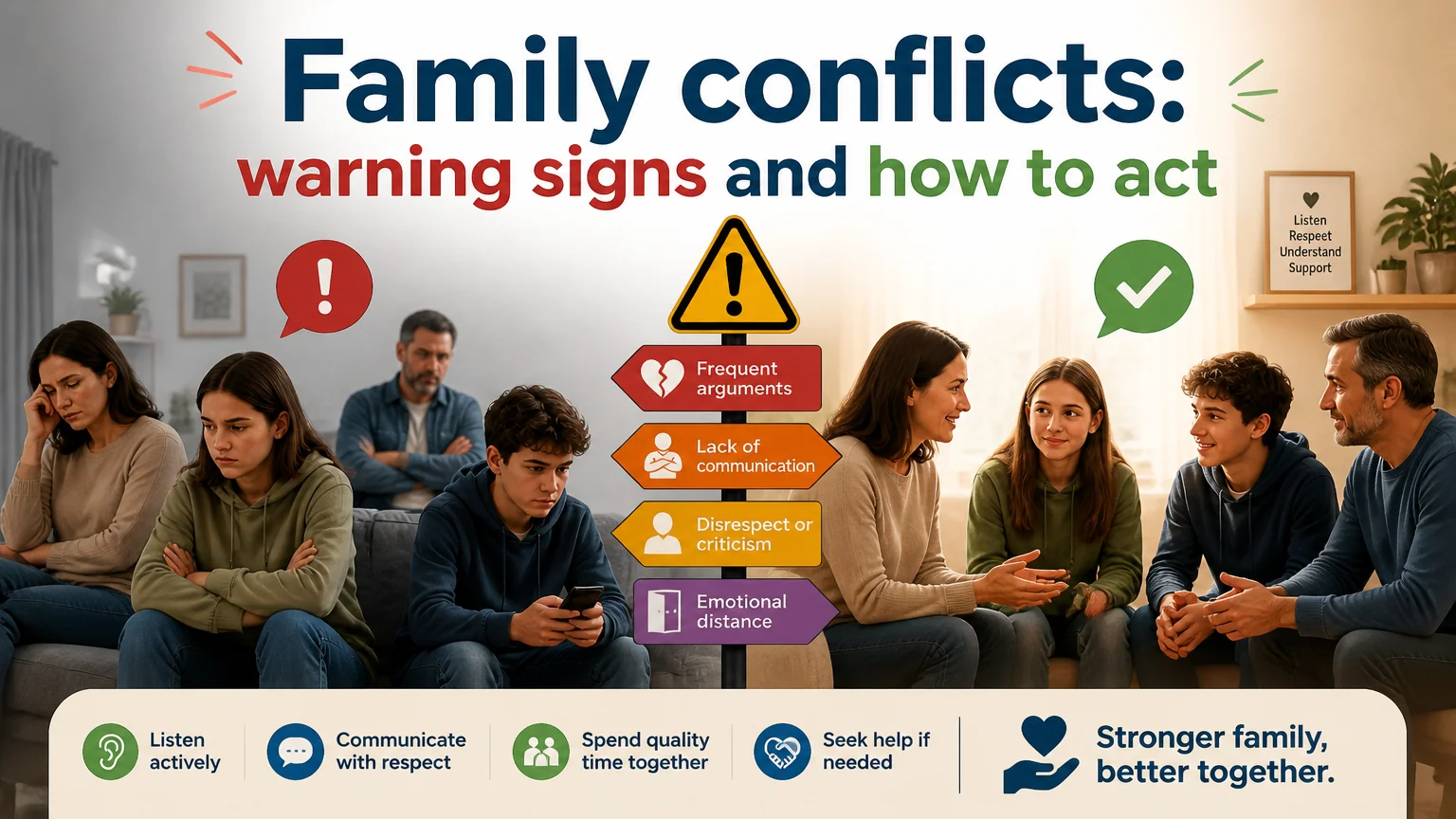
Spotting these deviations in time allows you to pause, correct course, and resume the dialogue under better conditions.
Negotiating while going through grief is demanding. Taking care of rest, dividing tasks, and acknowledging limits prevents blowups. Not everything has to be resolved in a single meeting; taking smart pauses is as strategic as closing a sensitive point. Remembering that the family will exist after the distribution helps prioritize the bond over the last tenth of value.
The best way to “win” an inheritance is for the conflict not to erupt. Planning in life isn’t pessimism; it’s care. Leaving clear instructions and discussing the criteria reduces painful interpretations and comparisons. A plan thought out today is a gift of peace of mind tomorrow.
There are times when pressing on by yourself makes things worse. If every attempt ends in shouting, if one party systematically blocks the process, or if there are suspicions of asset concealment, it’s time to bring in mediation or legal counsel. Acting in time prevents the conflict from escalating to the courts, which are slower, more expensive, and more damaging to the relationship.
Overcoming family conflicts over inheritances and assets is possible when three pillars come together: clarity (data and criteria), care (communication that protects the bond), and commitment (concrete, verifiable steps). If each member contributes in these three dimensions, even difficult histories find a channel. The material is divided; the relational side is cared for. That balance is the true measure of success.
Search
Popular searches