For Onlinecourses55
|
2026-03-08
For Onlinecourses55
|
2026-03-08

The role of empathy in the resolution of family conflicts - family conflict resolution
Developing empathy within the family can ease tensions; explore a practical course focused on enhancing family relationships through conflict resolution and communication skills.
Empathy is the ability to perceive and understand what another person feels and needs while remaining aware of your own feelings and needs. In a family, this skill is crucial because bonds are intense, family members share a history, and expectations can be strong. There are three complementary forms: cognitive empathy (understanding another person’s point of view), emotional empathy (resonating with their feelings), and compassionate empathy (turning understanding into practical support). When these dimensions are balanced, they create fertile ground for addressing disagreements without letting conversations spiral into blame, sarcasm, or prolonged silence.
Far from being passive, empathy is an active practice that involves observing, asking, reflecting, and validating. It does not mean agreeing at all costs. Instead, it means recognizing that another person’s experience is valid, even when it differs from your own. This recognition opens the door to more realistic, lasting agreements.
During an argument, the body enters defense mode: tension rises, focus narrows, and negative interpretations increase. Empathy acts as an emotional “handbrake.” When we feel heard, the sense of threat decreases, allowing reasoning and flexibility to return. Each person can then stop fighting to win and start working together to find a solution.
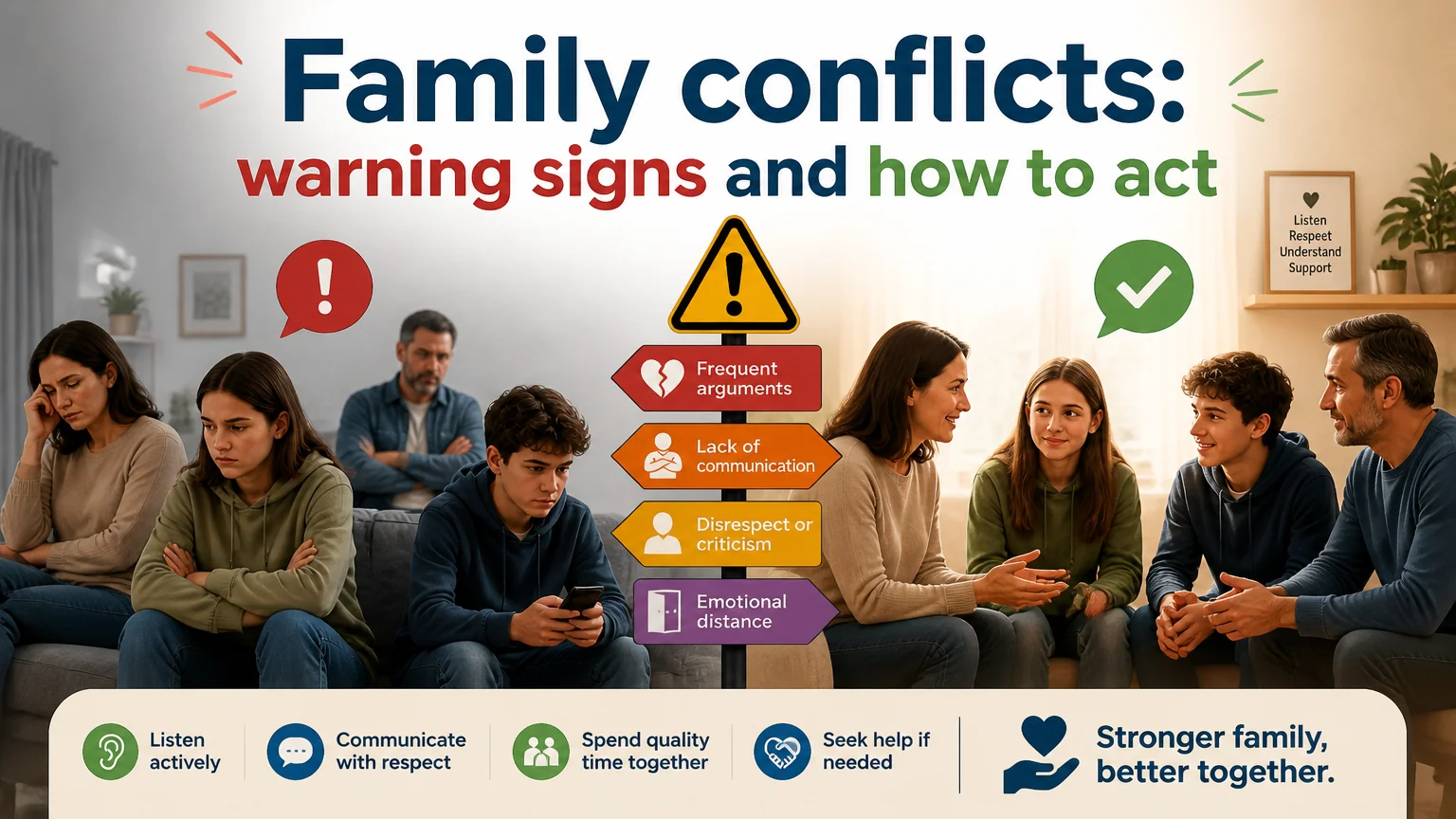
Even with good intentions, certain family dynamics undermine connection. Recognizing them is the first step toward changing them.
Before talking, identify your core emotion and the value behind it. Ask yourself: “What do I need to protect or achieve?” Take a deep breath, adjust your tone, and agree on a time and place without interruptions. If you are too worked up, postpone the conversation while making a clear commitment to return to it. Empathy starts with self-regulation, so you do not take your feelings out on someone else.
Summarize the agreed points in writing to avoid misunderstandings. Acknowledge a gesture from the other person that shows they value the relationship, however small. Schedule a brief check-in to adjust the agreement. Following through is empathy in action: it shows commitment, not just good intentions.
“When I get home and see the messy kitchen, I feel overwhelmed because it seems like everything falls on me. I need things to be predictable. What is your perspective?” Empathic response: “I understand that this feels overwhelming. I focus on the children and leave the kitchen until later, but I do not communicate that. I suggest that I take care of it on Mondays and Wednesdays, while you handle Tuesdays and Thursdays. On the weekend, we can do it together for 20 minutes after lunch.”
“I was worried when you got home late and did not respond. Your safety matters to me. What happened?” Empathic response: “I lost track of time and was afraid of your reaction. I can share my location and let you know if I am running late. In return, can we discuss my curfew on Fridays?”
“I feel that I handle most of the medical appointments, and I am burning out. I need us to divide the work more fairly.” Empathic response: “I had not realized how much you were taking on. I can take Tuesday and Thursday mornings and coordinate with the pharmacy. Let’s create a schedule and review it in two weeks.”
Consistency matters more than perfection. Small, sustained rituals transform patterns.
Use fewer arguments and offer more reassurance. Choose brief phrases, breathe slowly, validate primary emotions, and suggest a structured break with a set time to return.
Explore the interests behind each position, map out options, and assess costs and benefits together. Recording agreements helps prevent setbacks.
Acknowledge the harm, apologize without excuses, and agree on safeguards to prevent a repeat. Here, empathy means taking responsibility rather than justifying yourself.
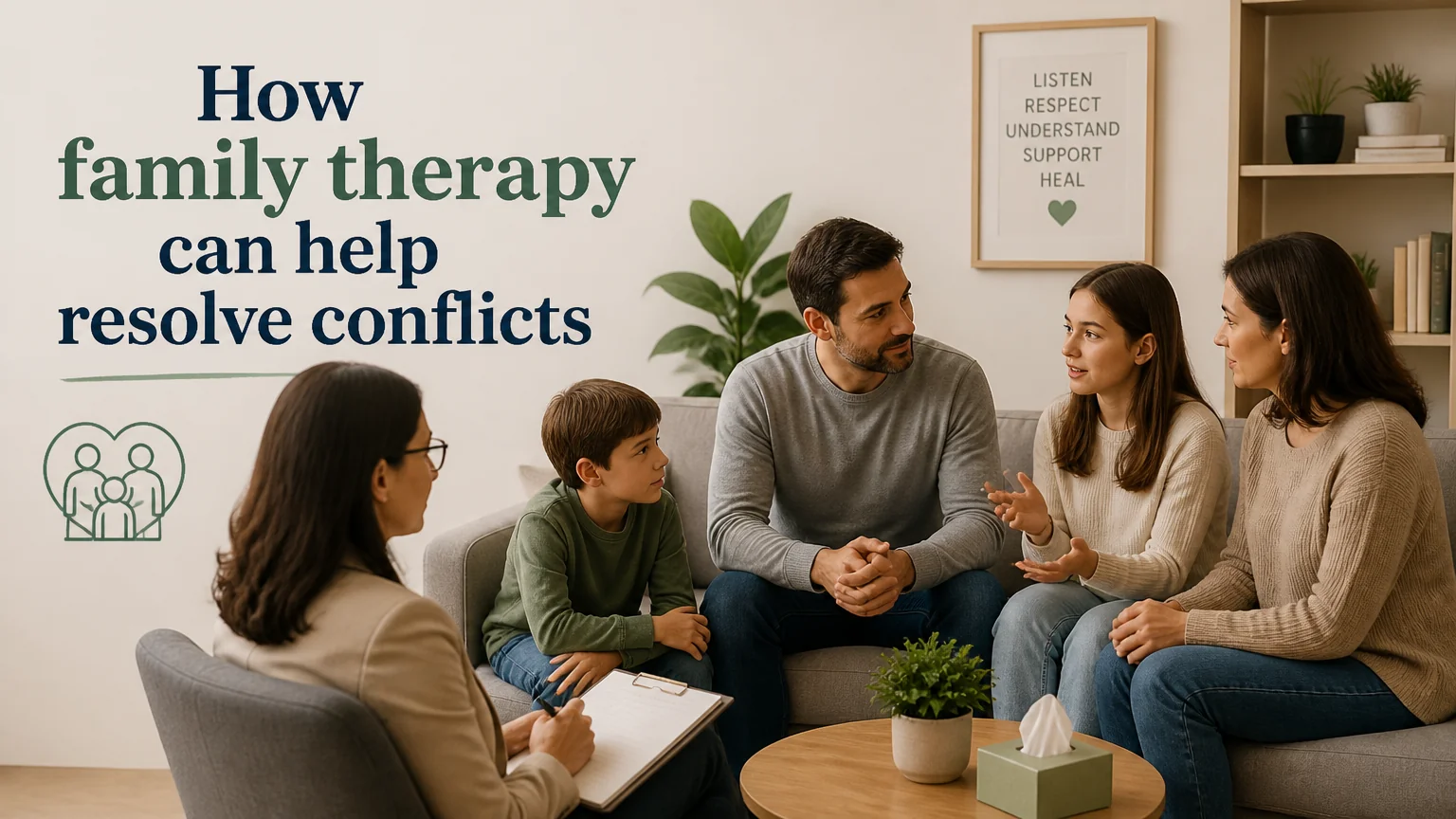
A mediator, family therapist, or counselor can offer structure, neutrality, and tools when a family’s internal resources are not enough to address its dynamics.
Empathy is not about giving in or putting up with things; it is about understanding so you can make better decisions. When people feel seen and safe, they collaborate more and fight less. Practicing empathy takes discipline: regulating yourself, listening sincerely, validating without exaggeration, and making specific agreements. Practiced consistently, empathy not only reduces everyday friction; it also strengthens the bonds and trust that support a family through difficult times.
Search
Popular searches