For Onlinecourses55
|
2026-01-25
For Onlinecourses55
|
2026-01-25

How does nutrition help prevent falls in older adults? - nutrition geriatrics
Understanding the significance of a nutrient-rich diet can be vital for maintaining balance in our later years. Join us in this enlightening course focused on nutrition for older adults to learn how to nurture a strong body and prevent falls.
Hello, everyone! If you’re reading this, you’re probably concerned about the safety of a loved one, or perhaps your own. As we get older, falls become a serious concern. But did you know that nutrition plays a crucial role in preventing falls? It’s not just about avoiding trips; it’s about building a strong, resilient body from the inside out. In this article, we’ll explore how a well-balanced diet can be your best ally in helping you stay on your feet and enjoy an active, healthy life in your later years. Think of nutrition as the foundation of a house: if it’s solid, everything else stays upright!
Before we dive into the details of nutrition, it’s important to understand why older adults face a higher risk of falls. It’s not just a matter of “getting clumsy”; several factors are involved.
As we get older, we experience natural changes in our bodies. We lose muscle mass (sarcopenia), our bones become more fragile (osteoporosis), and our vision and balance can be affected. These changes make us more vulnerable to falls. Imagine your muscles are a car’s shock absorbers; if they wear out, every bump feels stronger.
Many medical conditions common among older adults, such as arthritis, diabetes, heart disease, and vision problems, can increase the risk of falls. These conditions can affect mobility, balance, and strength, making it harder to stay steady. It’s like trying to steer a boat with a broken rudder.
Many older adults take multiple medications, and some of these can have side effects that increase the risk of falls. Dizziness, drowsiness, confusion, and disorientation are some common side effects that can contribute to falls. It’s crucial to review your medications with your doctor, especially if you notice new symptoms or changes in your balance!
Now we’ve reached the juicy part! What specific nutrients can help you prevent falls?
Calcium and vitamin D are a dynamic duo when it comes to bone health. Calcium is the main component of our bones, while vitamin D helps the body absorb calcium. A deficiency in calcium and vitamin D can lead to osteoporosis, increasing the risk of fractures from falls. Getting enough of both nutrients can help support bone strength, although individual needs may differ.
Protein is essential for maintaining and building muscle mass. As we get older, we naturally lose muscle mass, which can affect our strength and balance. Getting enough protein helps counter this loss and keep us strong and agile. Think of protein as the bricks that build a strong building.
Magnesium plays an important role in nerve and muscle function, as well as bone health. A magnesium deficiency can contribute to muscle weakness, cramps, and balance problems.
Vitamin B12 is essential for nervous system health. A vitamin B12 deficiency can cause neurological problems, such as numbness, tingling, difficulty walking, and balance problems. These neurological problems can increase the risk of falls.
Vitamin B12 is found primarily in animal-based foods. Older adults, especially those following a vegetarian or vegan diet, or those with absorption problems, may need vitamin B12 supplements. Consult your doctor to find out whether testing or supplementation is appropriate for you!
Don’t underestimate the power of water! Dehydration can have a significant impact on your balance and coordination.
Dehydration can cause dizziness, weakness, confusion, and a drop in blood pressure, which increases the risk of falls. Imagine your body is a plant; if you don’t water it, it wilts and becomes fragile.
It’s not enough to know the key nutrients; you also need to know how to include them in your daily diet.
Plan your meals ahead of time to make sure you get all the nutrients you need. Include a variety of foods from different food groups for a balanced diet. Think of your plate as a rainbow! Preparing a simple weekly meal plan can also make it easier to include a range of nourishing foods.
Everyone is different, and your nutritional needs may vary depending on your age, health, and activity level. Consult a nutritionist or dietitian for personalized recommendations.
Eating regularly helps keep blood sugar levels stable, which can prevent dizziness and weakness. Avoid skipping meals and always keep a healthy snack on hand.
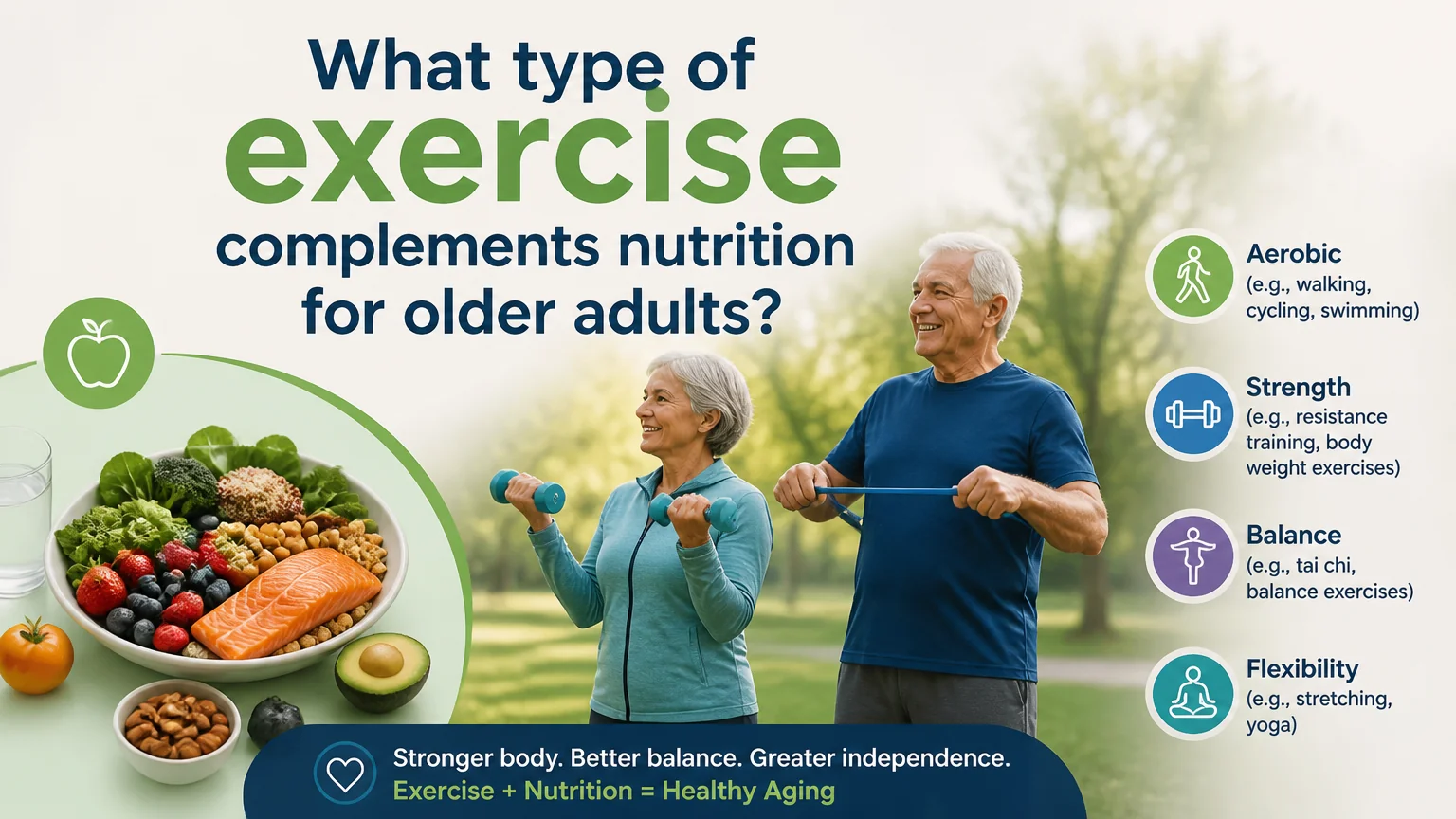
Nutrition and physical activity go hand in hand. A healthy diet provides the energy and nutrients you need to stay active and strong.
A diet rich in protein, complex carbohydrates, and healthy fats will provide the energy you need to engage in physical activities. In addition, nutrients such as calcium, vitamin D, and magnesium are essential for maintaining bone and muscle health, allowing you to move with ease and confidence.
Supplements may be helpful in some cases, but they are not a substitute for a healthy diet.
Before taking any supplements, consult your doctor or nutritionist. They can assess your individual needs and recommend the supplements that are right for you.
[Insert real, anonymous stories here about older adults who have improved their stability and reduced falls thanks to proper nutrition and exercise. It could be something like: “After a hip fracture, Maria, 78, began following a diet high in protein and calcium. Six months later, she had not only recovered but was also walking more steadily and with less fear of falling.”]
[Insert links to health organization websites, registered nutritionists, local support groups, and relevant articles about nutrition and fall prevention.]
Nutrition plays a fundamental role in preventing falls among older adults. A balanced diet rich in calcium, vitamin D, protein, magnesium, and vitamin B12, along with adequate hydration, can help you keep your bones strong, your muscles agile, and your nervous system healthy. Don’t wait any longer to start taking care of your body from the inside out! Remember, prevention is the best medicine!
FAQ 1: How much calcium do I need each day?
The recommended amount of calcium for older adults is 1,200 mg per day.
FAQ 2: What should I do if I have difficulty chewing protein-rich foods?
Choose softer sources of protein, such as scrambled eggs, yogurt, mashed beans, or protein shakes.
FAQ 3: How can I increase my vitamin D intake in winter?
Consider taking a vitamin D supplement, since exposure to sunlight is limited in winter.
FAQ 4: Are there foods I should avoid to prevent falls?
Avoid excessive alcohol and caffeine, as they can affect your balance and coordination.
FAQ 5: How often should I consult a nutritionist?
Ideally, consult a nutritionist at least once a year to assess your individual needs and adjust your eating plan.
Search
Popular searches