ForOnlinecourses55
How to prevent dehydration in older adults? - nutrition geriatrics
Dehydration in older adults is a more common problem than we think, and it often goes unnoticed! Imagine this: a garden that isn't watered enough. Eventually, the flowers wilt, the leaves dry up, and the whole plant suffers. Well, the human body, especially that of older people, functions similarly. It needs water to stay vibrant and healthy. But why is it so important to talk about this, and how can we prevent our loved ones from suffering the consequences?
As we age, our bodies experience changes that make us more vulnerable to dehydration. For example, the sensation of thirst diminishes, meaning we don't always feel the need to drink water, even when our body desperately needs it. Furthermore, the kidneys, which are responsible for regulating fluids, may not function as efficiently as before. It's like having a gardener with less experience!
Detecting dehydration early is crucial. Symptoms can vary, from dry mouth and skin to dizziness, confusion, and fatigue. Imagine trying to solve a puzzle with blurry vision! Ignoring these signs can lead to serious complications, such as urinary tract infections, falls, and even hospitalizations. Therefore, being vigilant and acting quickly is fundamental.
Dehydration is not just a matter of not drinking enough water. There are a series of factors that can contribute to this problem, and understanding them will help us prevent it more effectively.
In addition to decreased thirst and renal function, there are other common causes. Certain chronic diseases, such as diabetes and heart disease, can increase the risk. Diuretic medications, which are used to treat high blood pressure, can also lead to fluid loss. It's as if the medication is draining water from the garden! Likewise, reduced mobility can make access to water difficult, especially for those who depend on others for care.
Chronic dehydration can have devastating consequences for the health of older adults. It can affect cognitive function, increasing the risk of confusion and dementia. It can also cause constipation, kidney stones, and heart problems. It's as if the garden is full of weeds preventing the flowers from growing! In extreme cases, dehydration can be fatal.
Now that we understand the severity of the problem, let's talk about solutions. Fortunately, preventing dehydration is possible with a few simple and effective strategies.
The key to staying hydrated is establishing a routine. Think of it like watering the garden regularly! Encourage the older adult to drink water throughout the day, even if they don't feel thirsty. Offer water with meals, between meals, and before bed.
A very useful technique is the "always full glass." Always keep a glass of water within easy reach. It's like having a hose ready to go! This way, it will be easier to remember to drink and stay hydrated.
Hydration is not limited only to water. Many foods contain a large amount of water and can contribute to keeping us hydrated. Think of them as a fertilizer that also waters the garden! Fruits like watermelon, cantaloupe, and strawberries are excellent options. Also vegetables like cucumber, celery, and lettuce. Incorporate them into the daily diet!
Not everyone likes to drink plain water. It's as if some flowers don't like hose water and prefer rain! Adapt the drinks to individual preferences.
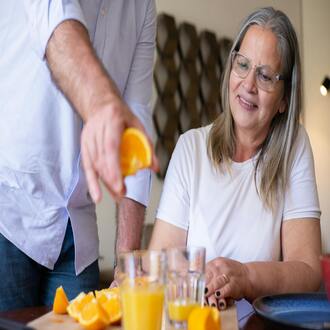
Offer natural juices, herbal infusions, unsweetened tea, and other healthy alternatives. Experiment with different flavors and find what the older adult likes best! Just make sure to avoid sugary drinks, as they can be detrimental to health.
It is important to note that some medical conditions and medications can increase the risk of dehydration. It's as if some plants need more water than others!
As mentioned earlier, diseases such as diabetes, heart disease, and kidney disease can increase the risk of dehydration. It's as if these diseases are stealing the water from the garden! If the older adult suffers from any of these conditions, it is even more important to pay attention to their hydration.
Some medications, such as diuretics, laxatives, and certain antidepressants, can cause fluid loss. It's as if these medications are opening the floodgates of the garden! If the older adult is taking any of these medications, talk to their doctor about adjusting the dosage or recommending other alternatives.
Climate also plays an important role in hydration. It's as if the garden needs more water in summer than in winter!
In hot and dry climates, fluid loss through sweat is greater. It's as if the sun is evaporating the water from the garden faster! Encourage the older adult to drink more water and avoid prolonged sun exposure.
Even in cold and humid climates, dehydration can be a problem. It's as if the garden doesn't need as much water, but it still needs it! Cold, dry air can dry out the skin and respiratory tract, increasing fluid loss. Furthermore, the sensation of thirst may be lower in cold climates, making it easier to forget to drink water.
In addition to the strategies mentioned, there are some practical and creative tips that can help encourage hydration in older adults.
If the older adult has difficulty remembering to drink water, use reminders and alarms. It's like having an automatic gardener reminding you when to water the garden! Set alarms on their phone or use sticky notes in visible places.
Make water more attractive by adding fruits, herbs, or vegetables. It's like adding flowers to the garden to make it more appealing! Prepare homemade flavored water with slices of lemon, cucumber, orange, or mint. Experiment with different combinations and find what the older adult likes best!
In summary, preventing dehydration in older adults is fundamental to ensuring their well-being and quality of life. By understanding the causes and consequences of dehydration, and by implementing simple and effective strategies, we can help our loved ones stay hydrated and healthy. Remember, hydration is a fundamental pillar of well-being in old age! It's as if you are ensuring the garden flourishes and thrives!
The amount of water an older adult should drink per day varies depending on their age, health status, and level of physical activity. However, as a general rule, it is recommended to drink at least 8 glasses of water a day.
Symptoms of dehydration in older adults may include dry mouth and skin, dizziness, confusion, fatigue, dark urine, and decreased urine output.
If you suspect someone is dehydrated, offer them water or a hydrating drink. If symptoms are severe, seek immediate medical attention.
Sports drinks can be a good option for hydration in older adults, especially after physical activity or during hot days. However, it is important to choose sports drinks low in sugar and sodium.
Yes, some foods can contribute to dehydration. Avoid excessive consumption of alcohol, caffeine, and salty foods.