For Onlinecourses55
|
2025-12-14
For Onlinecourses55
|
2025-12-14

Practical guide to geriatric nutrition for family members - nutrition geriatrics
Nutrition plays a vital role in aging healthfully. For those looking to support their elderly loved ones, exploring an in-depth understanding through a course focusing on nutritional needs in old age is highly beneficial.
Old age, that stage of life full of wisdom and experience, also brings with it important changes in our bodies. And in this context, nutrition plays a fundamental role. It's not just about eating, but about nourishing the body to keep it strong, active, and healthy. But why is nutrition so crucial in old age? And, how can we, as family members, ensure that our elderly loved ones are receiving the nutrients they need? Join me in this practical guide to find out!
Imagine your body is a car. As it ages, it needs higher quality fuel and more regular maintenance. The same goes for nutrition in old age. Nutritional needs change, metabolism slows down, and the ability to absorb certain nutrients decreases. Good nutrition can help prevent diseases, maintain muscle mass, strengthen bones, improve brain function, and generally prolong quality of life.
Alright, we already know that nutrition is important, but what exactly does an older adult need? Here I present the key nutrients and why they are so important:
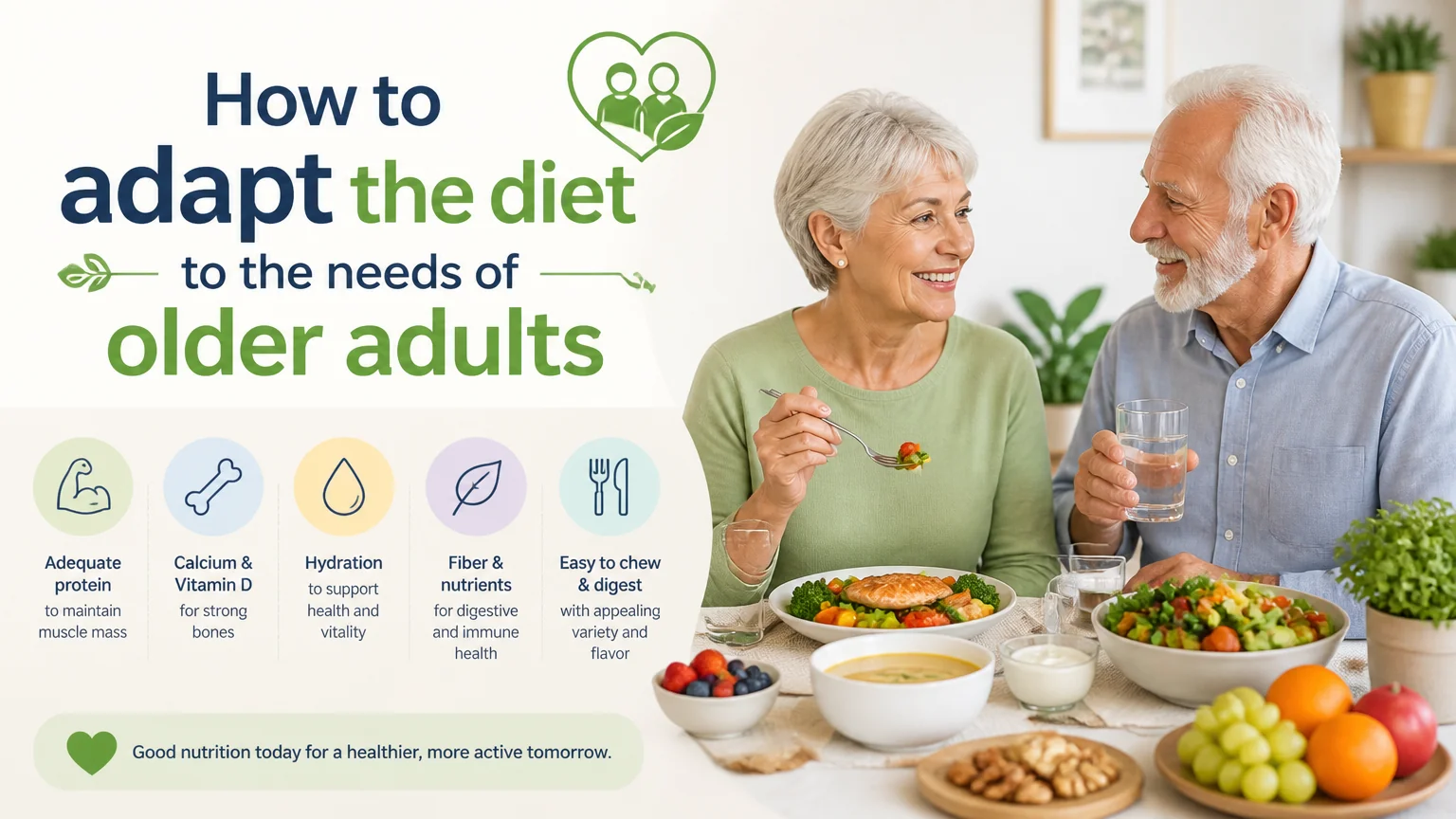
Proteins are like the bricks of our body. They are essential for maintaining muscle mass, repairing tissues, strengthening the immune system, and producing enzymes and hormones. Older adults need even more protein than younger adults, approximately 1-1.2 grams per kilogram of body weight per day. Good sources of protein include lean meat, chicken, fish, eggs, legumes, tofu, and low-fat dairy products.
Carbohydrates are our main source of energy. However, it is important to choose complex carbohydrates, such as whole grains, fruits, and vegetables, instead of refined carbohydrates, such as white bread, white pasta, and added sugars. Complex carbohydrates are digested more slowly, providing more sustained energy and avoiding blood sugar spikes.
Fats are essential for brain health, the absorption of fat-soluble vitamins (A, D, E, and K), and hormone production. It is important to choose healthy fats, such as those found in olive oil, avocado, nuts, seeds, and fatty fish (salmon, tuna, sardines). Avoid saturated and trans fats, which can increase the risk of heart disease.
As we age, our ability to absorb certain vitamins and minerals decreases, increasing the risk of deficiencies. Some of the most common deficiencies in older adults include:
Vitamin D is essential for bone health, immune function, and calcium absorption. Many older adults are deficient in vitamin D due to decreased sun exposure and the skin's reduced ability to produce vitamin D. Supplementation may be necessary to reach adequate levels.
Calcium is essential for maintaining bone health and preventing osteoporosis. Older adults need to consume enough calcium through diet (dairy products, green leafy vegetables, fortified tofu) or through supplements if necessary.
Vitamin B12 is essential for nerve function and red blood cell formation. The absorption of vitamin B12 decreases with age, so many older adults need vitamin B12 supplements or injections.
Now that we know the specific nutritional needs, how can we put all this into practice? Here are some practical tips:
Planning meals in advance can help ensure that the older adult is receiving a balanced diet. Involve the older adult in the planning so they feel they have control over their diet and enjoy the food. Opt for simple, tasty, and easy-to-digest recipes.
Hydration is essential for health at all stages of life, but especially in old age. Older adults often have a reduced sense of thirst, which increases the risk of dehydration. Encourage the older adult to drink water throughout the day, but also include other sources of hydration, such as soups, fruits, and vegetables with high water content (watermelon, cucumber, melon).
It is important to adapt the diet to the specific health conditions of the older adult. For example:
Older adults with diabetes should follow a diet low in refined carbohydrates and added sugars, and rich in fiber and protein. It is important to monitor blood sugar levels and work with a dietitian to plan meals.
Older adults with hypertension should reduce sodium intake, avoiding processed foods, cold cuts, and salty snacks. Increase consumption of fruits, vegetables, and potassium-rich foods, which can help lower blood pressure.
If the older adult has chewing or swallowing problems, it is important to adapt the texture of the foods. Opt for purees, soups, creams, soft and moist foods. You can use a food processor or blender to mash the foods and facilitate consumption.
Not everything is rosy. We often encounter challenges when trying to improve the nutrition of an older adult. Here are some tips to overcome them:
Loss of appetite is a common problem in older adults. To stimulate interest in food, you can try the following:
If the older adult has difficulty cooking, you can offer the following solutions:
Social isolation can negatively affect the eating habits of an older adult. Encourage them to eat with other people, whether at a community center, at home with family or friends, or at a restaurant. Company and conversation can make the meal more enjoyable and stimulate appetite.
Let's get to work! Here are some easy-to-prepare and nutritious recipes for older adults:
You are not alone in this. Family and professional support is fundamental to ensuring adequate nutrition in old age.
It is important to communicate any concerns about the older adult's diet to the doctor and nutritionist. They can evaluate their nutritional status, identify possible deficiencies, and recommend a personalized meal plan.
Involving the older adult in planning their diet gives them a sense of control and autonomy. Ask them what they like to eat, what foods they tolerate well, and what recipes they would like to try. Take their preferences and limitations into account when planning meals.
There are numerous websites and mobile applications that can help you track the older adult's food intake, calculate their nutritional needs, and find healthy recipes.
Joining a support group or online community can provide you with emotional support, practical advice, and the opportunity to share experiences with other family members who are going through similar situations.
In summary, geriatric nutrition is much more than simply feeding an older adult. It is an investment in their health, well-being, and quality of life. By understanding their specific nutritional needs, adapting the diet to their health conditions, and providing emotional and practical support, we can help them enjoy a full and active life in old age. Do not underestimate the power of good nutrition!