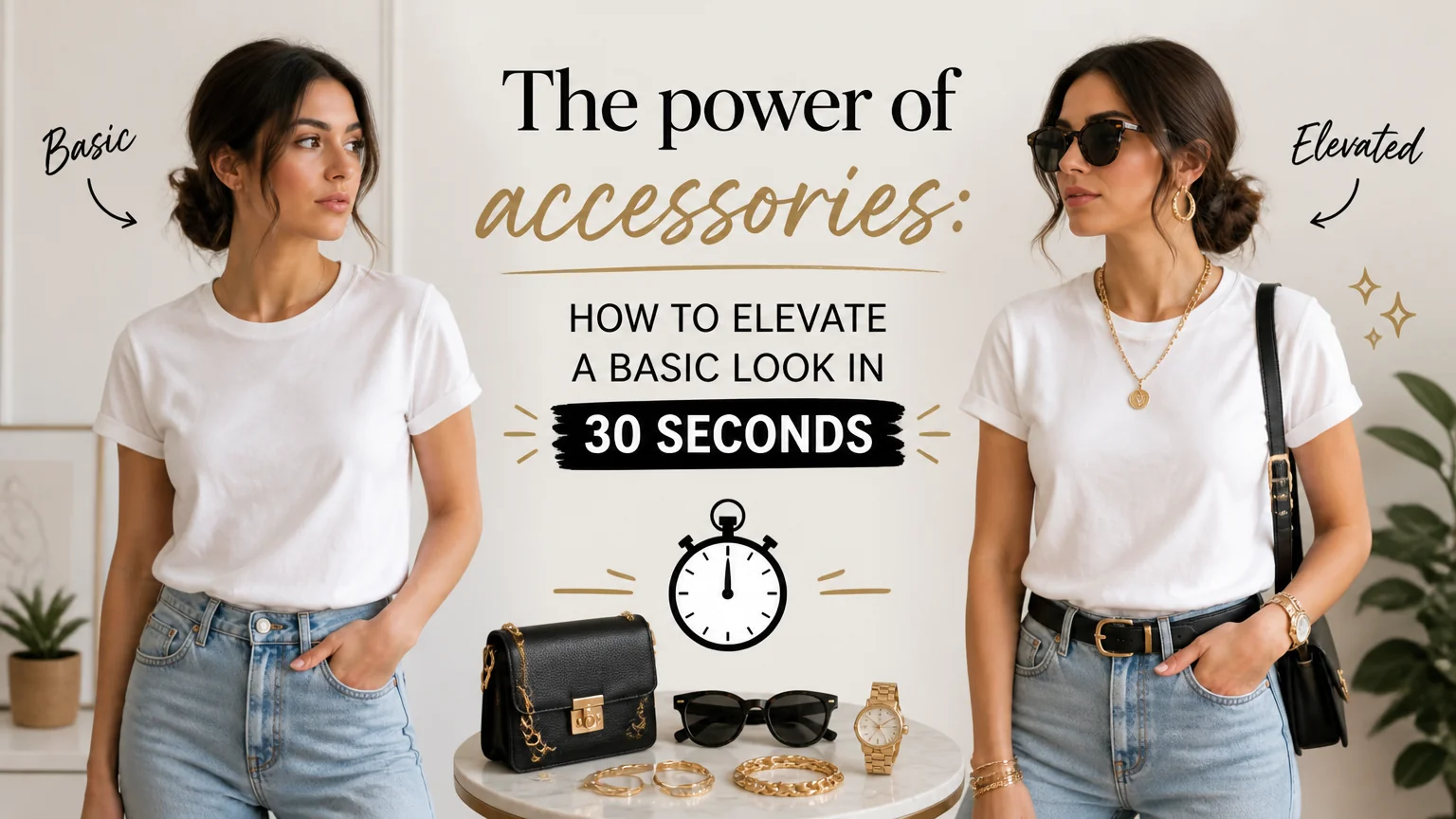
For Onlinecourses55
|
2026-02-08
For Onlinecourses55
|
2026-02-08
![¿what exactly is an image coach? [and why it's not the same as a stylist] - professional personal image coach](/images/postDuplicados/onlinecourses55-what-exactly-is-an-image-coach-and-why-its-not-the-same-as-a-stylist.webp "¿what exactly is an image coach? [and why it's not the same as a stylist] - professional personal image coach")
¿what exactly is an image coach? [and why it's not the same as a stylist] - professional personal image coach
Harness the power of intentional image building with a comprehensive approach to aligning your appearance with your core values to create lasting connections.
Personal image is not just about clothes or trends; it is the way you communicate who you are, what value you bring, and how you want to be remembered. It is a system composed of your attire, nonverbal communication, digital presence, habits, and the consistency between what you say and what you do. When worked on intentionally, it becomes a strategic lever: it helps you build trust, accelerate opportunities, and feel in control of your narrative. That is why there is a professional role that integrates all these elements and aligns them with real objectives: someone who supports and trains you so that your presence works in your favor, without costumes or uniforms foreign to your identity.
The starting point is to understand what you want to achieve and how you want to be perceived. A serious process begins with key questions: what sets you apart? what experiences do you want to live or provoke? what contexts do you frequent? what values guide your decisions? From there, a core message is built and translated into visual and behavioral codes: color palettes that reinforce traits of your personal brand, silhouettes that support your communicative purpose, and behavior guidelines that uphold your credibility. The goal is not to create a character, but to refine an authentic and functional version of yourself that is readable and consistent.
Beyond the closet, the analysis covers body language, tone of voice, digital hygiene, social media bio, professional photography, cultural contexts, and industry protocols. What elements add and which subtract relative to the desired message are evaluated. Habits are also reviewed: impulsive buying, unworn garments, lack of maintenance, or repetitive combinations that impoverish your expression. The result is a map of gaps and opportunities, with clear priorities. This avoids cosmetic changes disconnected from your goals and builds cross-cutting coherence, from the headshot to the meeting, from the stage to the day to day.
With the assessment in hand, a practical roadmap is defined: wardrobe capsules geared to specific roles, a list of adjustments (tailoring, footwear, grooming), nonverbal communication training, smart decluttering of your closet, and shopping guides with quality, ethics, and budget criteria. The support includes feedback, progress measurement, and adjustments according to events, seasons, or professional changes. Autonomy is prioritized: learning to decide for yourself, read environmental codes, and maintain intention over the long term, without depending forever on the professional.
Both can collaborate and complement each other, but they operate on different planes.
The coaching process is introspective and strategic; the styling process is operational and visual.
Coaching support seeks sustainable changes aligned with measurable goals: clearer presence, less friction when dressing, communicative confidence. Styling delivers immediate impact: flawless appearances, successful sessions, polished aesthetics. In many projects, it is wise to work with both: strategy to set direction and styling to materialize it with precision.
Identifying ranges that brighten your face, balance contrasts, and convey the right emotional tone is key. Skin undertones, color intensity, and temperature are analyzed. In silhouette, lines are sought that harmonize proportions and support the message: authority, approachability, creativity, or sobriety. It is not about rigid rules, but about conscious criteria to choose with intention.
Your closet is categorized, streamlined, and reorganized. Redundancies, strategic gaps, and anchor pieces are detected. Capsules are built by roles: hybrid work, presentations, travel, networking, leisure. The goal is to reduce noise and increase versatility. In addition, maintenance, repair, and responsible purchasing practices are incorporated to extend the life cycle of your garments.
Your profile photo, bios, typefaces, colors, and the consistency between what you post and how you dress matter. Your visual identity is aligned with your professional narrative: from the palette in presentations to the dress code of your live streams or talks. Image is no longer only analog: your feed speaks even when you are not there.
Gestures, posture, eye contact, use of space, and camera handling are trained. Protocols are also updated: dress codes by industry, multicultural events, sustainability, and diversity. Modern etiquette is not rigidity: it is respect for the context and for yourself, applied with judgment.
Depending on your current need, one of the profiles may be more appropriate, or both in sequence.
Beyond the aesthetics of their portfolio, assess whether they understand your context and can measure progress. Look for signs of method and ethics, not just good taste. A clear process prevents impulse purchases and fleeting results.
With consistency, three months are enough to notice tangible changes: less friction in getting dressed, greater presence in meetings, and a closet that works for you. The key is conscious repetition until decisions become habit. Measuring keeps you on course and celebrates intermediate progress.
If you want to start today, prioritize intention over volume. You do not need a new closet; you need criteria and a simple plan. These exercises will give you immediate traction while you evaluate whether you need professional support.
Working on your image is neither a luxury nor a mask: it is intentionally designing how your presence supports your goals. With a clear strategy and practical decisions, your style stops being a daily puzzle and becomes a tool that drives what truly matters.