For Onlinecourses55
|
2026-02-08
For Onlinecourses55
|
2026-02-08

Loss aversion: how to use the fear of loss to increase sales - psychology marketing
Understanding loss aversion can significantly enhance your persuasive strategies; explore how to frame value by taking a course on consumer behavior insights that fosters quicker decision-making.
Loss aversion is a psychological tendency: it hurts us more to lose something than it pleases us to gain it. In marketing and sales, this means a customer acts more quickly if they perceive they might lose a concrete advantage, a limited opportunity, or a benefit they already feel is theirs. We’re not talking about scaring people for the sake of it, but about framing value so the person clearly sees what’s at stake if they don’t decide. When the risk of “missing out” is clear, attention increases, indecision decreases, and action accelerates. The secret is to do it honestly, concretely, and measurably.
Loss aversion works best when the user is close to deciding or has already invested time. That’s why it’s especially effective on product pages, carts, commercial proposals, and post-demo follow-ups. In early stages it can capture interest if the promise of losing something is relevant (for example, a limited spot in a hands-on workshop), but the biggest impact comes from reducing the cost of inaction just before closing.
The tactic works if it’s true, specific, and verifiable. Invented scarcity or countdowns that reset ruin trust and, in the long run, destroy conversions. Frame real, quantifiable losses, and link each message to clear data: exact date, verifiable quotas, new price announced in advance.
Words guide attention. Instead of describing what someone gains, describe what they lose by not acting and how much it will cost them later. That cognitive friction pushes toward deciding. Some useful formulas:
Problem: frame the cost of the status quo. Agitation: quantify what is lost each week. Loss: show which advantage disappears if you wait. Solution: offer the minimum step to retain the benefit. Example: “Each week without automating you lose 6 hours to manual tasks. On March 1 the installation bonus is removed. Activate today and keep the free setup.”
Visual design should support the message without resorting to tricks. Subtle, consistent, and verifiable cues work better than flashy elements. Use indicators that explain why the scarcity exists and make the decision easier.
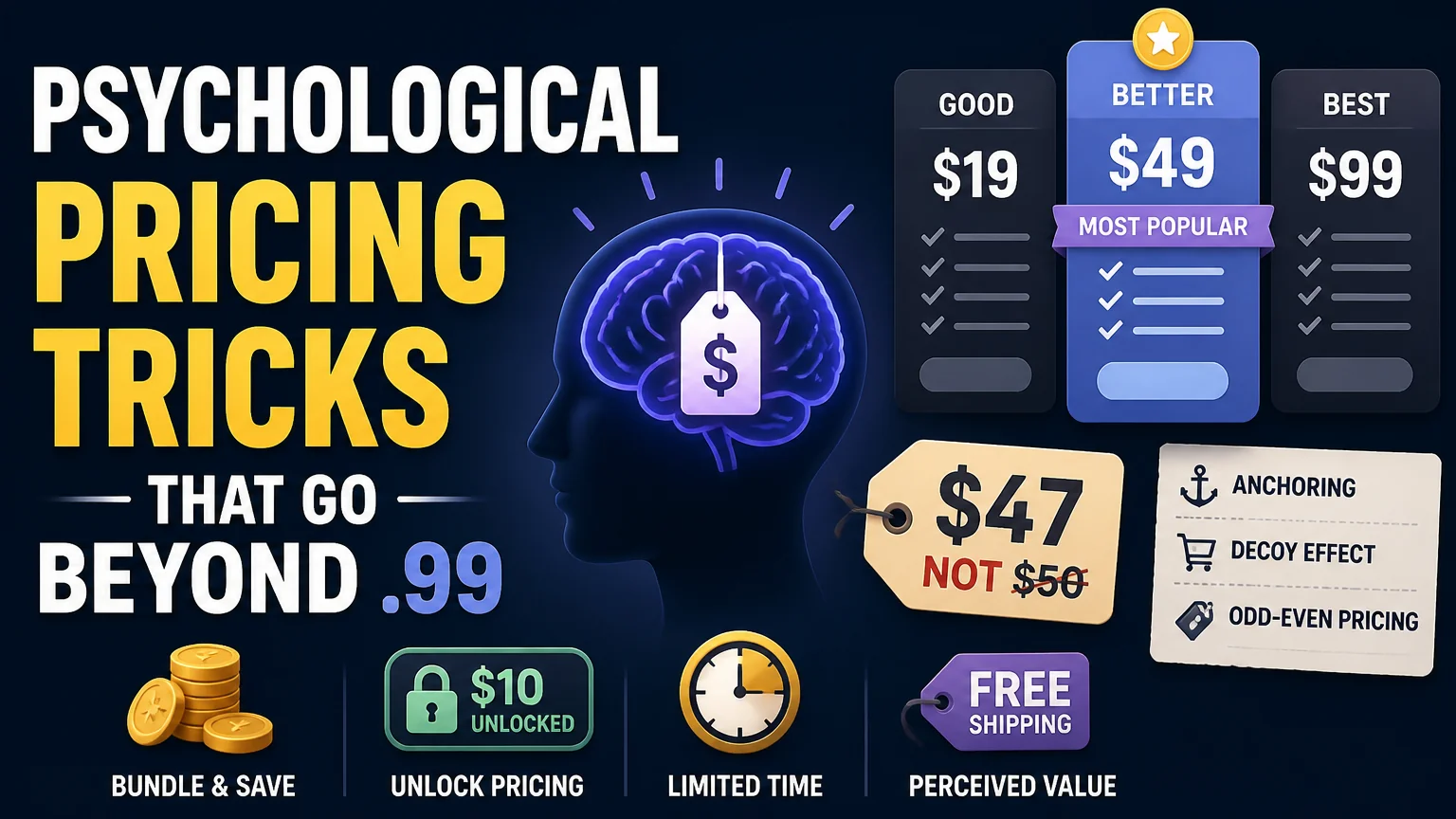
Pricing structures can anchor the perception of loss. Communicate the value that disappears, not just the discount that appears. A temporary upgrade with benefits that expire pushes upgrades before advantages are lost. Similarly, increases announced clearly convert the undecided without needing big discounts.
Well-applied loss aversion improves conversion without increasing returns or complaints. Measure not only the click but the medium-term health of the business. Test one change at a time, with time windows equal to your purchase cycles.
Not everything goes. The fear of losing is powerful and, if misused, erodes trust. Communicate limitations that actually exist, explain their reason, and offer safe exits (trials, guarantees, support). If a user discovers that “there’s always a last day,” they will tune out your messages. Honest urgency sells today and tomorrow; false urgency only sells once.
Applied rigorously, loss aversion converts better because it helps people decide. It doesn’t add noise; it removes doubts by clearly showing what’s at stake. Design your offer so the value is evident and the opportunity tangible. When the customer feels they are going to lose something they value, they take the step. And if everything is truthful and useful, they return and recommend.