For Onlinecourses55
|
2026-01-21
For Onlinecourses55
|
2026-01-21

The anchoring effect: how to present prices so they appear cheap - psychology marketing
By mastering pricing strategies outlined here, you could benefit greatly from a specialized course designed to teach effective marketing techniques that leverage consumer behavior.
Presenting a price is not just a number. The way information is arranged, what is shown first and what is hidden, deeply influences the perception of value. A key technique to make an offer seem more affordable is to use a prior reference point that guides subsequent evaluation. From that point, the mind compares and judges. If that initial anchor is well chosen, the result is that the target price looks cheaper without actually changing the economic value.
The human mind evaluates relative quantities better than absolute ones. When a prominent number appears at the outset, it acts as a reference. From there, everything that follows is interpreted in relation to that first number. This comparison is fast, automatic and happens even when we know the first number may not be the best metric. That is why a high reference price, a visible “premium” option or a historical figure create context and shape the feeling of expensive or cheap.
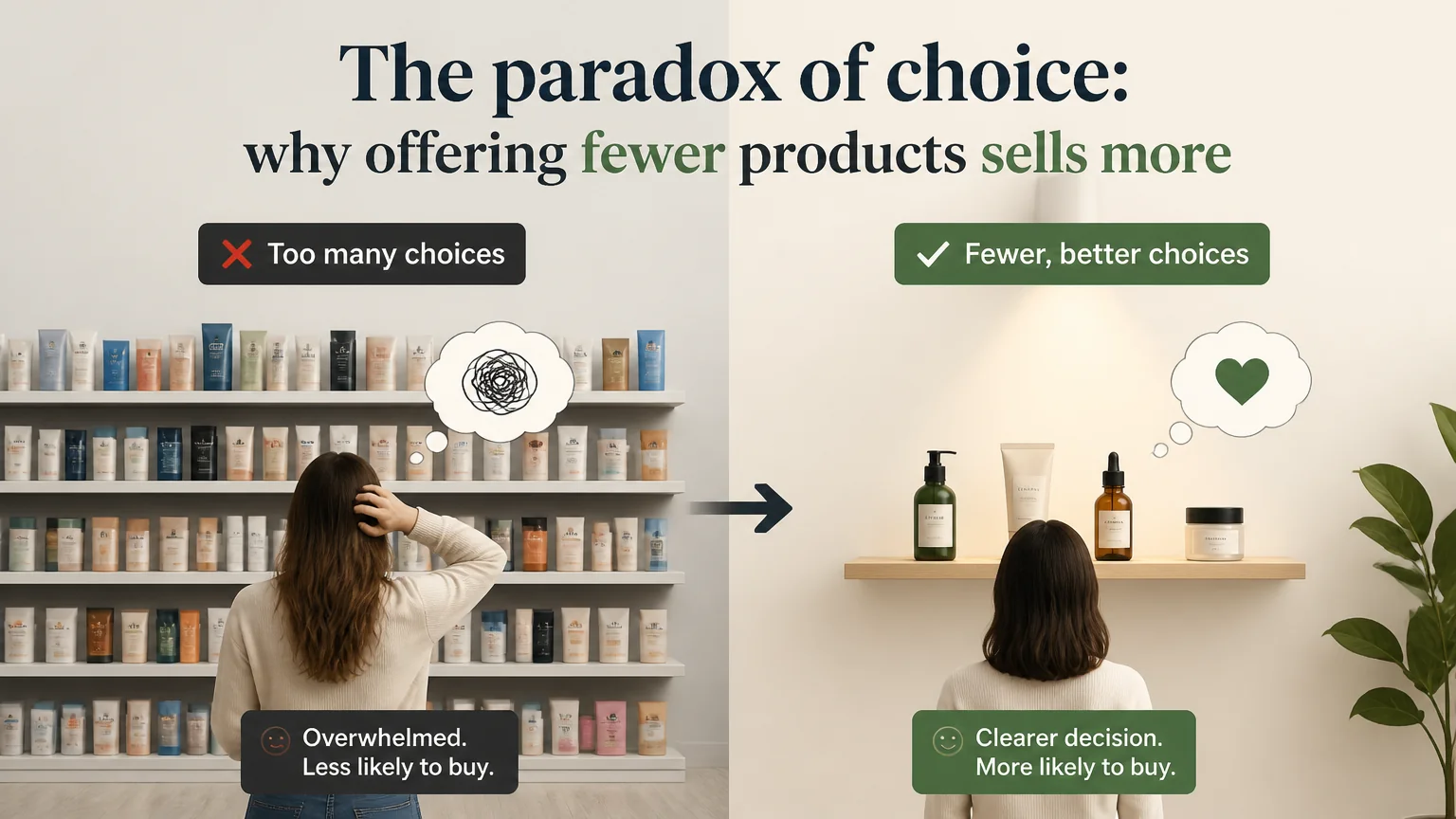
Offering three levels (basic, intermediate and advanced) works well. If the advanced one is clearly more expensive and has additional benefits, the intermediate appears to be a balanced bargain. The basic serves to anchor downward, but the “decoy” is often the expensive plan, which makes the middle one look reasonable.
Showing a previous or market price creates a comparison frame. Even if strikethroughs are not used, placing “Before: X / Now: Y” establishes that the perceived value is greater than the current price.
The same price can seem better if it includes extras. The mind adds benefits more easily than it subtracts costs. Including extended support, free shipping or premium access raises perceived value without touching the price.
Dividing the cost into small units makes acceptance easier. A service of 300 per year can be perceived as 0.82 per day. The small numerator reduces friction, provided the total commitment is made clear.
Including an option similar to the intermediate but with a worse value/price ratio pushes people to choose the desired one. The decoy works as a contrast, making the target seem optimized.
What appears first carries more weight. Showing the reference price or the premium plan first sets the frame. Using round numbers in the anchor and figures with decimals in the offer can emphasize precision and savings.
Presenting “Pro Plan” at 49 with a full list of benefits and then “Standard Plan” at 29 makes 29 seem reasonable. Adding “Industry average: 59” reinforces the perception.
A 3-pack at 24 versus a single unit at 9 positions the pack as cheaper per unit. Showing “Unit: 9 / Pack: 8 per unit” guides the decision.
Flexible fare with changes included at 180 alongside a basic fare at 129 makes the basic seem cheap, especially if the anchor includes visible advantages.
Tasting menu at 60 alongside individual dishes priced 18–22 anchors the perception. The diner evaluates that the menu offers more for the whole.
There is no single formula. What works in one category may fail in another. The key is to test, measure and adjust. A/B tests with variants of order, anchors and bundles allow quantifying the impact.
Define concrete hypotheses, run tests with sufficient sample size and avoid changing multiple variables at once. Document learnings to create internal guidelines.
The technique should be used to clarify value, not to confuse. Be transparent with prices, taxes and conditions. Avoid practices such as hidden fees, pseudo-discounts or unsupported comparisons. A perception of manipulation reduces trust and increases support and return costs.
On websites and apps, the order of price cards, microcopy and comparators influences immediately. In physical stores, signage and shelf arrangement play the same role. In both cases, the first point of contact should introduce the reference and maintain consistency throughout the journey.
Making a price seem low is not about tricks, but about context. A solid reference, well-structured options, visible benefits and continuous testing multiply the perception of value. With a credible anchor and clear design, the target price is interpreted as reasonable, even attractive, without sacrificing margin. The key is to combine psychology, data and ethics: a sustainable strategy that converts today and builds trust for tomorrow.
Search
Popular searches