Psychological pricing tricks that go beyond .99 - psychology marketing

onlinecourses55.com

ForOnlinecourses55

2026-08-22
Psychological pricing tricks that go beyond .99 - psychology marketing


Psychological pricing tricks that go beyond .99 - psychology marketing

Why .99 Is No Longer Enough

For years, ending prices in .99 was an almost universal tactic because it leverages the left-digit effect: the brain perceives 19.99 as closer to 19 than to 20. However, today’s consumer is better informed, compares more, and spots marketing patterns easily. That makes the strategy less differentiating and, in some sectors, even generates distrust or a “feels like a trick” impression. The good news is that price psychology offers many more levers to increase perceived value, improve conversion, and protect margin.

The key is not to manipulate, but to reduce cognitive friction, align price with positioning, and present value clearly. Below are actionable approaches that go beyond a simple decimal ending.

Endings and Digit Adjustments That Do Work

Not all endings serve the same purpose. Changing the end of the price communicates intent: precision, sale, trust, or luxury.

  • .95: perceived as a “friendly sale,” less aggressive than .99; useful in everyday retail.
  • .97: connotes clearance or limited stock; good for turnover, not for premium brands.
  • .90: easy to remember and tidy; works in menus, service lists, and hourly rates.
  • .00: communicates solidity, transparency, and quality; appropriate for premium brands or consulting.
  • “Nice” numbers (for example, 24 or 48) make recall easier and favor packs or subscriptions.

When to Prefer Exact Prices

Round prices (.00) or precise ones (for example, 1,247 instead of 1,250) can increase credibility when justified by a cost structure or a technical proposition. In technical products, B2B, and professional services, precision conveys calculation and customization.

Odd vs. Even Numbers

Odd numbers are associated with dynamism and opportunity; even numbers are associated with stability and elegance. Choose according to your positioning: promotional campaigns with odds, premium lines with evens.

Smart Anchoring and the Decoy Effect

Anchoring consists of showing a reference price that contextualizes the current one. It is not a “trick,” it’s helping the user interpret the value.

  • Showing the most complete option first raises willingness to pay for the lower ones.
  • Introducing a decoy plan (similar to the target plan but clearly less attractive) guides choice toward the option you want.
  • Comparing against the “cost of not acting” (time, mistakes, missed opportunities) reinforces the emotional anchor.

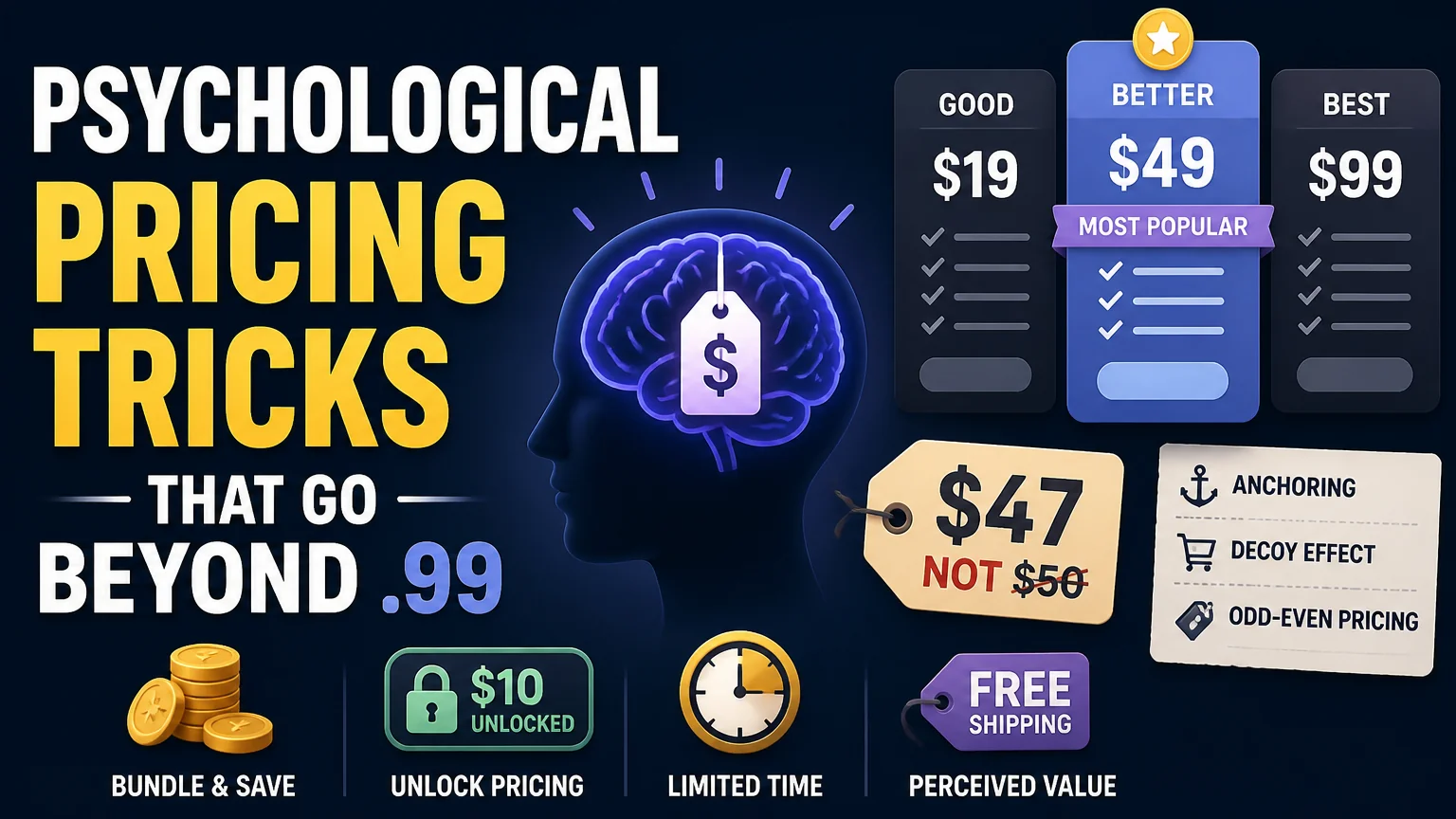
Common example: three plans. Basic, Standard, and Pro. The Standard is highlighted as “best value” and is placed between a limited Basic and an expensive Pro, exploiting the human tendency to choose the middle option.

How to Frame Price to Improve Its Perception

The same number can seem expensive or cheap depending on the frame of comparison. Changing the framing alters valuation without touching cost.

Itemized vs. All-Inclusive

For products with multiple benefits, emphasize the total value and “throw in” extras in a simple package. For services sensitive to spending, break down costs by stages to reduce initial friction and increase staged commitment.

Price per Unit or Period

Converting an annual amount to a daily cost (“less than a coffee a day”) facilitates acceptance. Pricing per unit of use (per session, per kilometer, per GB) also works, provided the calculation is honest and aligns with actual usage.

Packages, Tiers, and Versions

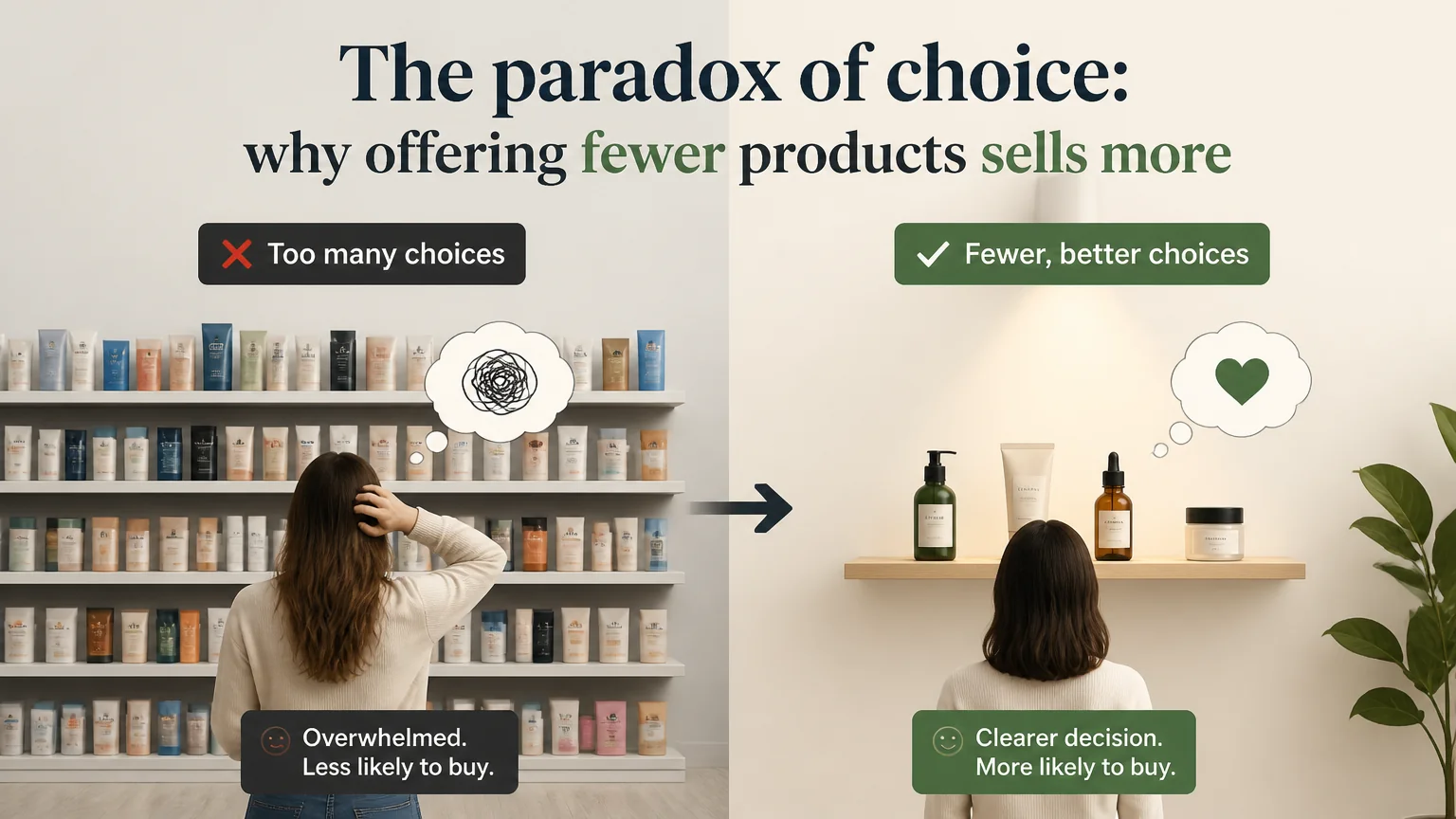
Portfolio architecture influences as much as the final number. Less is more: three clear options usually outperform six confusing ones.

  • Visible tiering: each price jump should unlock perceptible benefits, not technical nuances.
  • Curated packages: bundle popular features with a narrative (“everything you need to get started”) that simplifies the decision.
  • Versioning by segment: create price “fences” that direct students, businesses, or heavy users to the appropriate plan without cannibalizing.
  • Bundles vs. add-ons: offer the default bundle that is most convenient and add-ons for specific needs.

Visual Presentation and Microcopy That Influence

How the price looks and is read changes its psychological weight.

  • Typography size: slightly smaller figures are perceived as lower without losing legibility.
  • Remove superfluous decimals: if they don't add value, omit them to reduce visual complexity.
  • Separators: avoid intrusive separators; compact numbers seem lower.
  • Currency symbol: if it distracts, make it discreet; if it builds trust (for example, in B2B), keep it clear.
  • Proximity to benefit: place the price next to the value proposition or relevant social proof.
  • Language: replace “cost” with “investment” only when it is backed by results. Reinforcing guarantees and policies reduces perceived risk.

Psychology of Precision and Trust

Precise prices (for example, 3,847) are perceived as calculated, not arbitrary. Useful when the audience is analytical or the ticket is high. In contrast, round prices favor hedonic or impulse purchases. Alternate depending on product type and funnel stage.

Transparency also sells: explaining briefly what the price includes, how it's updated, and when it rises reduces objections and returns.

Timing, Context, and Genuine Scarcity

Pricing decisions do not happen in a vacuum. The timing of the offer, the season, and the competitive context shape perception.

  • Clear time windows: offers with real start and end dates, not “perpetual” ones.
  • Verifiable scarcity: limited units, slots, or justified delivery times, not artificial ones.
  • Sync with intention peaks: align campaigns with customer calendars (fiscal closings, moves, school enrollment, etc.).

Discounts That Don't Cannibalize Value

Poorly designed discounts train the customer to wait for the markdown. Rather than lowering the nominal price, change the frame of the benefit.

  • Non-monetary bonus: add service, extended support, or an exclusive extra instead of cutting the rate.
  • Behavior-based discount: for annual payment, referrals, or early payment; reward actions that improve your economics.
  • Signals of fairness: avoid “surprise discounts” that upset recent customers; apply credits or compensatory upgrades.

A/B Testing and Metrics That Matter

There is no single winning rule. Empirical validation avoids biases.

  • Core metrics: conversion rate, revenue per visitor, gross margin, LTV, and refund rate.
  • Heterogeneity: what works on branded traffic may fail on cold traffic; segment tests.
  • Effect size: small changes in presentation (decimals, order, format) can yield notable results; validate by cohort.
  • Persistence: check whether the effect is durable or erodes due to user “fatigue.”

Common Mistakes and How to Avoid Them

  • Copying endings without considering brand positioning.
  • Too many options causing decision paralysis.
  • Frequent discounts that train customers to postpone purchases.
  • Inconsistency between visual tone and price (luxury with “cheap” typography, for example).
  • Hiding unavoidable costs until checkout, causing abandonment.
  • Not explaining the why behind the price in professional services.

Actionable Checklist

  • Define the objective: quick conversion, margin, positioning, or retention.
  • Choose an ending coherent with your category (.00 for premium, .95 for retail, .97 for clearance).
  • Design three plans with visible differences and a clear “best value.”
  • Apply anchoring: show the full option first and the real savings of the recommended plan.
  • Reframe the amount to unit/period if it reduces friction without misleading.
  • Optimize presentation: typography, decimals, currency symbol, and proximity to benefits.
  • Define price fences for segments and avoid cannibalization.
  • Use bonuses instead of markdowns when you want to protect value.
  • Implement A/B tests by channel and measure impact on LTV, not just immediate conversion.
  • Communicate guarantees, policies, and the “why” behind the price to increase trust.

Practical Conclusion

Price psychology is a system, not a decimal ending. Adjusting digits, using anchors and decoys, framing cost per unit, designing clear packages, and tending to visual presentation create a combined effect greater than any isolated “trick.” The essential thing is coherence: every pricing decision must reflect the brand promise and make it easy for the customer to feel like they are making a smart choice. With constant testing and metrics focused on lifetime value, you can get out of the .99 autopilot and build a pricing strategy that converts today without mortgaging tomorrow's trust.


Become an expert in Psychology marketing!

Master the consumer's mind with the Applied Marketing Psychology & Neuro-Sales course. Includes 19 topics and 32 hours of study — available for 12$

EXPLORE THE COURSE NOW

Recent Posts