For Onlinecourses55
|
2026-01-21
For Onlinecourses55
|
2026-01-21

What is the psychology of marketing and why is it key to selling - psychology marketing
If you want to integrate psychological insights into your marketing approach, an extensive course on applying human behavior in marketing is an excellent opportunity.
Psychology applied to marketing is the bridge between how people think, feel, and decide, and how a brand communicates, designs, and sells. Understanding it allows you to create messages that resonate, reduce frictions in the purchase process, and increase trust—three fundamental levers to improve conversions without relying solely on discounts or advertising spend. Far from being manipulation, its real value lies in aligning the value proposition with universal human motivations and in offering clarity so the customer feels confident when choosing.
It is the deliberate use of psychological principles to influence perceptions, emotions, and purchasing behavior. It covers everything from copywriting and experience design to pricing, logistics, and after-sales service. It is not an isolated tactic: it runs through the entire customer journey, from the first brand impression to recommendation. Its power lies in understanding which heuristics the brain uses to decide quickly: we seek shortcuts of trust, minimize cognitive effort, and avoid risk. When marketing aligns with these shortcuts, decisions become fluid and perceived value rises.
When integrated into strategy, every touchpoint pushes in the same direction, resulting in higher conversion rates and higher average order values.
When we receive something valuable (content, trials, support), we tend to reciprocate. A useful lead magnet or an extensive product trial plants gratitude, which facilitates the next step without forcing it.
People look to others to decide. Reviews, success cases, adoption figures, and user-generated content remove uncertainty. The key is relevance: testimonials from profiles similar to the buyer persona.
External validations and credentials convey trust. Certifications, awards, or associated experts serve as shortcuts to reduce perceived risk, especially in complex purchases.
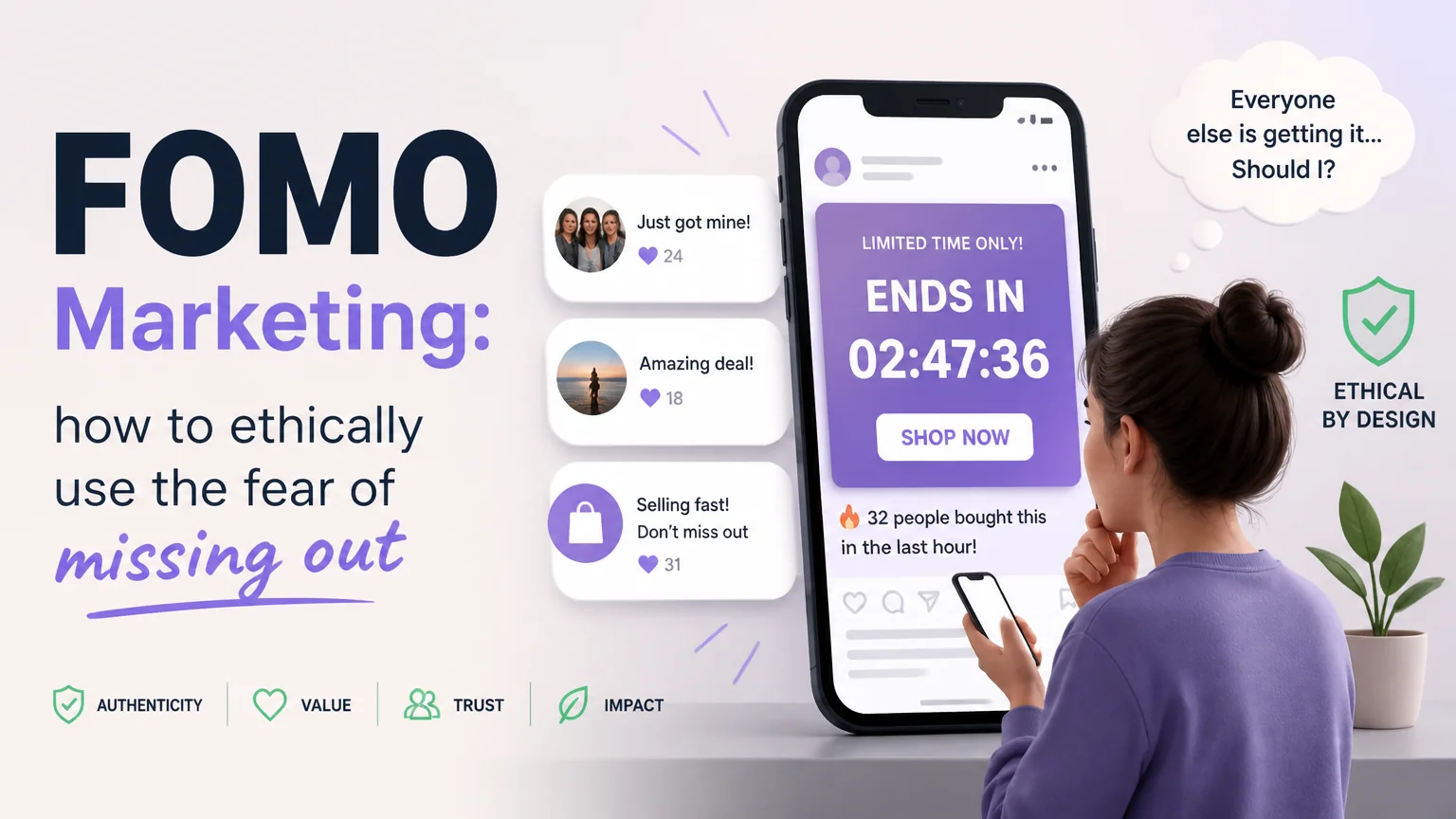
The possibility of losing something drives action. Limited spots, real stock, honest deadlines, and transparent pricing windows work—always truthfully and without deceptive pressure.
Losing weighs more than winning. In messaging, framing what is at stake for not acting (time, opportunities) can be more persuasive than merely listing benefits.
The first number seen influences how the rest is perceived. Presenting the full option first and then alternatives allows the brain to compare with context rather than in a vacuum.
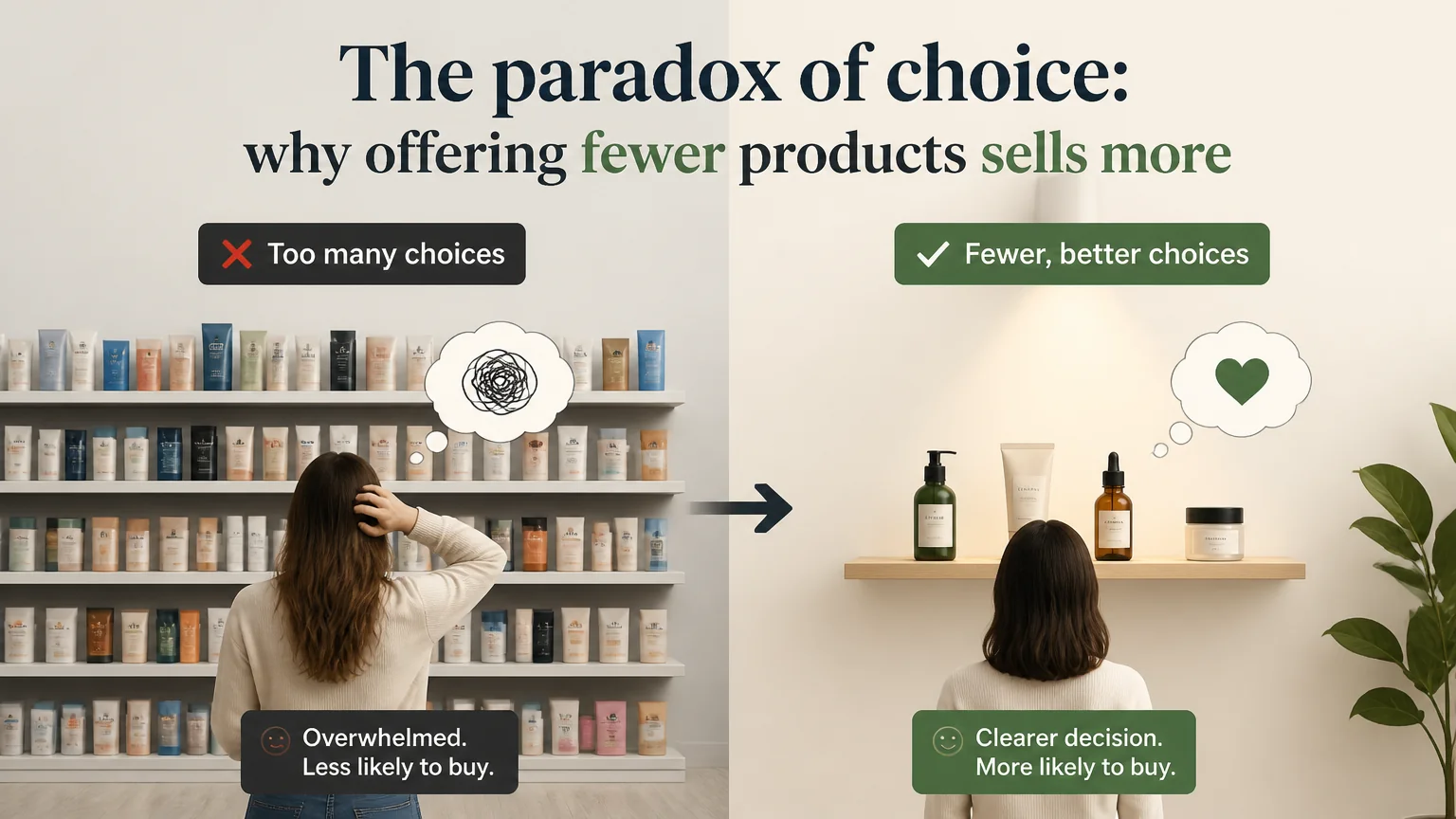
What is easy to understand seems truer and more valuable. Clear language, a clean visual hierarchy, and simple processes reduce mental load and improve conversions.
Once someone takes a small step, they are more likely to move forward. Short forms, micro-conversions, and visible progress sustain momentum.
Posing a relevant question or a specific promise creates cognitive tension that pushes people to keep reading or trying. It should be resolved by delivering real value, not empty clicks.
Clear headlines, simple visuals, and messages that connect with a specific pain point, supported by early social proof. Here cognitive fluency and the correct framing of the problem prevail.
Honest comparisons, demos, ROI calculators, and use cases reduce uncertainty. Activating authority and reciprocity with useful content strengthens trust.
Frictionless checkout, explicit guarantees, stock or deadline reminders, and an anchored pricing structure. Removing unnecessary fields and displaying security badges has an immediate effect.
Recognition programs, personalized communication, and feedback loops that make the customer feel heard. Post-sale consistency consolidates the relationship and multiplies referrals.
Evidence guides decisions: small hypotheses, quick tests, and continuous learning. What works in one market may not replicate in another; measuring is mandatory.
Trust is a compound asset: it is costly to build and can be lost in seconds. Well-applied psychology seeks informed decisions, not toxic shortcuts.
Measuring is not just quantifying; it is interpreting. Combining numbers with qualitative insights shows which psychological principle is failing and where to intervene.
Responsible personalization, AI applied to intent analysis, and continuous experimentation are redefining the practice. However, the fundamentals don't change: clarity, relevance, trust, and risk reduction. Those who master human principles and combine them with data will gain efficiency in acquisition and retention.
Integrating psychology into marketing is not about adding tricks; it is about designing experiences that respect how the mind decides. Start by understanding your audience, remove frictions, validate with experiments, and communicate real benefits with social evidence. The result is twofold: better conversion rates today and stronger relationships tomorrow. That combination is the foundation of sustainable growth.
Search
Popular searches