For Onlinecourses55
|
2025-12-02
For Onlinecourses55
|
2025-12-02
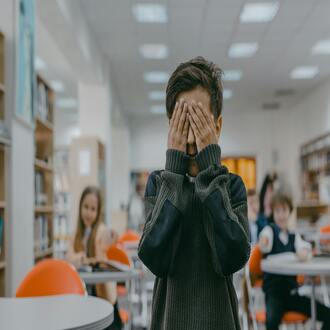
My son is being bullied at school: a guide to detection and support for families - school bullying
Navigating the signs of emotional distress in children can be challenging for parents. Our guide offers valuable insights into recognizing these indicators, and by participating in our course you'll gain knowledge that empowers you to take appropriate action and help your child.
Every parent's worst nightmare is discovering that their child is suffering in the place where they should be learning and playing. Bullying at school is a traumatic experience that is often endured in silence. Children rarely come home and say "Mom, they're bullying me." They hide it out of shame, fear of retaliation, or because they think it's their fault. As parents, we must become emotional detectives.
This guide, part of the Family and School module of our course, teaches you how to read the invisible signs and to act firmly but calmly.
If your child doesn't talk, their behavior does. Pay attention to these sudden changes:
If you suspect something, look for a calm moment (not an interrogation right after leaving school). Use open-ended questions: "How was recess today?", "Who did you sit with?", "What was the best and the worst thing that happened to you today?".
If they confess the bullying to you:
Many parents make the mistake of going to confront the bully or their parents. Never do this. It will only make the situation worse and you could end up being reported. The proper path is through the school.
While the school handles the disciplinary side, you must work on rebuilding your child.
Activities outside school: Enroll them in activities (sports, music, art) where they can meet new people and feel competent. They need an "environment free from bullying" to remember that they are valued and that they can make friends.
Professional therapy: Bullying erodes self-esteem. A child psychologist can give them tools for assertiveness and emotional management so the trauma doesn't mark their adult life.
Your child needs to know they are not alone. With your support and the proper intervention, they will come out of this stronger.
Search
Popular searches