Abuse in old age: the invisible violence against our elders - violence domestic family
Addressing elder abuse is essential for creating a safer environment for our older loved ones, which is why understanding the complexities is crucial. Enhance your awareness and skills by participating in this enlightening course focused on domestic violence prevention, enabling us all to make a difference.
Aging is a natural stage of life that should be synonymous with respect, dignity and well-being. However, a painful reality hides behind many doors: elder abuse. This form of violence, often invisible and silenced, affects millions of older adults worldwide, compromising their physical, mental and emotional health.
What Is Elder Abuse and Why Is It an Urgent Problem?
Elder abuse is defined as any act or omission that causes harm or suffering to an older person. This abuse can take various forms, from physical mistreatment to emotional neglect, including financial exploitation and abandonment. The World Health Organization (WHO) estimates that a significant proportion of older people experience some form of abuse during their lifetime, and the real figure could be much higher due to difficulties in detecting and reporting it.
The increasing proportion of older adults in the world population makes the prevention and treatment of elder abuse an urgent public health issue. Ignoring this problem has devastating consequences for victims and for society as a whole.
Types of Elder Abuse: Beyond Physical Mistreatment
It is crucial to understand that elder abuse is not limited to blows or bruises. The main types of abuse that older adults may suffer are described below:
- Physical Abuse: Includes any act of physical violence, such as hitting, pushing, slapping, burning or physically restraining the older person.
- Psychological or Emotional Abuse: Manifests through insults, threats, humiliation, intimidation, isolation and other forms of verbal or non-verbal mistreatment that cause emotional distress.
- Financial Abuse or Exploitation: Involves the improper or illegal use of an older person’s assets, money or resources. This can include stealing money, forging signatures, forcing someone to sign documents or using a credit card without permission.
- Neglect: Refers to the lack of attention to the basic needs of the older person, such as food, hygiene, clothing, medication or medical care. Neglect can be intentional or unintentional, but in both cases it has serious consequences for the victim’s health and well-being.
- Abandonment: Consists of leaving an older person who needs care alone, without supervision or assistance.
- Sexual Abuse: Involves any type of sexual activity without the older person’s consent.
Warning Signs: How to Identify Abuse in Older People
Detecting elder abuse can be difficult, as victims often feel afraid or ashamed to report it. It is important to be alert to the following warning signs:
- Unexplained injuries: Bruises, cuts, burns or fractures whose explanation does not match what the older person says.
- Behavioral changes: Sudden depression, anxiety, fear, isolation, confusion or social withdrawal.
- Poor hygiene: Neglected appearance, dirty clothing, body odor.
- Unexplained weight loss: Malnutrition or dehydration.
- Financial problems: Overdue payments, unpaid bills, lack of money or missing personal belongings.
- Fear or distress in the presence of a caregiver: The older person appears nervous or fearful when near someone who cares for them.
- Contradictory statements: The older person gives different accounts of how an injury or incident occurred.
Risk Factors: Who Is More Vulnerable to Abuse?
While any older person can be a victim of abuse, some factors increase the risk:
- Advanced age: Very elderly people are more vulnerable due to their greater dependence on others.
- Physical or mental disability: People with dementia, Alzheimer’s, mobility problems or chronic illnesses have more difficulty defending themselves and reporting abuse.
- Social isolation: People who live alone and have few social contacts are more likely to suffer abuse without anyone detecting it.
- Economic dependence: People who depend financially on their caregivers are more vulnerable to financial exploitation.
- History of family violence: People who have experienced violence in the past are at higher risk of being victims of abuse in old age.
Preventing Elder Abuse: A Commitment from Everyone
Preventing elder abuse requires a multifaceted approach that involves families, communities, health professionals and governments. Some key measures include:
- Education and awareness: Informing the public about the different types of abuse, warning signs and available resources.
- Support for caregivers: Providing training, counseling and resources to caregivers to help them manage stress and avoid burnout.
- Promoting active and healthy aging: Encouraging social participation, physical exercise and lifelong learning to keep older adults active and independent.
- Strengthening social networks: Helping older people stay connected with family, friends and the community.
- Legislation and public policies: Implementing laws and policies that protect the rights of older people and punish abusers.
- Encouraging reporting: Creating safe and confidential channels so that victims can report abuse without fear of retaliation.
What to Do If You Suspect or Know of a Case of Abuse
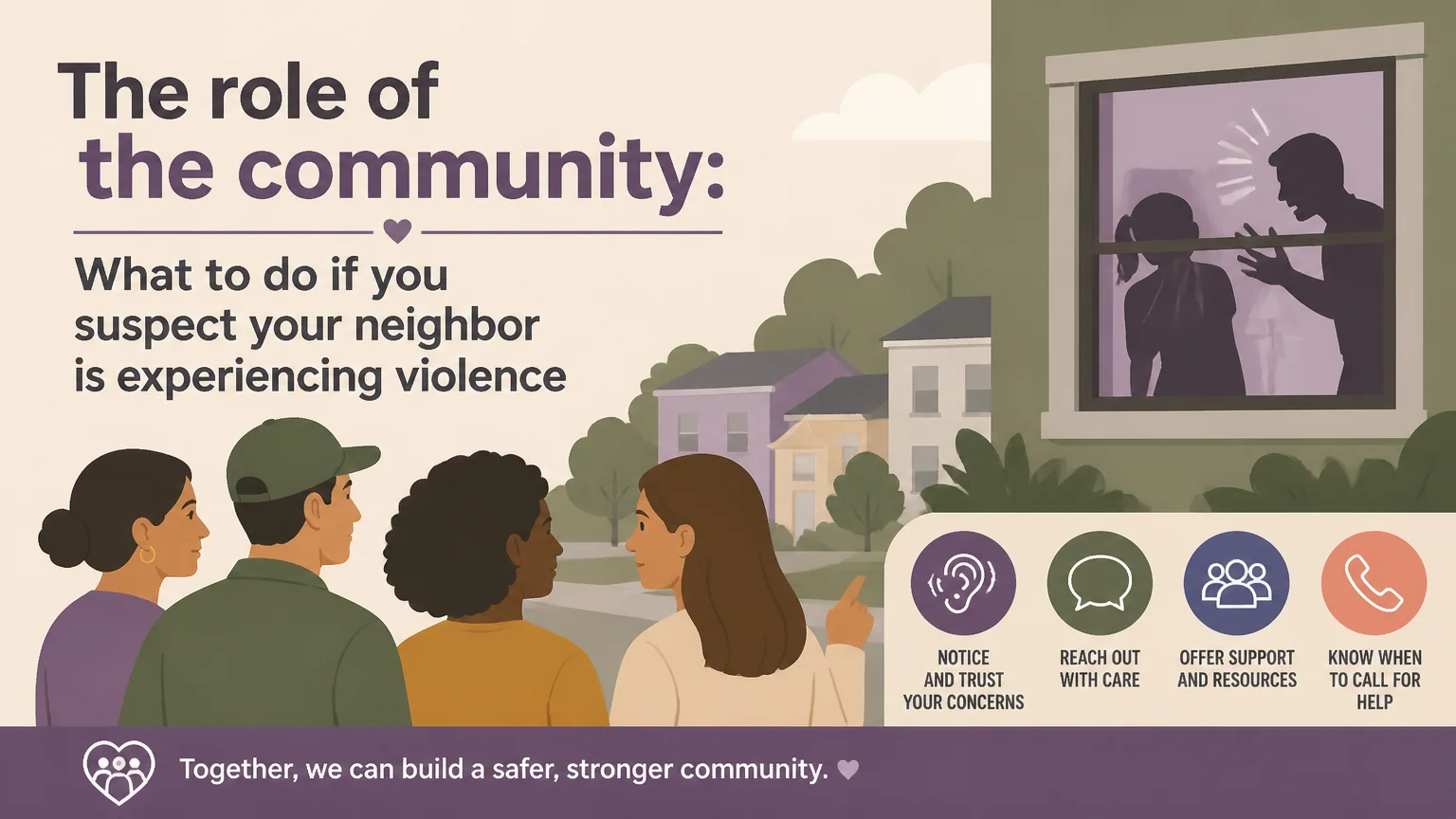
If you suspect that an older person is being abused, it is essential to act. Do not ignore your suspicions. Here are some steps you can follow:
- Talk to the older person: If possible, speak with the older person in private and ask if they are suffering any kind of mistreatment. Listen attentively and with empathy, without judging or pressuring them to speak.
- Document your observations: Take note of any warning signs you observe, such as injuries, behavioral changes or financial problems.
- Seek professional help: Contact a health professional, a social worker or an organization dedicated to protecting older adults.
- Report the abuse: If you have evidence that abuse is occurring, report the case to the competent authorities, such as the police or social services.
Remember: Reporting elder abuse can save a life. Do not remain silent. We all have a responsibility to protect our older adults and ensure they live with dignity and respect.
Resources and Help for Victims of Elder Abuse
If you are an older person suffering abuse, or if you know someone who is, you are not alone. There are many resources available to help you:
- Helplines: Look in your country or region for helplines specialized in serving older adults.
- Organizations for the protection of older adults: There are numerous organizations that offer counseling services, legal support and shelter to victims of abuse.
- Social services: Your community’s social services can help you access resources such as medical care, housing or financial assistance.
- Health professionals: Your primary care physician can refer you to specialists in the treatment of elder abuse.
Do not be afraid to ask for help. Your well-being matters.
Conclusion: A Future Without Abuse for Our Older Adults
Elder abuse is a violation of human rights that we cannot tolerate. By working together to prevent, detect and report abuse, we can build a future in which all older people live with dignity, respect and safety. Let us commit to being part of the solution and to creating a better world for our older adults.
 For Onlinecourses55
|
2026-07-14
For Onlinecourses55
|
2026-07-14