For Onlinecourses55
|
2026-05-30
For Onlinecourses55
|
2026-05-30

The myth of the 'good father': can an abuser be a good parent? - violence domestic family
It's vital to understand the impact of abuse on family dynamics, so consider participating in our training focused on domestic violence implications to broaden your perspective on this critical topic.
The idea that a man can be a "good father" despite being an abuser is a dangerous myth deeply rooted in our society. We often hear phrases like "he's an excellent father, although he has his flaws" or "he loves his children above all, he just sometimes crosses the line." But is it really possible to separate the figure of the father from that of the abuser? Can children grow up healthy and happy in an environment where violence is constant, even if they are not the direct victims?
It is crucial to understand that abuse is not limited to physical violence. Psychological, emotional, and verbal abuse also leave deep scars on victims, and children who grow up in these environments are especially vulnerable. Witnessing domestic violence, even without being the direct target, has devastating consequences for children's emotional and psychological development.
Among the most common consequences are:
These negative effects can persist for years, even into adulthood, affecting the person's quality of life and their ability to form healthy relationships.
One of the biggest problems is the denial of abuse, both by the abuser and by society. Violence is often minimized, justified with excuses ("he was stressed," "it was a momentary lapse"), or the victim is blamed ("she provoked him"). This denial prevents measures from being taken to protect victims and hold the abuser accountable.
In the case of children, denial of the abuse can lead them to feel guilty, ashamed, and alone. They may think they are responsible for the violence they witness, or that they do not deserve to be loved and protected.
Responsible fatherhood involves much more than providing financially, taking children to extracurricular activities, or buying them gifts. A "good father" is one who:
An abuser, by definition, does not meet these requirements. Violence and control are incompatible with healthy, responsible fatherhood.
Even if the abuser does not exert physical violence against his children, emotional manipulation can cause significant harm. Using children as messengers, speaking ill of the mother or father, or putting them in conflict situations are forms of psychological violence that can negatively affect their well-being.
It is essential to recognize that abuse, in any of its forms, is harmful to children and undermines their ability to form healthy relationships and develop a strong sense of self-worth.
Breaking the cycle of violence requires personal commitment and access to appropriate resources. Both the abuser and the victim need professional help to heal emotional wounds and learn to relate in healthy ways.
For the abuser, therapy can help him understand the roots of his violent behavior, develop anger-management skills, and learn to communicate effectively. For the victim, therapy can help heal the trauma, recover self-esteem, and establish healthy boundaries.
It is crucial that children who have witnessed domestic violence also receive psychological support to process their experiences and develop healthy coping mechanisms.
There are numerous support resources available for victims of domestic violence and their children. Some examples include:
You are not alone. Seeking help is an act of courage and the first step to breaking the cycle of violence and building a better future for you and your children.
In conclusion, the myth of the "good father" abuser is a dangerous fallacy that perpetuates violence and endangers children's well-being. A man who exerts violence, whether physical, psychological, or emotional, cannot be a good father. Responsible fatherhood involves creating a safe, stable, and loving environment where children feel valued, respected, and protected.
Prioritizing children's well-being means breaking the cycle of violence, holding abusers accountable, and providing support to victims. It means recognizing that abuse, in any of its forms, is unacceptable and harmful to children's development.
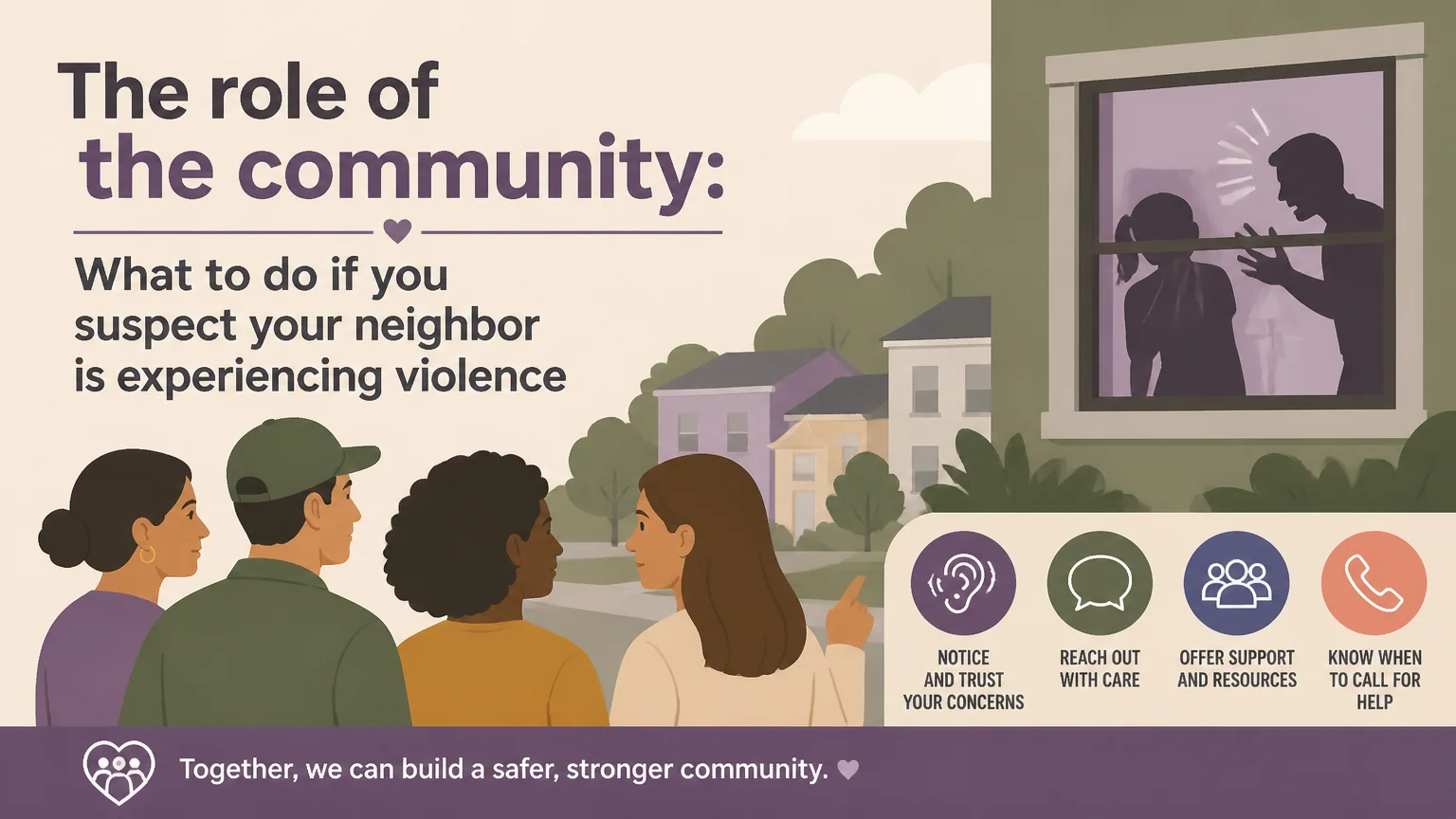
If you know someone who is experiencing domestic violence, encourage them to seek help. Together we can build a society where all children have the opportunity to grow up healthy, happy, and free from violence.
Search
Popular searches