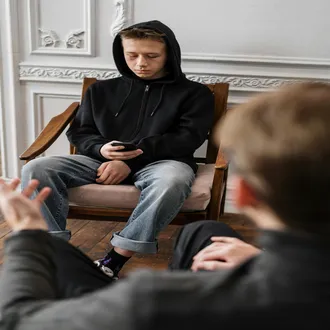
They are not witnesses, they are victims: the impact of violence on the child's brain - violence domestic family
Exposure to violence at home, in the community, or through the media represents a significant trauma to a child's developing brain. Contrary to popular belief, it is not necessary to be physically beaten or directly abused to suffer negative effects.
Simply witnessing acts of violence, such as fights between parents, abuse of a sibling, or even the constant viewing of violent content on television or the Internet, can trigger a cascade of negative consequences.
The Child's Brain Under Attack: Neurological Consequences
A child's brain is in a constant process of development and maturation, which makes it particularly susceptible to the negative effects of violence. Exposure to violence triggers the release of stress hormones, such as cortisol, which, at elevated and prolonged levels, can damage brain structures, especially the hippocampus (responsible for memory and learning) and the amygdala (responsible for processing emotions). This can lead to:
- Learning difficulties: Memory and concentration are affected, impairing academic performance.
- Behavioral problems: Aggression, impulsivity, difficulty controlling emotions.
- Sleep disorders: Nightmares, insomnia, night terrors.
- Anxiety and depression: Feelings of fear, sadness, hopelessness.
- Post-traumatic stress disorder (PTSD): Reliving the traumatic event through flashbacks, nightmares, and intrusive thoughts.
- Attachment problems: Difficulty forming secure and healthy relationships.
Beyond Trauma: Impact on Social and Emotional Development
The impact of violence on a child's brain is not limited to neurological consequences. It also deeply affects the child's social and emotional development. Children exposed to violence may develop:
- Low self-esteem: Feelings of worthlessness, shame, and guilt.
- Difficulty regulating emotions: Exaggerated or inappropriate emotional reactions.
- Problems with empathy: Difficulty understanding and sharing others' feelings.
- Social isolation: Withdrawal and difficulty forming relationships with peers.
- Higher risk of engaging in risky behaviors: Drug and alcohol use, delinquency.
Breaking the Cycle: Support and Recovery Strategies
Fortunately, the child's brain is resilient and can recover from trauma. With appropriate support, children exposed to violence can heal and reach their full potential. Some key strategies include:
- Psychological therapy: Cognitive-behavioral therapy (CBT) and EMDR therapy (Eye Movement Desensitization and Reprocessing) are particularly effective for treating childhood trauma.
- Family support: Creating a safe, stable, and loving home environment is essential. Parents and caregivers should be available to listen, support, and validate the child's feelings.
- School intervention: Teachers and school counselors can identify at-risk children and provide the support they need.
- Violence prevention programs: Implement programs that promote peaceful conflict resolution and the development of social and emotional skills.
- Fostering resilience: Help the child develop healthy coping skills, such as creative expression, sports, and connection with nature.
The Importance of Awareness and Action
It is crucial to raise awareness about the devastating impact of violence on the child's brain and to take measures to protect children. This involves:
- Educate parents and caregivers about the effects of violence on child development.
- Promote public policies that protect children from violence.
- Support organizations that work to prevent violence against children and help victims.
- Break the silence and speak openly about violence against children to create a culture of prevention and support.




![Safety plan [safety plan]: vital steps before leaving your abuser](/images/postDuplicados/onlinecourses55-safety-plan-safety-plan-vital-steps-before-leaving-your-abuser.webp)